TrackingYourChild'sSwimmingLessonProgress
Summary
- Schedule swimming lessons when the child has enough energy for better concentration and enjoyment.
- Set clear goals with the instructor for more motivation and clarity.
- Use a digital tracking system for insight, involvement, and timely adjustments.
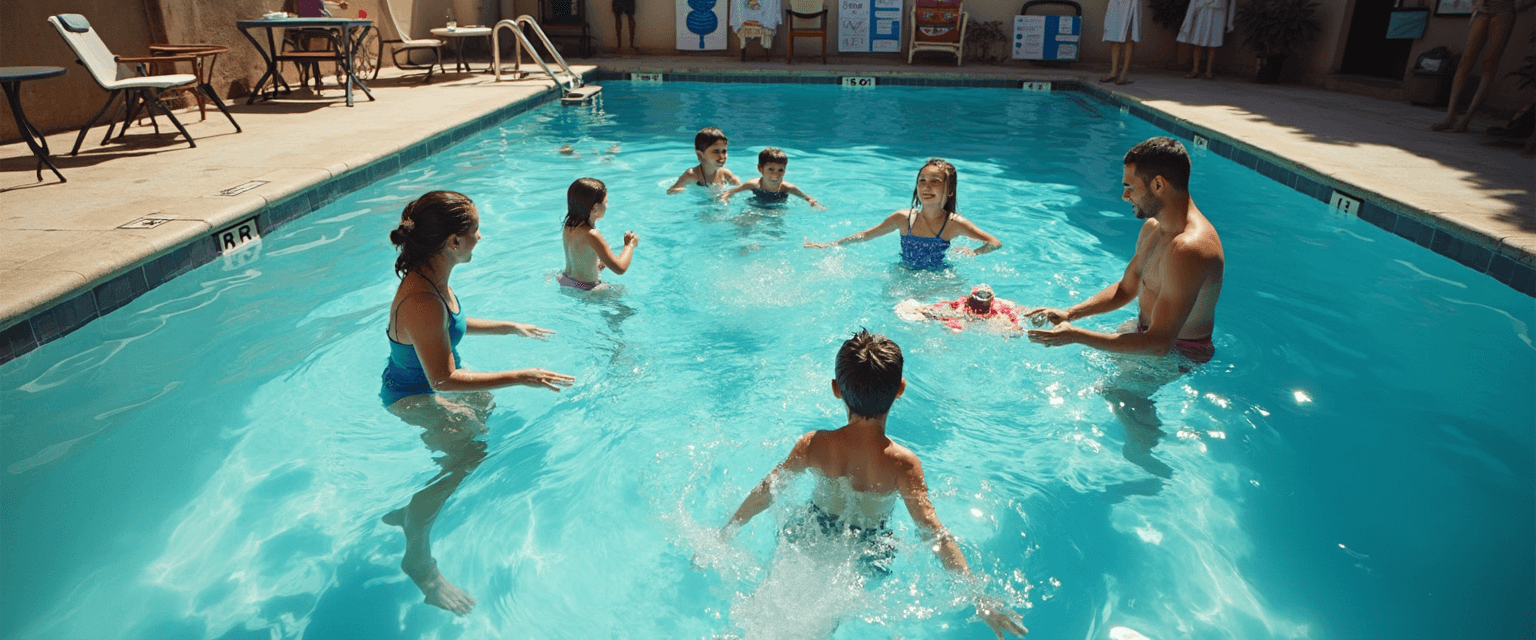
Tracking the swimming lesson progress of children is important for both parents and swimming instructors. A digital tracking system makes it easier to gain insight into the development and motivation of young swimmers. This helps in planning lessons and aligning goals with the child's level.
In this article, we discuss factors that influence motivation during swimming lessons. Additionally, we cover the importance of a fixed swimming lesson schedule and setting clear goals. We also provide practical tips to keep swimming lessons fun and effective.
The information offers a clear overview of how you can monitor and support your child's progress in a structured way.
1. Understanding Motivation Declines
In this chapter, we discuss why children sometimes become less motivated for swimming lessons. We look at factors such as fatigue, busy schedules, and peer pressure. We also explain how these influences can reduce enthusiasm.
Why Children Lose Motivation
Children lose motivation for swimming lessons for various reasons. Sometimes they feel that obtaining a diploma takes a long time, making the goal seem far away. Lessons can also feel intensive and repetitive. This can reduce enjoyment and decrease motivation.
Additionally, feelings of insecurity play a role. If children feel they are falling behind others, this can be discouraging. It is important to recognize these signals and respond accordingly.
Impact of Fatigue and Schedule
Fatigue due to a busy agenda strongly affects motivation. When children are already tired from school or other activities, they have less energy for swimming lessons. This can lead to resistance or less concentration during the lesson.
The timing of the lesson within the daily schedule is also important. Swimming lessons right after an intensive day can be too demanding. Scheduling lessons at a suitable time helps limit fatigue and maintain motivation.
Effect of Peer Pressure and Insecurity
Peer pressure and insecurity can reduce the enjoyment of swimming lessons. In a large group, some children quickly feel watched or compare themselves to others. This can cause tension and undermine self-confidence.
Also, feeling unable to keep up with the group can lead to less interest in the lesson. It is therefore important to pay attention to the social dynamics and, where necessary, offer alternatives that better suit the child.
What is Zwemlesmaatje?
Zwemlesmaatje is an independent app that allows you to track, assess, and celebrate swimming progress — whether you are a parent, adult swimmer, or instructor. You are not dependent on the swimming school but keep control yourself.
For parents, the app offers a clear learning path of 7 levels (from Red to Gold) with 86 exercises. You assess each exercise with a simple scoring system (0 to 6) and receive a personal swimming certificate for each achieved level. This way, you can see at a glance where your child stands and what still needs work.
Adults who want to learn (better) swimming use Zwemlesmaatje discreetly and without group pressure. The app provides structure, breaks the learning process into manageable steps, and helps overcome insecurity. You train at your own pace, whenever it suits you.
Swimming schools and instructors use Zwemlesmaatje completely free as a digital system for student administration, schedules, and progress. Parents see their child's development in real-time — without extra work for you. A handy Marketing Toolbox also helps you create professional flyers, social media posts, and certificates.
Discover now how Zwemlesmaatje supports your swimming journey.
2. Building a Fixed Swimming Lesson Routine
A fixed swimming lesson routine helps children feel safe and familiar. This chapter discusses the benefits of predictability, planning fixed lesson times, and creating rituals around swimming lessons. This makes swimming lessons a stable part of the week.
Benefits of Predictability
Predictability in swimming lessons gives children a sense of security. They know what to expect, which reduces resistance to the lesson. A fixed routine prevents unnecessary stress and makes it easier to concentrate. This contributes to a positive experience during swimming.
Additionally, predictability helps build confidence. Children get used to the rhythm and feel more secure in the water. This can also increase motivation to continue with swimming lessons.
Planning a Routine with Fixed Times
Planning a routine starts with choosing fixed days and times for swimming lessons. This makes it easier to organize other activities around them. By consistently reserving the same moments, swimming becomes a habit in the weekly rhythm. This prevents lessons from being skipped or forgotten.
It is important to consider the child's energy level. Preferably choose a time when the child is not too tired. This way, the child can participate better and enjoy the lesson.
Fixed Rituals Around Lessons
Rituals around swimming lessons strengthen the routine and make the moment special. Think of preparing swimming gear together or a fixed route to the pool. Also, a short chat about the lesson or a small reward afterward can be a nice habit. This helps the child mentally prepare and experience the lesson positively.
Through these fixed habits, swimming lessons become a recognizable and pleasant part of the week. The child feels more involved and motivated to keep swimming.
3. Keeping Swimming Lessons Fun and Motivating
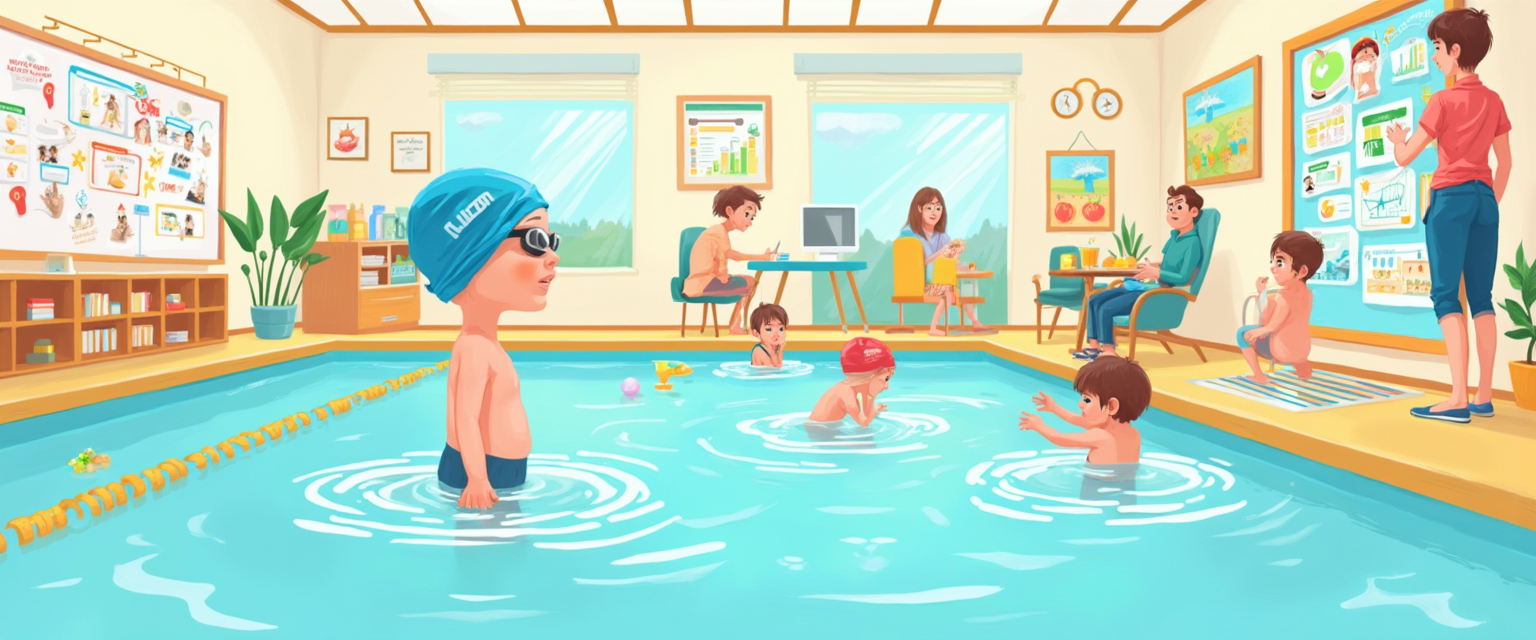
Keeping swimming lessons fun and motivating is important for your child's progress. This can be done by adding playful exercises, swimming together with friends, and using small rewards. This approach helps children stay engaged and enthusiastic during the learning process.Integrating Playful Exercises
Playful exercises make swimming lessons more attractive for children. By adding favorite games or simple challenges, the lesson remains varied and fun.
An example is swimming through hoops or catching a ball in the water. This not only stimulates swimming skills but also the enjoyment during the lesson.
Such a playful approach helps children practice with more enthusiasm and get distracted less quickly. It is important that the exercises match the child's level and interests.
Swimming Together with Friends
Swimming with friends can greatly increase children's motivation. Practicing together creates a pleasant atmosphere and makes it easier to persevere.
Children often feel more confident and comfortable when they are in the water with familiar people. This can also strengthen social skills.
Parents can, for example, arrange for children to go to swimming lessons together or play together after the lesson. This makes the swimming process less lonely and more fun.
Use of Small Rewards
Small rewards encourage children to keep doing their best during swimming lessons. It is mainly about recognizing effort and progress, not just the end result.
A sticker, a compliment, or extra playtime in the water can already be motivating. This strengthens the feeling of success and encourages continuation.
Rewards should be appropriate and fair so that children feel appreciated for their effort. This keeps swimming a positive experience.
4. Setting Goals and Tracking Progress
Setting clear goals helps make your child's swimming lesson progress manageable.
By aligning goals with the instructor, a shared focus on development arises.
Making progress visible strengthens the child's motivation and involvement.
Explaining Short- and Long-Term Goals
Short- and long-term goals make the learning process manageable and clear.
Short goals can be, for example, learning a certain swimming stroke or swimming without aids.
Long-term goals focus on obtaining diplomas or being able to swim independently in open water.
By discussing these goals together with your child, they get a clear picture of what to expect and what they are working towards.
Aligning Goals with Instructors
It is important to align goals with the swimming teacher or instructor.
Instructors have insight into the child's level and possibilities and can propose realistic goals.
Regular feedback ensures that goals can be adjusted if necessary.
This keeps the learning process appropriate and challenging without overloading the child.
Motivation Through Visible Progress
Making progress visible is motivating for children.
This can be done by tracking achieved skills or celebrating small successes.
By showing progress, the child gains a sense of satisfaction and stays motivated to continue.
Parents and instructors can also better follow how the child develops and where extra attention is needed.
5. Dealing with Fatigue and Lesson Types
In this chapter, we discuss how to take fatigue into account during swimming lessons. We also give tips about using light snacks before and after the lesson. Additionally, we look at alternative lesson types that may better suit your child's needs.
Adjusting Lesson Times for Fatigue
It is important to schedule swimming lessons at times when your child has enough energy. Fatigue can reduce concentration and enjoyment during the lesson. Therefore, try not to schedule lessons immediately after a busy day or intensive activity. This prevents your child from being less motivated and helps them learn better.
If you notice your child is often tired during swimming lessons, consult the instructor about a different time. Sometimes a lesson earlier in the day or later in the week may fit better. This helps keep the swimming lesson positive and effective.
Light Snacks Before and After Lessons
A light snack before swimming lessons can improve your child's energy. Choose something small and nutritious, such as a piece of fruit or a whole-grain cracker. Avoid heavy or sugary snacks that can cause an energy dip.
After the lesson, it is also good to eat something so the body can recover. This supports the learning process and helps reduce fatigue. This way, your child stays motivated and fit for the next lesson.
Alternatives: Small Group or Private Lessons
If group lessons are too busy or overwhelming, smaller groups or private lessons can be a good alternative. In these lesson types, your child receives more personal attention and can practice in a calmer environment. This can increase self-confidence and improve motivation.
Many swimming schools in Amsterdam and Amstelveen offer these options. Consider this if you notice your child struggles with standard group lessons. This way, the lesson better fits your child's needs.

Summary
Summary of Improving Swimming Lesson Progress and Motivation with a Digital Tracking System
Fatigue affects concentration and enjoyment during swimming lessons. It is important to schedule lessons at times when the child has enough energy.
Consult with the instructor about a suitable lesson time to increase effectiveness. Light snacks before and after the lesson can also help.
Setting clear short- and long-term goals makes swimming lesson progress manageable. Goals aligned with the instructor strengthen the child's motivation.
Goals such as learning a swimming stroke or obtaining diplomas give the child a clear learning objective and insight into development.
Why a Digital Tracking System Helps
A digital tracking system makes swimming lesson progress transparent for parents, instructors, and children. It provides an overview of goals, attendance, and performance.
Playful exercises and fixed routines keep swimming lessons fun and motivating. This promotes the child's involvement and enthusiasm during the learning process.
Predictability and regularity in swimming lessons create a sense of safety and confidence. This contributes to a positive swimming experience and increases motivation.
A digital tracking system also helps to recognize signs of decreased motivation in time. This allows the swimming lesson schedule to be adjusted to maintain enjoyment and progress.
Dear reader, this blog post was about tracking your child's swimming lesson progress.
We would love to hear if you have experience with following swimming lessons and what your experiences are. Feel free to leave a comment below this article.
You can try Zwemlesmaatje for free via https://zwemlesmaatje.com. We hope it can help you track swimming lesson progress.

Bob van Soest
As an expert in operating sports facilities (such as swimming pools) and developer of, among others, Zwemlesmaatje.com, I am passionately committed to making swimming lessons simpler, more fun and more insightful for parents, swimming instructors and everyone who wants to learn to swim.
Frequently Asked Questions
Related articles

Why Showering Before Swimming Lessons Is So Important
Why shower before swimming lessons? Discover why hygiene and preparation are crucial for the best swimming experience. Read our tips and avoid surprises!
When to Start Swimming Lessons for Optimal Progress
Effectively Registering Swimming Lesson Progress from What Age?
Discover Zwemlesmaatje
The all-in-one app for swimming lesson progress. For parents, swim schools, and adult swimmers.