WhentoStartSwimmingLessonsforOptimalProgress
Summary
- Parents are crucial for swimming lesson success and the child's confidence.
- Digital tracking system makes swimming lesson progress clear and activities appropriate.
- Starting early and parent-child swimming lessons promote self-reliance and basic skills.
This blog post titled "When to Start Swimming Lessons for Optimal Progress" was updated on: .
Determining the right time to start swimming lessons is important for proper swimming lesson planning. Parents and swim instructors want insight into when children can best begin to achieve optimal progress.
In this article, we discuss factors that influence the starting age, such as the impact of primary school and preparation through baby and toddler swimming. We also explain how a **digital tracking system** can help monitor swimming lesson progress from the start.
This information supports a structured approach where swimming lessons are followed more transparently and efficiently.
1. Age and Starting Swimming Lessons
In this chapter, we discuss the recommended age to start swimming lessons. We look at the factors involved in this choice. We also explain how starting primary school can influence the beginning of swimming lessons.Recommended Starting Age for Swimming Lessons
The recommended starting age for swimming lessons aimed at the A diploma is between four and a half and five years old.
At this age, children are usually cognitively and motorically ready for the required swimming skills.
Younger children may struggle with the complexity of swimming strokes and the lesson material.
A digital student tracking system helps to accurately monitor progress and determine when a child is ready for the next step.
Factors in Choosing the Starting Age
Several factors play a role in choosing the starting age.
Developmental level, motivation, and experience with water are important.
The availability of suitable swimming lessons and the child's personal situation also matter.
With a digital tracking system, instructors can map these factors and adjust the lesson program.
Influence of Starting Primary School
Starting primary school can influence the timing of beginning swimming lessons.
Children go through a major transition then, which sometimes requires extra energy.
It may be wise to align the start of swimming lessons accordingly, for example by starting a little later.
A student tracking system provides insight into progress and helps plan the right starting moment.
What is Zwemlesmaatje?
Zwemlesmaatje is an independent app that allows you to track, assess, and celebrate swimming progress — whether you are a parent, adult swimmer, or instructor. You are not dependent on the swimming school but remain in control yourself.
For parents, the app offers a clear learning path of 7 levels (from Red to Gold) with 86 exercises. You rate each exercise with a simple scoring system (0 to 6) and receive a personal swimming certificate for each level achieved. This way, you can see at a glance where your child stands and what still needs work.
Adults who want to learn (better) swimming use Zwemlesmaatje discreetly and without group pressure. The app provides structure, breaks the learning process into manageable steps, and helps overcome insecurity. You train at your own pace, whenever it suits you.
Swimming schools and instructors use Zwemlesmaatje completely free as a digital system for student administration, schedules, and progress. Parents see their child's development in real time — without extra work for you. A handy Marketing Toolbox also helps you create professional flyers, social media posts, and certificates.
Discover now how Zwemlesmaatje supports your swimming journey.
2. Swimming Activities for Young Children
For young children, swimming activities focus on getting used to water and developing self-reliance.
In this chapter, we discuss parent-child swimming lessons, characteristics of baby and toddler swimming, and survival swimming for little ones.
These activities form good preparation for formal swimming lessons from about 4.5 years old.
Explanation of Parent-Child Swimming Lessons
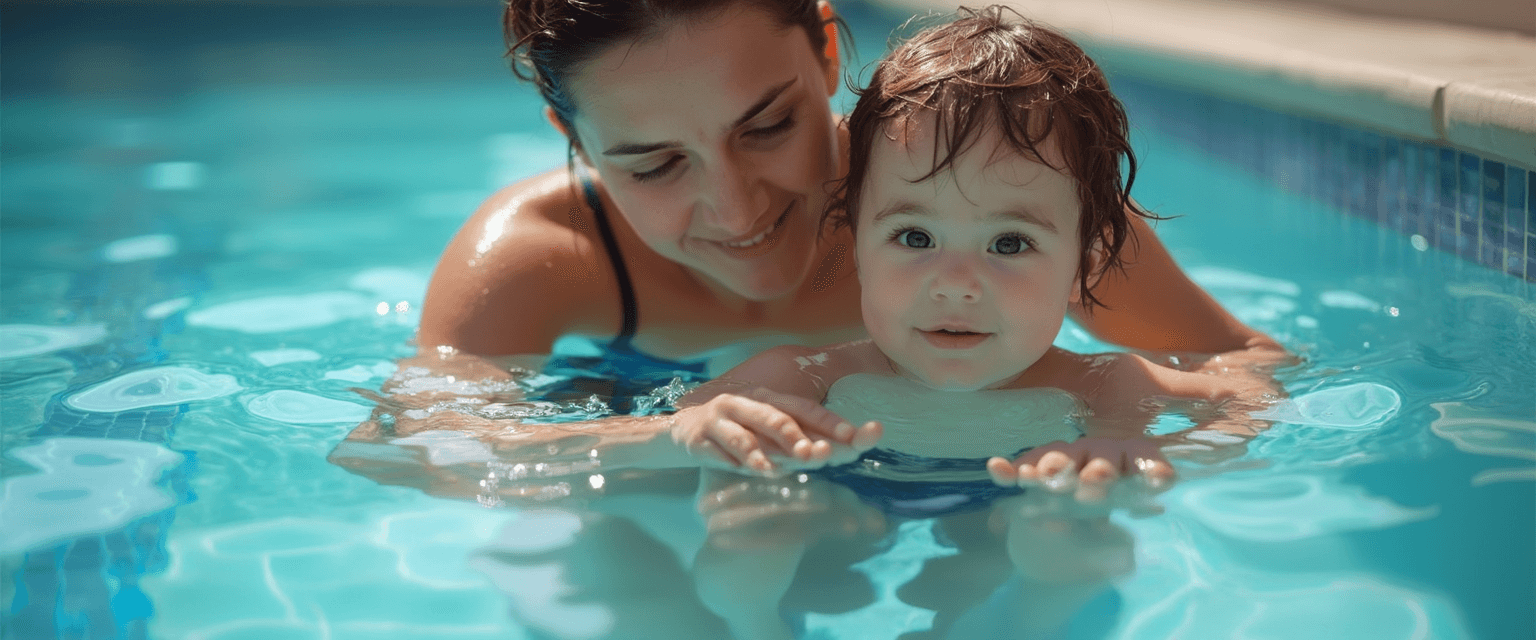
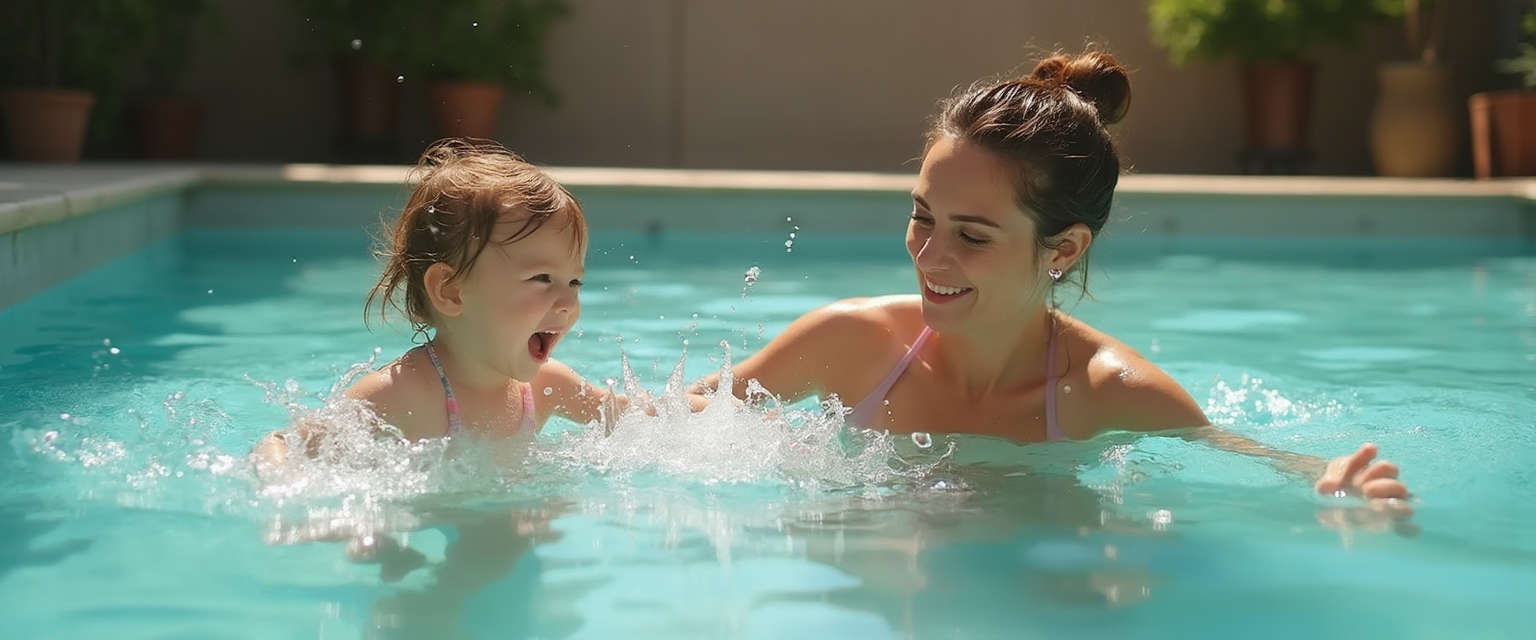
Parent-child swimming lessons are activities where the child is in the water together with a parent or caregiver.
Here, the child learns basic skills such as floating, turning, and climbing out of the water independently.
The presence of a trusted person provides more safety and confidence for the child.
These lessons encourage enjoyment of the water and are a first step toward independent swimming lessons.
Characteristics of Baby and Toddler Swimming
Baby and toddler swimming targets children approximately 0 to 4 years old.
The lessons are playful and focused on water experience, not on teaching swimming strokes.
Children learn skills such as going underwater, floating, and moving in the water.
By practicing regularly, confidence and self-reliance in the water grow.
Survival Swimming for Little Ones
Survival swimming for little ones is a course where children learn to save themselves in the water.
This means, for example, learning to turn, float, and climb out of the water independently.
These lessons are often more intensive and focused on increasing safety around water.
Survival swimming is good preparation for children who are not yet ready for formal swimming lessons.
3. Benefits of Starting Early
Starting swimming lessons early offers clear benefits for children. It helps them build confidence in the water, become more self-reliant, and increase their safety around water. In this chapter, we discuss these three important aspects.Building Water Confidence
Starting swimming activities early helps children gradually become familiar with water. This process, also called water confidence, is essential before they learn swimming strokes. For example, through parent-child swimming, children experience that water can be fun and safe. This confidence makes it easier later to learn new skills.
A child who feels comfortable in the water dares to try more and learns faster. Zwemlesmaatje can help by digitally tracking progress and providing insight into building confidence. This way, parents and instructors know exactly where the child stands in their development.
Increasing Self-Reliance
Self-reliance in and around water is an important goal of starting swimming activities early. Young children learn basic skills such as floating, turning, and climbing out of the water independently. These skills increase their independence and help them respond better in unexpected situations.
By encouraging this self-reliance at a young age, the child grows in confidence and becomes less dependent on others. This is an important step before more technical swimming strokes are taught. The digital tracking system helps to monitor and support this development accurately.
Improving Safety Around Water
Safety around water improves significantly when children start swimming activities early. Becoming familiar with water early and learning self-reliance reduces the risk of accidents. Parents and instructors can better assess which skills the child already masters.
Additionally, a good start ensures children become aware of their own limits in the water. This awareness contributes to safer interaction with water, both during swimming lessons and beyond. Using a student tracking system like Zwemlesmaatje makes this progress transparent and clear for everyone.
4. School Swimming and Alternatives
In this chapter, we discuss the role of school swimming and its starting age.
We also cover various school swimming programs and compare them with private swimming lessons.
This gives you insight into the options and choices for swimming lessons outside and within school.
Starting Age for School Swimming
School swimming usually starts around the age of seven.
This is when many municipalities offer swimming lessons as part of the school program.
The starting age aligns with the motor and cognitive development of children at that age.
For younger children, it is often more difficult to learn the swimming skills needed for the A diploma.
Different School Swimming Programs
School swimming programs vary by municipality and school.
Some programs focus on swimming skills as part of gymnastics lessons, while others aim at obtaining swimming certificates.
The duration and intensity of lessons can therefore vary greatly.
The level of individual guidance is often less than with private swimming lessons.
Preference for Private Swimming Lessons
Many parents choose to have their child take private swimming lessons earlier rather than wait for school swimming.
Private swimming lessons often offer more flexibility in start time and pace.
Additionally, there is usually more personal attention, which can promote progress and motivation.
With a digital tracking system like Zwemlesmaatje, parents and instructors can closely follow development.
5. Tips for Parents When Starting Swimming Lessons
When starting swimming lessons, it is important that parents pay close attention to choosing swimming activities that suit their child.
Also, swimming together can increase the child's confidence and improve the learning experience.
It is also essential to consider the child's developmental level for optimal progress.
Choose Suitable Swimming Activities
Not every swimming activity is suitable for every child. Therefore, choose swimming lessons that match your child's age and skills.
For young children, activities where they are in the water together with a parent are often more pleasant and effective.
These lessons focus on basic skills such as floating and turning, which is good preparation for later swimming strokes.
A digital tracking system like Zwemlesmaatje can help make progress across different activities clear.
Swimming Together for Confidence
Swimming together with your child offers more than just safety; it also strengthens confidence in the water.
By practicing together, the child feels supported and dares to try new skills faster.
Parents can also better assess how their child is developing and where extra attention is needed.
This involvement contributes to a positive swimming experience and encourages motivation to continue.
Pay Attention to Child’s Developmental Level
Every child develops at their own pace, which affects the learning process during swimming lessons.
Therefore, watch for signals such as motor skills and concentration ability to determine the right time for swimming lessons.
If a child does not yet seem ready for formal swimming lessons, a more playful approach with parent-child activities may be better.
By considering the developmental level, you prevent frustration and promote steady progress.

Summary
Summary of Starting Swimming Lessons with a Digital Tracking System
Parents play an important role in the success of swimming lessons. Choosing suitable swimming activities is essential for the child's confidence and development.
A digital tracking system like Zwemlesmaatje helps make swimming lesson progress clear and tailor activities to the child's level.
Suitable Swimming Activities and School Swimming
Swimming activities should match the child's age and experience. For young children, parent-child swimming is suitable, while older children benefit from regular swimming lessons with clear goals.
School swimming usually starts around seven years and is offered in about thirty percent of municipalities. The content and intensity vary per municipality, making alternatives like private swimming lessons available.
Starting Early and Self-Reliance
Starting swimming lessons early increases children's confidence in the water and self-reliance. Parent-child swimming helps practice basic skills such as floating and turning.
These early experiences form a good foundation for later swimming lessons. The digital tracking system supports by providing insight into the child's progress.
Parent-Child Swimming Lessons and Preparation
Parent-child swimming lessons strengthen confidence and the bond between child and parent. Children learn basic skills and feel safe in the water.
Baby and toddler swimming and survival swimming are good preparations for formal swimming lessons at a later age.
Recommended Starting Age and Benefits of Digital Tracking
The recommended starting age for swimming lessons is between four and a half and five years. At this age, children can better apply motor skills and concentration.
A digital tracking system makes progress transparent and efficient. It helps parents and instructors see together which skills are mastered and where extra attention is needed.
Dear reader, in this blog post we discussed when it is best to start swimming lessons for optimal progress.
We would love to hear if you have experience with digitally tracking swimming lessons. Feel free to leave a comment below this article.
You can try Zwemlesmaatje for free via zwemlesmaatje.com. We hope it helps you follow swimming lessons.

Bob van Soest
As an expert in operating sports facilities (such as swimming pools) and developer of, among others, Zwemlesmaatje.com, I am passionately committed to making swimming lessons simpler, more fun and more insightful for parents, swimming instructors and everyone who wants to learn to swim.
Frequently Asked Questions
Related articles

Why Showering Before Swimming Lessons Is So Important
Why shower before swimming lessons? Discover why hygiene and preparation are crucial for the best swimming experience. Read our tips and avoid surprises!
Effectively Registering Swimming Lesson Progress from What Age?

Efficiently Registering Swimming Lesson Progress per Group
Discover Zwemlesmaatje
The all-in-one app for swimming lesson progress. For parents, swim schools, and adult swimmers.