TrackingProgressinChildrenwithWaterAnxiety
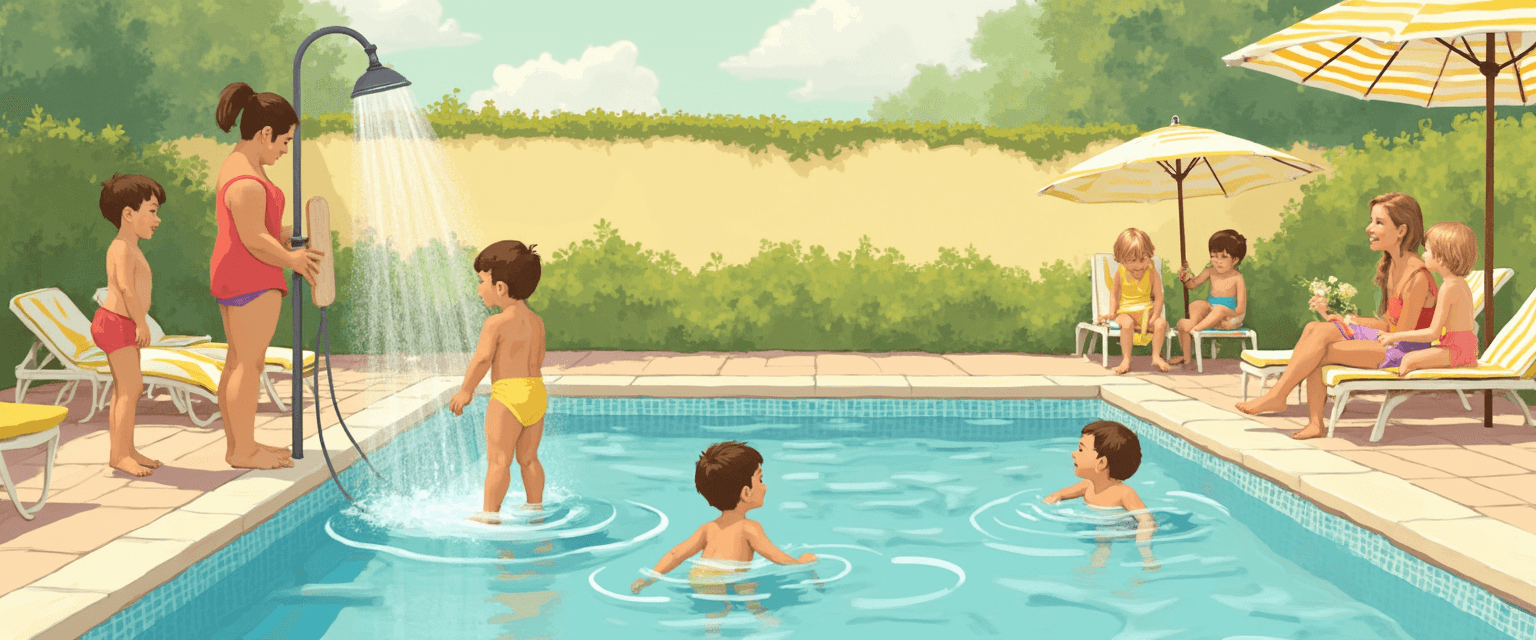
Guiding children with water anxiety requires a targeted approach and accurate recording of their swimming lesson progress. These children often have a different pace and specific needs during the learning process.
In this article, we discuss how parents and swim instructors can work together to increase confidence in the water. Additionally, we cover the importance of recording small successes using a digital tracking system.
This creates a clear overview of development, which helps in planning and adjusting swimming lessons. This article offers practical insights and methods for structured progress registration.
1. Understanding Water Anxiety in Children
In this chapter, we explain what water anxiety exactly entails and its impact on children. We discuss how water anxiety can differ per child. We also look at the consequences of water anxiety for progress during swimming lessons.
Meaning and Impact of Water Anxiety
Water anxiety means that a child experiences fear or insecurity in or around water. This can range from mild hesitation to strong fear. The impact of water anxiety is not only emotional but can also slow down the learning process. It is important to take this fear seriously and handle it calmly.
Children with water anxiety often need more time to feel comfortable in the water. This can affect their motivation and self-confidence during swimming lessons. By recognizing water anxiety, parents and instructors can better respond to the child's needs.
Differences Between Children
Water anxiety does not manifest the same way in every child. Some children, for example, are afraid of the water surface, while others have difficulty going underwater. Age and previous experiences also play a role. Each child therefore needs their own pace to build confidence.
Additionally, temperament and character differences determine how a child copes with water anxiety. Some children are reserved but curious, others withdraw more. It is important to respect these differences and tailor the approach accordingly.
Effect on Swimming Lesson Progress
Water anxiety can slow progress in swimming lessons because children are less willing to try new skills quickly. This requires patience and an adapted lesson approach. Small steps and positive experiences help increase confidence.
By closely monitoring progress, instructors and parents can see which steps the child has already taken. This keeps motivation intact and allows the learning process to be customized. This prevents frustration and encourages a positive swimming experience.
What is Zwemlesmaatje?
Zwemlesmaatje is an independent app that allows you to track, assess, and celebrate swimming progress — whether you are a parent, adult swimmer, or instructor. You are not dependent on the swim school but keep control yourself.
For parents, the app offers a clear learning path of 7 levels (from Red to Gold) with 86 exercises. You rate each exercise with a simple scoring system (0 to 6) and receive a personal swimming certificate for each achieved level. This way, you see at a glance where your child stands and what still needs work.
Adults who want to learn (better) swimming use Zwemlesmaatje discreetly and without group pressure. The app provides structure, breaks the learning process into manageable steps, and helps overcome insecurity. You train at your own pace, whenever it suits you.
Swim schools and instructors use Zwemlesmaatje completely free as a digital system for student administration, schedules, and progress. Parents see their child's development in real time — without extra work for you. A handy Marketing Toolbox also helps you create professional flyers, social media posts, and certificates.
Discover now how Zwemlesmaatje supports your swimming journey.
2. Role of Parents in Water Anxiety
Parents play an important role in guiding children with water anxiety. They can prepare and motivate their child at home, collaborate with the swim teacher, and support exercises at home. This chapter discusses practical tips and cooperation to increase confidence in water.
Preparation at Home and Motivation
Preparing at home helps children get used to water and reduces tension before swimming lessons. For example, standing together in the shower so the child learns to accept water. It is important to motivate the child positively without pressure. This way, confidence grows step by step.
Explain what happens during the swimming lesson and what the child can expect. This makes the experience less unknown and less stressful. Use simple words and stay calm so the child feels safe. This creates a good foundation for learning to swim.
Collaboration with Swim Teacher
Good cooperation between parents and swim teacher strengthens the learning process. Parents can share information about the child's fears and preferences. The swim teacher can respond with adapted exercises and a calm pace. This creates a safe and supportive learning environment.
Regular contact between parents and instructor helps discuss progress. This makes it possible to adjust goals and celebrate successes. This keeps everyone involved and motivated. Together they work on increasing water confidence.
Tips for Practicing at Home
Practicing at home is a valuable addition to swimming lessons. Simple games in the bath or during free swimming help the child get used to water. For example, splashing water or wetting the face without forcing. This promotes fun and relaxation in the water.
Use practical tools such as a waterproof practice fan or watch instructional videos together. This allows the child to practice playfully. Keep exercises short and positive so the child stays motivated. This makes practicing at home a pleasant experience.
3. Practical Registration of Progress
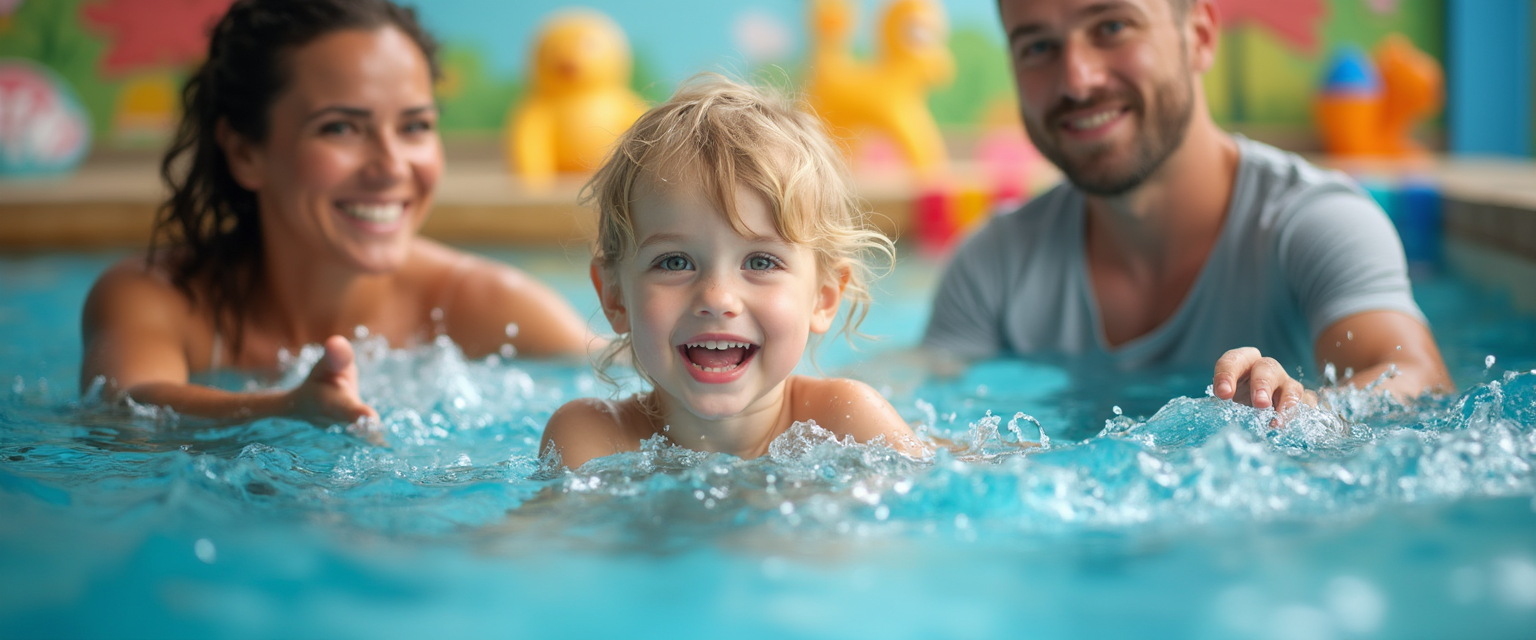
Tracking progress in children with water anxiety requires an adapted approach.
This chapter discusses how goals can be aligned with the child's pace, the importance of recording small successes, and the use of digital progress registration systems.
This creates a clear overview that helps stimulate and support the learning process.
Adjusting Goals for Water Anxiety
For children with water anxiety, it is important to set realistic goals that match their comfort level.
Instead of immediately focusing on swimming strokes, the goal can be that the child feels safe in the water or dares to go underwater.
These goals can be adjusted step by step as the child gains more confidence.
By keeping goals flexible, the learning process remains motivating and suited to individual development.
Documenting Small Successes
Small successes deserve attention and recording because they strengthen the child's self-confidence.
For example, document when the child first dares to put their face in the water or floats independently for a few seconds.
These moments can easily be recorded in a notebook or digital logbook.
This creates an overview of progress that motivates parents, instructors, and the child to continue.
Use of Progress Registration Systems
Progress registration systems offer a structured way to track development.
With digital tools, swim schools and parents can easily record goals, exercises, and milestones achieved.
These systems provide insight into which steps have been taken and which still need attention.
They also support communication between parents and instructors, which benefits cooperation.
4. Methods to Become Water Confident
In this chapter, we discuss various methods to familiarize children with water anxiety with water. We cover exercises that increase confidence, playful ways to make water fun, and a step-by-step approach to gradually get used to water. This gives you practical tools to promote your child's water confidence.
Exercises for Water Confidence
An effective way to build water confidence is by doing targeted exercises that help the child get used to water. Think of gently splashing with hands and feet or blowing bubbles underwater. These exercises help the child experience that water is not threatening. It is important to repeat these activities regularly and in a relaxed atmosphere.
Additionally, practicing simple breathing techniques can increase confidence. For example, calmly submerging the face and then slowly exhaling. This way, the child learns step by step that water does not pose a danger. Using a waterproof practice fan can be a handy tool for this.
Playful Approaches in Water
Playful approaches make water fun and less scary for children. Games like catching water balloons, playing with small boats, or throwing a ball together in the water create positive experiences. This lowers the threshold to enter the water and encourages the child to participate actively.
By presenting water as a place of fun, a natural motivation to practice arises. Laughing and discovering together strengthens the feeling of safety. It is important that the games match the child's interests and that there is room for their own pace.
Gradual Acclimatization to Water
A step-by-step approach helps children gradually get used to water without pressure. For example, start by standing in shallow water where the child can hold on. Then the child can learn to sit and splash, and later slowly put their head underwater.
Each step is only taken when the child feels comfortable. This method prevents overload and strengthens self-confidence. By celebrating small successes, the child stays motivated to continue. This creates a solid foundation for learning to swim.
5. Tools and Support at Home
In this chapter, we discuss tools that parents can use at home to support the progress of children with water anxiety.
We cover visual materials, recommended books, and practical online resources.
These tools help increase water confidence in a calm and structured way.
Use of Visual Materials
Visual materials can help children understand step by step what they are learning.
An example is a waterproof practice fan with pictograms of water confidence exercises.
Such a fan allows the child to practice independently and gives parents a clear overview of progress.
Drawings or photos of swimming positions also make instructions easier to follow.
Recommended Tools and Books
There are various books that parents and children can use together to reduce water anxiety.
A good example is a help book containing practical tips and games to build water confidence at home.
Such books are often written in understandable language and contain clear steps that align with swimming lessons.
They also provide tools to celebrate small successes and keep the child motivated.
Online Videos and Downloadable Tips
Online videos offer a visual and accessible way to practice swimming skills.
Many instructional videos are specially made for children and show exercises in simple steps.
Additionally, there are downloadable tips and exercise cards that parents can use to practice at home in a focused way.
These digital tools support cooperation between parents and swim teachers and strengthen the learning process.

Summary
Summary of Water Anxiety in Children: Guidance and Tools
Water anxiety means that a child experiences fear or insecurity in or around water. This can slow down the learning process and requires a calm approach.
The impact of water anxiety differs per child and affects motivation and self-confidence during swimming lessons.
There are various methods to familiarize children with water anxiety with water. Targeted exercises and a step-by-step approach increase water confidence.
Playful activities and breathing techniques help the child gradually accept water and reduce fears.
Visual materials such as a waterproof practice fan support the child in practicing independently. This gives parents and instructors insight into swimming lesson progress.
Drawings and photos also make instructions clearer and help follow the swimming lesson plan.
Setting realistic goals is important for children with water anxiety. Small successes are recorded and goals are adjusted to the child's pace.
A digital tracking system helps keep this progress clear and stimulates the learning process.
Parents play a crucial role in preparing and motivating the child at home. Positive guidance without pressure increases confidence.
By collaborating with the swim teacher and supporting exercises at home, a good foundation for learning to swim is created.
Dear reader, this blog post was about tracking progress in children with water anxiety.
We would love to hear if you have experience following swimming lessons with children who have water anxiety. Feel free to leave a comment below this article.
You can try Zwemlesmaatje for free via https://zwemlesmaatje.com. We hope it can support you in tracking swimming lessons.

Bob van Soest
As an expert in operating sports facilities (such as swimming pools) and developer of, among others, Zwemlesmaatje.com, I am passionately committed to making swimming lessons simpler, more fun and more insightful for parents, swimming instructors and everyone who wants to learn to swim.
Frequently Asked Questions
Related articles
Why Showering Before Swimming Lessons Is So Important
Why shower before swimming lessons? Discover why hygiene and preparation are crucial for the best swimming experience. Read our tips and avoid surprises!
When to Start Swimming Lessons for Optimal Progress
Effectively Registering Swimming Lesson Progress from What Age?
Discover Zwemlesmaatje
The all-in-one app for swimming lesson progress. For parents, swim schools, and adult swimmers.