RegisteringSwimmingLessonProgresswithVisualTracking
Summary
- Visual tracking clearly and continuously follows swimming lesson progress.
- Digital tracking system provides overview and supports targeted feedback.
- Accessible for instructors and parents, easy to use.
This blog post titled "Registering Swimming Lesson Progress with Visual Tracking" was updated on date: .
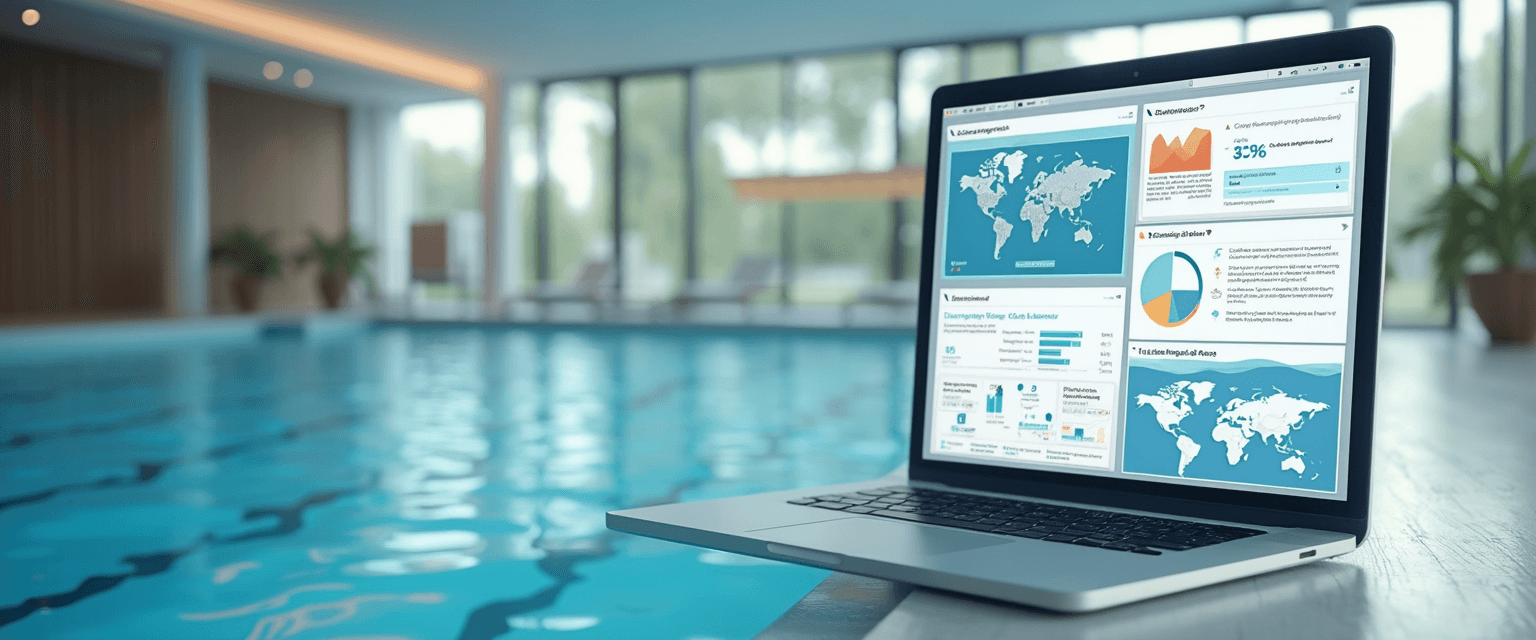
Tracking swimming lesson progress becomes easier with a visual tracking method. This technique uses images and graphs to make swimmers' development clear. This creates a clear overview for both parents and instructors.
In this article, we discuss how a digital tracking system can be practically used to register swimming lesson progress. We cover the necessary tools, the registration process, and analyzing the collected data. Additionally, we address how this information can be used to optimize lesson plans.
The information helps swim schools and instructors systematically monitor and improve students' progress.
1. What is visual tracking?
Visual tracking is a method to make swimming lesson progress clear using images and graphs. It is applied to monitor performance and development in an organized way. This technique offers clear advantages for swimmers, parents, and instructors.Definition of visual tracking
Visual tracking is the systematic recording of progress using visual aids. This can be done, for example, through photos, videos, or graphical representations of skills. The goal is to make performance transparent and understandable. This makes it easier to follow and evaluate developments.
By using visual elements, information is conveyed more directly and clearly. This helps both instructors and parents better understand the progress. It complements traditional written reports. Visual tracking makes the learning process more transparent and organized.
Application in swimming lessons
In swimming lessons, visual tracking is used to monitor the development of swimming techniques. Instructors can, for example, make video recordings of swimming strokes and analyze them. Graphs can also display the skills achieved per lesson. This makes it easier to identify strengths and areas for improvement.
Additionally, visual tracking helps in communicating with parents. They get a clear picture of their child's progress. This promotes involvement and trust. It also supports creating targeted lesson plans based on concrete data.
Advantages of visual methods
Visual methods offer various benefits when registering swimming lesson progress. They make the learning process transparent and motivate swimmers by making their progress visible. They also facilitate communication between instructors and parents.
Furthermore, visual aids provide an objective assessment of skills. This prevents misunderstandings and makes it easier to set goals. This approach makes swimming education more effective and transparent for all involved.
What is Zwemlesmaatje?
Zwemlesmaatje is an independent app that allows you to track, assess, and celebrate swimming progress — whether you are a parent, adult swimmer, or instructor. You are not dependent on the swim school but keep control yourself.
For parents, the app offers a clear learning path of 7 levels (from Red to Gold) with 86 exercises. You assess each exercise with a simple scoring system (0 to 6) and receive a personal swimming certificate for each achieved level. This way, you can see at a glance where your child stands and what still needs work.
Adults who want to learn (better) swimming use Zwemlesmaatje discreetly and without group pressure. The app provides structure, divides the learning process into manageable steps, and helps overcome uncertainty. You train at your own pace, whenever it suits you.
Swim schools and instructors use Zwemlesmaatje completely free as a digital system for student administration, schedules, and progress. Parents see their child's development in real-time — without you having to do any extra work. A handy Marketing Toolbox also helps you create professional flyers, social media posts, and certificates.
Discover now how Zwemlesmaatje supports your swimming journey.
2. Preparation for registration
Good preparation is essential for successfully registering swimming lesson progress.
This chapter covers the necessary tools, instructions for instructors, and communication with parents.
This creates a clear overview and ensures the process runs smoothly.
Requirements and tools
For registering swimming lesson progress with visual tracking, some requirements are important.
A digital platform or app forms the basis to clearly record data.
Additionally, a tablet or laptop is handy to quickly enter information during or after the lesson.
It is also important that the software used is simple to operate and accessible to all involved.
Furthermore, a clear list of skills and goals helps to follow progress in a structured way.
Instructions for instructors
Instructors play a central role in registering progress.
They receive clear instructions on how to use the digital system and which data must be recorded.
It is important that they enter data regularly and accurately so that progress stays up to date.
Training or a brief explanation beforehand ensures instructors become familiar with the tool and process.
This way, they can also better answer parents' questions and use the system effectively.
Communication with parents
Good communication with parents is essential for transparency and involvement.
Inform parents in advance about the use of visual tracking and what they can expect.
Explain how they can follow progress via the online platform and what benefits this offers.
Regular updates and open communication build trust and encourage cooperation.
This way, parents remain involved in their child's swimming development.
3. Registration process practically explained
In this chapter, we explain how the registration process of swimming lesson progress works in practice. We cover a clear step-by-step approach, the use of online platforms, and give tips for easy data entry. This gives you insight into how to record progress clearly and efficiently.Step-by-step approach
The registration process starts with recording lesson results after each swimming lesson. This can be done manually or digitally, depending on the method used.
A good step is to first select the key skills to be assessed, such as breathing, floating, and swimming strokes.
Then the instructor notes the progress per student, for example with symbols or color codes that provide quick insight.
By regularly updating this data, a clear overview of each child's development emerges.
Use of online platforms
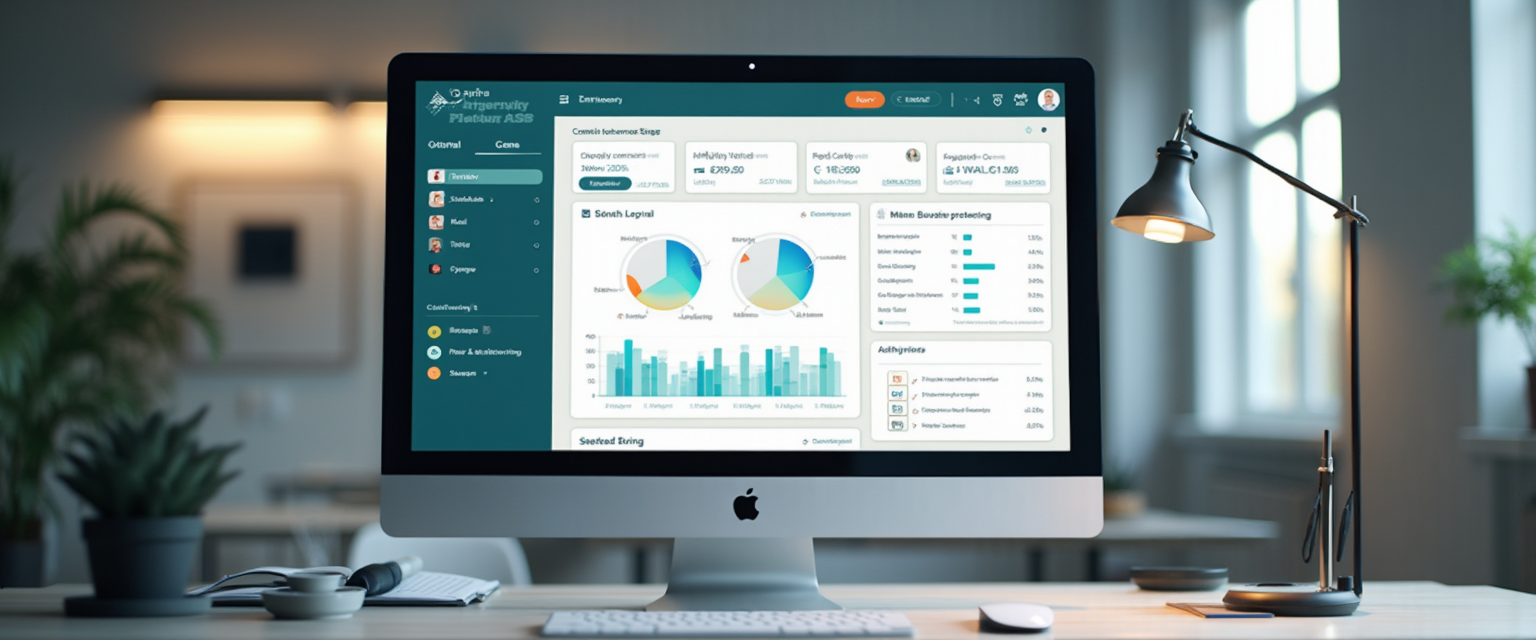
Online platforms like MijnZwemscore offer a central place to register and view progress. Instructors can enter results directly after the lesson here.
Parents gain insight into their child's progress via the platform, which improves communication.
The platform also supports scheduling make-up lessons and managing payments, reducing administrative work.
Using such a platform makes the registration process clear and accessible for all involved.
Tips for easy data entry
For easy data entry, it is important to choose fixed moments to register progress, for example directly after the lesson.
Use standard lists or templates with key skills to quickly enter data.
Limit the number of input fields to what is really necessary so the process is not too time-consuming.
Additionally, it helps to properly train instructors in using the platform and registration procedure.
4. Analysis and use of data
In this chapter, we discuss how to analyze and apply the collected data about swimming lesson progress. We look at interpreting learning progress, giving targeted feedback to students, and adjusting lesson plans based on the data. This creates a practical approach to optimize the learning process.
Interpreting learning progress
Interpreting learning progress starts with viewing the visual overviews the system provides. These give insight into which skills a student masters and where attention is still needed. By recognizing trends, such as steady progress or stagnation, the instructor can better estimate how the learning process is going.
An example is seeing that a child struggles with breathing technique while other skills are going well. This makes it possible to practice specifically and closely monitor progress. Using clear graphs or color codes helps quickly gain insight without having to read extensive reports.
Feedback to students
Feedback to students becomes more effective when based on concrete data from visual tracking. Instructors can thus mention specific points that are going well and where improvement is possible. This makes the feedback clear and motivating for the student.
For example, an instructor might say: "You have greatly improved your kick, now we focus on improving your arm movement." This targeted feedback helps the student better understand the next step. Parents can also follow this feedback via the platform, supporting communication.
Adjusting lesson plans
Based on the analyzed data, lesson plans can be adjusted to better match students' needs. If progress shows that a group struggles with a certain technique, the instructor can pay extra attention to those parts.
It also makes it possible to apply differentiation, where students are guided at their own level. This prevents students from moving through the program too quickly or too slowly. This makes the lesson offering more efficient and personal, which benefits learning outcomes.
5. Improving with visual tracking
Visual tracking helps swim schools continuously improve students' progress.
This happens through regular evaluations, using additional tools, and involving parents.
This approach provides a clear overview and encourages collaboration between instructors and parents.
Regular evaluation
It is important to regularly evaluate swimmers' progress with visual aids.
For example, by visually recording the skills achieved each month, a clear picture of development emerges.
These evaluations make it possible to timely adjust the lesson program.
This way, an instructor can give focused attention to swimmers who need extra practice.
Use of additional tools
Besides visual tracking, additional tools such as video recordings or digital progress reports can be used.
Videos provide a concrete image of swimming technique and offer extra insight for both instructors and parents.
Digital reports can be easily shared via online platforms, facilitating communication.
These aids strengthen the overview and support a targeted approach in lessons.
Encouraging parental involvement
Parents play an important role in stimulating swimming lesson progress.
By actively involving them in visual progress reports, more understanding and motivation arise.
Regular updates and accessible overviews help parents support at home in a focused way.
This creates a collaboration that positively influences the child's learning process.

Summary
Summary of Visual Tracking for Swimming Lesson Progress
Visual tracking helps swim schools clearly and continuously monitor students' progress. This happens through regular evaluations, additional tools, and parental involvement.
By visually recording skills achieved each month, a clear picture of development emerges. This makes it possible to adjust the lesson program in time.
Why a digital tracking system helps
A digital tracking system provides clear visual overviews of swimming lesson progress. Instructors can recognize trends and give targeted feedback.
The system supports a practical approach to optimize the learning process. This way, swimmers can practice skills that need extra attention.
The registration process proceeds step by step via online platforms. This makes entering lesson results simple and efficient.
Good preparation with the right tools and clear instructions ensures a smooth process. The digital system is accessible to instructors and parents.
Dear reader, this blog post was about registering swimming lesson progress with visual tracking.
We would love to hear if you have experience with digitally tracking swimming lessons. Feel free to leave a comment below this article.
You can try Zwemlesmaatje for free via zwemlesmaatje.com. We hope it can help you keep track of swimming lesson progress.

Bob van Soest
As an expert in operating sports facilities (such as swimming pools) and developer of, among others, Zwemlesmaatje.com, I am passionately committed to making swimming lessons simpler, more fun and more insightful for parents, swimming instructors and everyone who wants to learn to swim.
Frequently Asked Questions
Related articles
Why Showering Before Swimming Lessons Is So Important
Why shower before swimming lessons? Discover why hygiene and preparation are crucial for the best swimming experience. Read our tips and avoid surprises!
When to Start Swimming Lessons for Optimal Progress
Effectively Registering Swimming Lesson Progress from What Age?
Discover Zwemlesmaatje
The all-in-one app for swimming lesson progress. For parents, swim schools, and adult swimmers.