EffectivelyRegisteringSwimmingLessonProgressfromWhatAge?
Summary
- Regularly updating swimming lesson progress digitally improves overview and planning.
- Digital systems enhance communication and provide transparency to parents.
- Early and structured registration optimizes lesson approach and safety.
This blog post titled "Effectively Registering Swimming Lesson Progress from What Age?" was updated on: .
Recording swimming lesson progress is an important part of swim education. For parents, instructors, and swim schools, a digital tracking system provides an overview and insight into the development of swimmers.
In this article, we discuss from what age it makes sense to register swimming lesson progress. We cover the influence of age on the learning process and the role of survival swimming. Additionally, we compare different methods for tracking progress.
This creates a clear picture of when and how swim lesson planning and registration can best be implemented.
1. Age for registering swimming progress
In this chapter, we discuss from what age it is useful to register swimming lesson progress. We look at when it is best to start registering, how age influences progress, and the role of survival swimming. This provides a clear view of the right moment to record swimming development.
When to start registering?
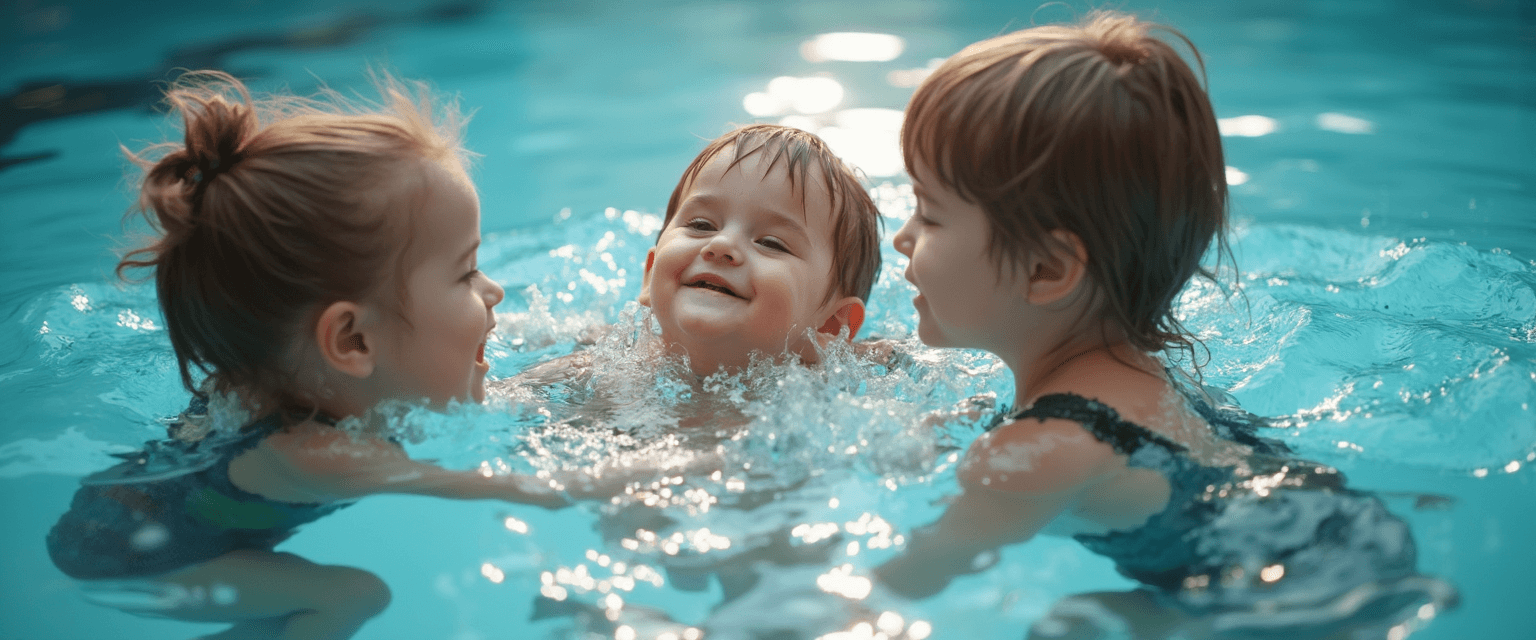
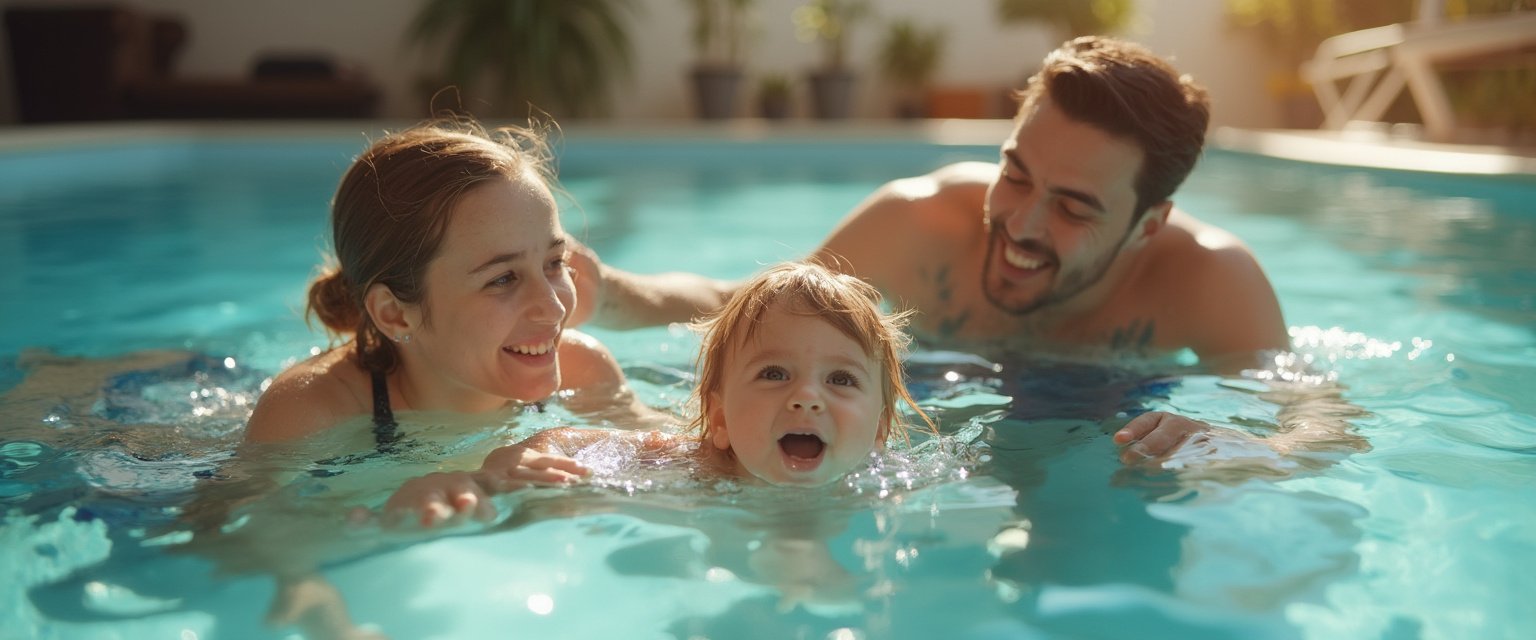
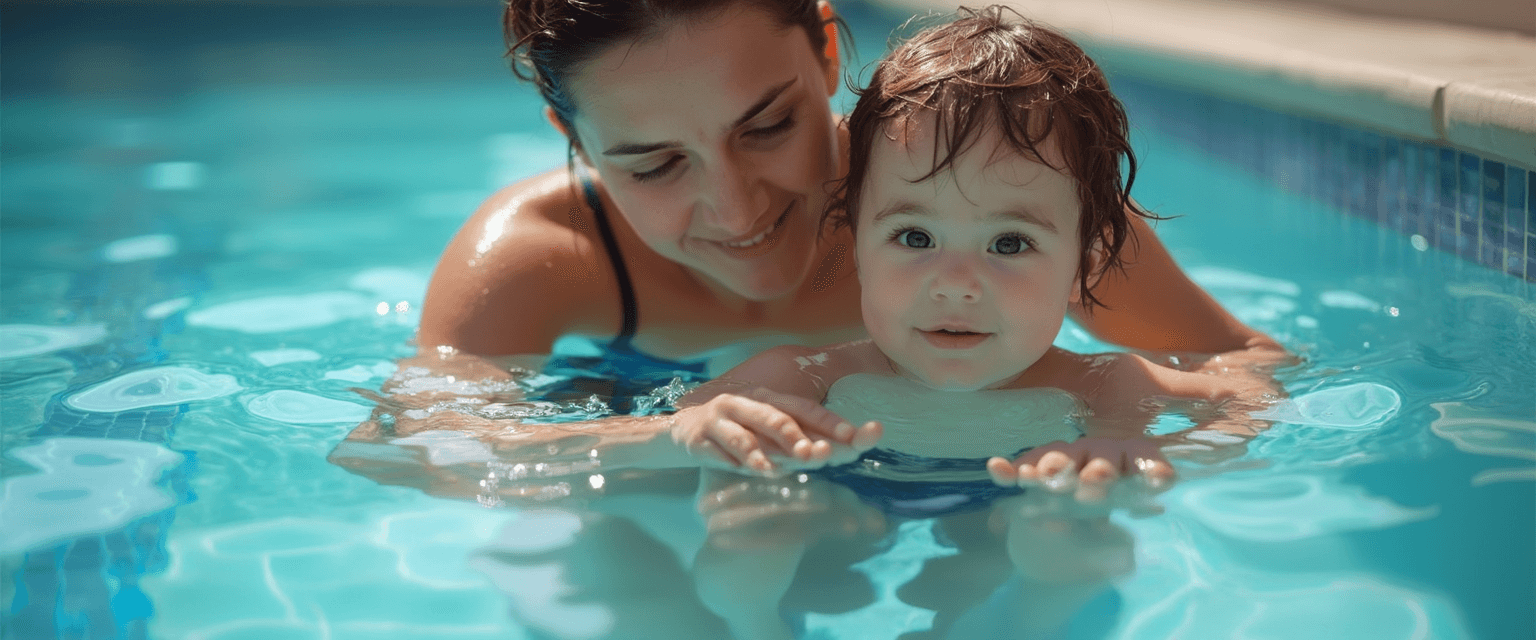
Registering swimming lesson progress can begin as soon as children start swimming activities focused on water familiarity. This is often around the age of 9 months, when survival swimming is offered. From that moment, instructors can record important skills and reactions that form the basis for later swimming lessons.
Starting registration early creates a complete picture of development. This helps to better tailor the lesson approach to the child. It is less useful to start registering only at the beginning of regular swimming lessons around five years old, as earlier skills are then missing.
Influence of age on progress
The child's age affects how progress is measured and interpreted. Young children mainly learn basic skills such as floating and breathing underwater. These skills differ from the swimming techniques older children learn.
Registration should therefore align with the developmental stage. For toddlers, the focus is on self-reliance and water confidence. As children grow older, attention shifts to swimming strokes and endurance. This keeps the registration relevant and useful.
Survival swimming and age
Survival swimming is a special form of swimming lessons aimed at young children from about 9 months old. It teaches them to go underwater, calmly turn onto their back, and float. These skills increase the chance of survival if unexpectedly falling into water.
These lessons are short and intensive and form an important addition to baby swimming. Survival swimming is not a replacement for regular swimming lessons but provides a valuable foundation. Registering these skills helps to make progress in self-reliance visible.
What is Zwemlesmaatje?
Zwemlesmaatje is an independent app that allows you to track, assess, and celebrate swimming progress — whether you are a parent, adult swimmer, or instructor. You are not dependent on the swim school but keep control yourself.
For parents, the app offers a clear learning path of 7 levels (from Red to Gold) with 86 exercises. You rate each exercise with a simple scoring system (0 to 6) and receive a personal swimming certificate for each achieved level. This way, you see at a glance where your child stands and what still needs work.
Adults who want to learn (better) swimming use Zwemlesmaatje discreetly and without group pressure. The app provides structure, breaks the learning process into manageable steps, and helps overcome insecurity. You train at your own pace, whenever it suits you.
Swim schools and instructors use Zwemlesmaatje completely free as a digital system for student administration, schedules, and progress. Parents see their child's development in real-time — without extra work for you. A handy Marketing Toolbox also helps you create professional flyers, social media posts, and certificates.
Discover now how Zwemlesmaatje supports your swimming journey.
2. Importance of early registration
Early registration of swimming lesson progress is important for the safety and development of young swimmers.
It helps support self-reliance and recognize signs of possible problems in time.
In this chapter, we discuss why starting to register at a young age is valuable.
Safety in the transition phase
In the transition phase between walking and starting regular swimming lessons, there is an increased risk around water.
By registering progress early, instructors can better monitor how children handle water safety techniques.
This contributes to timely recognition of uncertainties or fear when going underwater.
Guidance can then be adjusted to increase safety and prevent panic.
Supporting self-reliance
Early registration supports the development of self-reliance in young swimmers.
By tracking skills such as floating and calmly going underwater, children gain confidence in the water.
Instructors can then focus practice on swimming moments that need extra attention.
This promotes a stable foundation for later swimming lessons and increases the child's comfort in the water.
Recognizing early signals
By registering progress at a young age, early signs of developmental delays or fear can be recognized.
This makes it possible to provide extra support in time or adjust the lesson program.
Parents can also be better informed about their child's situation.
Thus, early registration contributes to an effective and safe swimming lesson experience.
3. Registration methods and tools
In this chapter, we discuss the different methods to register swimming lesson progress. We compare manual and digital systems and explain how progress software can help. Additionally, we provide practical tips to keep registration efficient and clear.
Manual vs digital systems
Manual registration often happens with pen and paper or simple spreadsheets. This can work for small groups but is less clear with many students. Digital systems offer more structure and make it easier to quickly view progress.
With digital tools, instructors can, for example, add notes directly during the lesson. Parents can often view progress online, improving communication. Using digital systems reduces errors and saves time in data management.
Use of progress software
Progress software such as Zwemlesmaatje.com is specially developed for swim schools and instructors. This software registers skills, obtained diplomas, and individual goals. This creates a clear overview of each student's development.
Most programs also offer reports and reminders for follow-up lessons. This helps to regularly track progress and intervene timely if needed. For parents, it is convenient to gain insight into their child's swimming skills via an app or portal.
Practical tips for registering
Start with a fixed registration system that is easy to use for all involved. Ensure instructors make short, clear notes during or immediately after the lesson. This prevents important information from being lost.
Use standard skill lists where possible to measure progress. Schedule fixed moments to evaluate data and discuss with parents. This keeps registration current and functional.
4. Communication with parents
Good communication with parents is essential when registering swimming lesson progress. Sharing clear information helps parents gain insight into their child's development.
Additionally, involving parents strengthens cooperation between swim school and family. Finally, advice on practicing at home offers practical tools to support swimming skills.
Sharing information about progress
It is important to regularly inform parents about their child's progress. This can be done via digital reports or short conversations after the lesson.
By giving concrete examples, such as which skills the child masters, a clear picture emerges. Using a clear progress system makes this information accessible and understandable.
This way, parents know exactly where their child stands and what steps follow. This prevents confusion and strengthens trust in the swimming process.
Involving parents in development
Actively involving parents in swimming development boosts the child's motivation. By involving parents in goals and achieved results, they feel more connected to the learning process.
A practical way is organizing short evaluation moments where parents can ask questions. This encourages open dialogue and makes it possible to collaborate on improvements.
Additionally, parents can better estimate when extra support or practice is needed. This contributes to a consistent approach between swimming lessons and home.
Advice on practicing at home
Advice on practicing at home helps parents strengthen their child's swimming skills. It is useful to provide simple exercises that fit the child's age and level.
Examples include practicing floating or breathing exercises in shallow water under supervision. This increases confidence and makes swimming lessons more effective.
Regular repetition at home supports the learning process and ensures better mastery of skills. It is important that parents know how to do this safely and enjoyably.
5. Follow-up after first registration
After the first registration of swimming lesson progress, it is important to regularly update this data. This helps to properly track the child's development and plan appropriate follow-up lessons. Additionally, it provides insight into long-term progress and retention of swimming skills.
Regularly updating progress
Regularly updating progress ensures an up-to-date overview of swimming skills. This can happen, for example, after each lesson or every few weeks, depending on lesson frequency. By recording new skills and improvements, the learning process remains transparent. Instructors and parents can then provide targeted support where needed.
A practical way is to register progress digitally so data is easily accessible and can be supplemented. This prevents important information from being lost and makes it easier to recognize trends. Tracking small steps also motivates the child to continue practicing.
Follow-up lessons and exercises
Follow-up lessons are essential to strengthen and expand acquired swimming skills. After the first registration, an instructor can recommend targeted exercises that match the child's level. This helps improve weak points and introduce new techniques.
Exercises can vary from floating and breathing to independently climbing out of the water. By scheduling these structurally, the child stays motivated and swimming safety increases. Parents can also better understand which skills can be practiced at home.
Monitoring long-term development
Monitoring long-term development is important to sustainably maintain swimming skills. Swimming is a skill that needs regular practice to avoid losing it. By periodically evaluating progress, any regressions can be detected in time.
This can be done by scheduling semi-annual or annual evaluations. This creates a complete picture of swimming development over multiple years. This approach supports a safe and confident swimming experience for the child in the long term.

Summary
Summary of digitally tracking swimming lesson progress
Regularly updating swimming lesson progress is essential for a good overview of development. This helps in planning appropriate follow-up lessons and maintaining swimming skills.
By registering progress digitally, data remains accessible and trends can be easily recognized. This supports both instructors and parents in providing targeted assistance.
Why a digital tracking system helps
Good communication with parents is strengthened by clear and regular information about swimming lesson progress. Digital reports and clear systems make development transparent and understandable.
Digital systems offer more structure than manual methods. They reduce errors, save time, and allow notes to be added directly during lessons.
Early registration of swimming lesson progress, starting from the water familiarity phase, provides a complete picture of development. This makes it possible to better tailor the lesson approach to the child and increase safety.
Dear reader, in this blog post we have discussed from what age it is effective to register swimming lesson progress.
We would love to hear if you have experience with digitally tracking swimming lessons. Feel free to leave a comment below this article.
You can try Zwemlesmaatje for free via zwemlesmaatje.com. We hope this tool can support you in keeping track of swimming lesson progress.

Bob van Soest
As an expert in operating sports facilities (such as swimming pools) and developer of, among others, Zwemlesmaatje.com, I am passionately committed to making swimming lessons simpler, more fun and more insightful for parents, swimming instructors and everyone who wants to learn to swim.
Frequently Asked Questions
Related articles

Why Showering Before Swimming Lessons Is So Important
Why shower before swimming lessons? Discover why hygiene and preparation are crucial for the best swimming experience. Read our tips and avoid surprises!
When to Start Swimming Lessons for Optimal Progress

Efficiently Registering Swimming Lesson Progress per Group
Discover Zwemlesmaatje
The all-in-one app for swimming lesson progress. For parents, swim schools, and adult swimmers.