EffectiveSwimmingLessonPlanningforWaterFamiliarizationGroups
Summary
- Small groups and private lessons improve personal attention and learning experience.
- Good planning with rest moments prevents fatigue and increases concentration.
- Clear goals, predictable routines, and digital tracking system boost motivation.
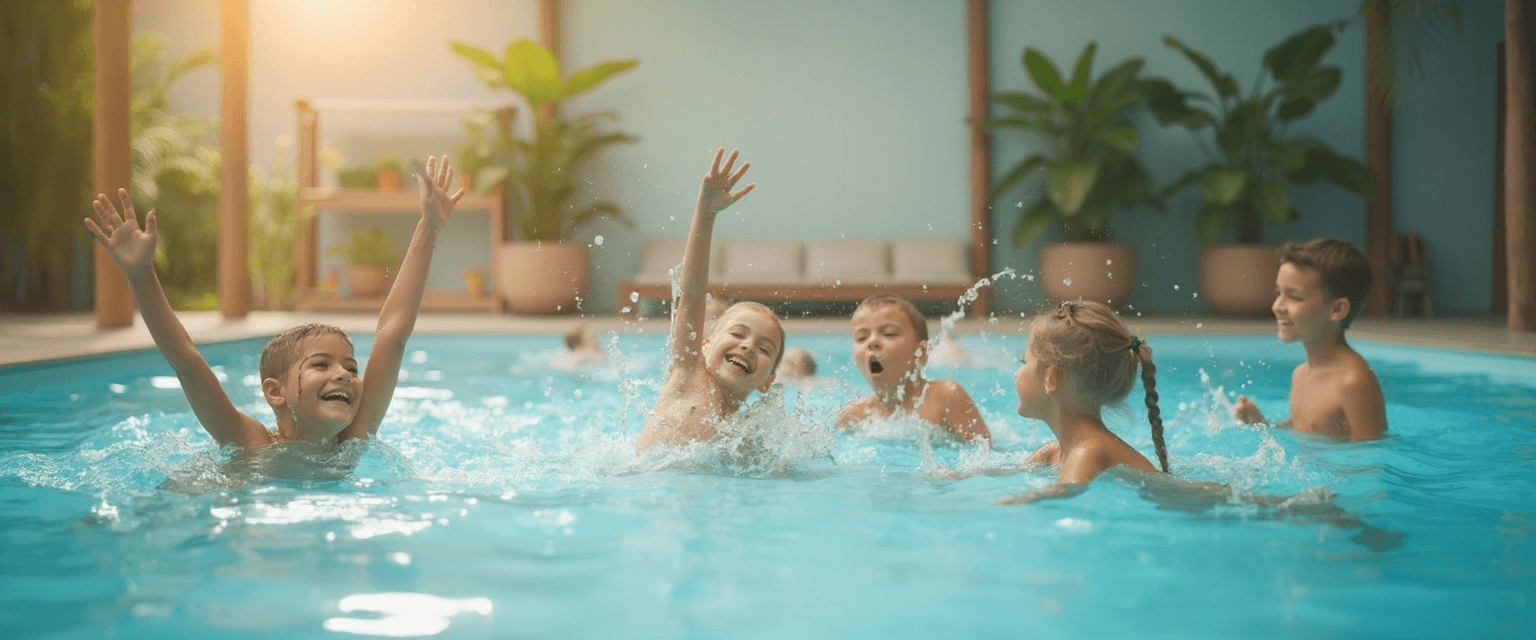
Planning swimming lessons for water familiarization groups requires a structured approach. Parents, swimming instructors, and swim schools need a clear lesson plan that takes into account the development and well-being of young swimmers.
In this article, we discuss practical aspects such as the importance of fixed routines, setting achievable goals, and choosing suitable lesson times. Additionally, we cover ways to boost children's motivation and integrate alternative lesson formats.
With these insights, those involved can improve the swimming lesson experience and track children's progress in an organized way.
1. Importance of a Fixed Swimming Lesson Routine
A fixed swimming lesson routine provides children with clarity and security. This reduces resistance and makes it easier to practice regularly. In this chapter, we discuss the benefits of predictability, the importance of fixed times and frequency, and how this helps reduce resistance in children.Benefits of Predictability
A predictable swimming lesson routine gives children a sense of safety. They know what to expect, which builds confidence. This prevents uncertainty and reduces stress around the swimming lesson.
Children get used to fixed patterns, making them less likely to dread the lesson. This contributes to a positive experience and a better learning attitude.
Fixed Times and Frequency
Fixed times and a regular frequency provide structure in the swimming lesson program. By giving lessons on fixed days and times, swimming becomes a habit. This helps children integrate the swimming lesson into their weekly schedule.
Regularity also promotes the learning process because skills are practiced more often. This keeps progress more visible and makes swimming feel more natural.
Reducing Resistance in Children
Resistance in children often arises from uncertainty or fatigue. A fixed routine helps reduce this resistance. Children know what to expect and can better prepare for the lesson.
Additionally, a predictable schedule prevents children from being too tired or overwhelmed by busy schedules. This makes it easier to attend swimming lessons with pleasure.
What is Zwemlesmaatje?
Zwemlesmaatje is an independent app that allows you to track, assess, and celebrate swimming progress — whether you are a parent, adult swimmer, or instructor. You are not dependent on the swim school but keep control yourself.
For parents, the app offers a clear learning path of 7 levels (from Red to Gold) with 86 exercises. You assess each exercise with a simple scoring system (0 to 6) and receive a personal swimming certificate for each level achieved. This way, you can see at a glance where your child stands and what still needs work.
Adults who want to learn (better) swimming use Zwemlesmaatje discreetly and without group pressure. The app provides structure, breaks the learning process into manageable steps, and helps overcome uncertainty. You train at your own pace, whenever it suits you.
Swim schools and instructors use Zwemlesmaatje completely free as a digital system for student administration, schedules, and progress. Parents see their child's development in real-time — without extra work for you. A handy Marketing Toolbox also helps you create professional flyers, social media posts, and certificates.
Discover now how Zwemlesmaatje supports your swimming journey.
2. Increasing Motivation in Swimming Lessons
Motivation is essential to keep children engaged in swimming lessons.
In this chapter, we discuss how playful exercises, bringing friends along, and rewards can increase motivation.
This approach makes swimming lessons more fun and encourages children to participate actively.
Playful Exercises and Variation
Playful exercises ensure that children enjoy themselves during the swimming lesson.
By introducing variation, such as small games or favorite exercises, the lesson remains diverse and challenging.
Children can, for example, choose from different water activities that suit their level.
This increases engagement and reduces the chance of boredom.
Bringing Friends to Swimming Lessons
Bringing friends to swimming lessons makes the experience more enjoyable and less intimidating.
Children often feel more confident when they are in the water with someone they know.
This can improve group dynamics and strengthen the social aspect of the lesson.
Swimming then becomes not only a sport but also a fun social activity.
Rewards for Effort
Rewards for effort encourage children to participate actively, regardless of the outcome.
Small symbolic rewards, such as stickers or compliments, recognize their effort.
This helps develop a positive attitude towards swimming lessons.
Rewards focus on the process and encourage perseverance.
3. Setting and Tracking Goals
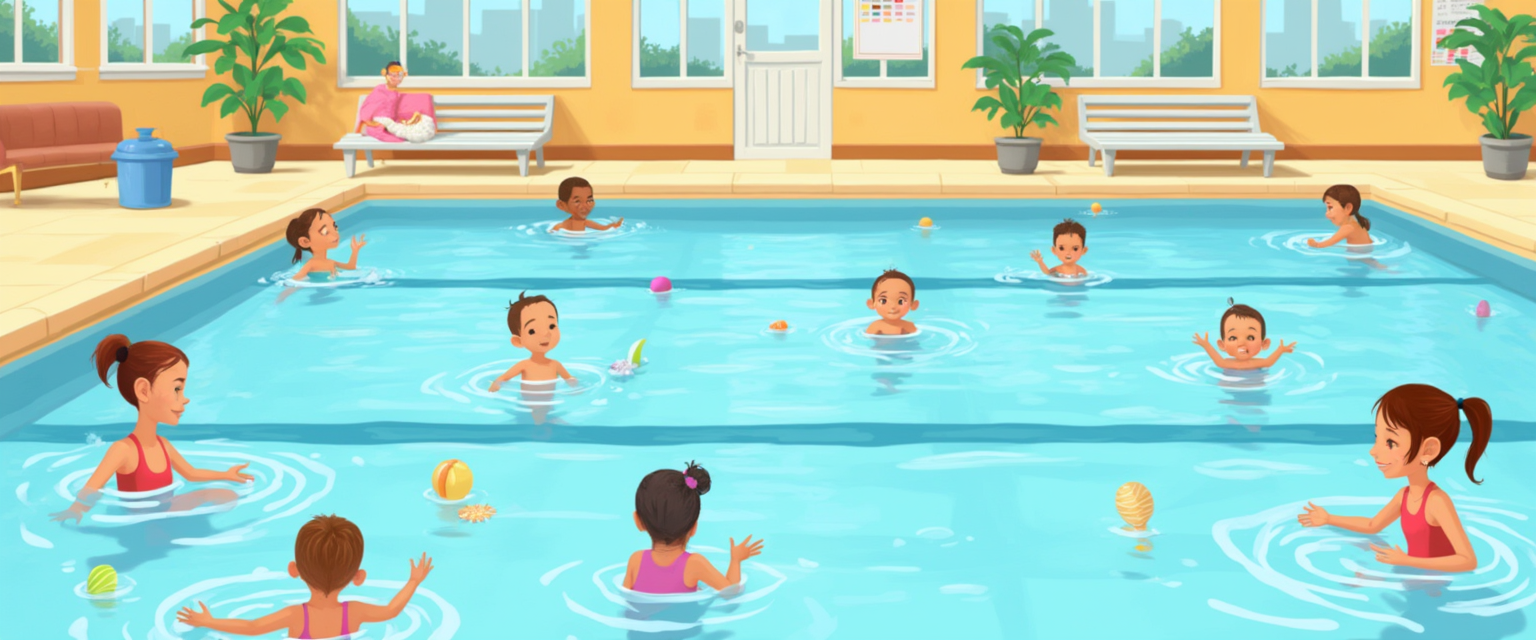
In this chapter, we discuss how to set clear goals for water familiarization groups.
We explain how to align goals with the children's level and how to make progress visible.
This keeps motivation and engagement high during swimming lessons.
Short- and Long-Term Goals
It is important to formulate both short and long-term goals.
Short-term goals might be getting used to the water or floating independently.
Long-term goals focus on skills children should master over time, such as safely going underwater or learning a specific swimming stroke.
By clarifying these goals, children and parents can better track progress and keep the learning process clear.
Aligning Goals with Level
Goals should always be tailored to the group's level and abilities.
For water familiarization groups, the focus is often on gaining confidence in the water and basic skills.
It is important to keep goals realistic and achievable so children experience success.
This prevents discouragement and keeps the material appropriate for their development.
Making Progress Transparent
Making progress transparent helps provide insight into what has been achieved and what still needs attention.
This can be done with a simple digital tracking system where goals and completed steps are recorded.
Parents and instructors can clearly see which skills have been practiced and which are upcoming.
This open communication strengthens collaboration and motivates children to stay engaged.
4. Managing Fatigue and Planning
When planning swimming lessons for water familiarization groups, it is important to consider fatigue and children's daily schedules.
This chapter discusses how choosing the right lesson time, scheduling snack breaks and rest, and avoiding busy schedules contribute to a better lesson experience.
This way, children can participate in swimming lessons with more energy and enjoyment.
Choosing Lesson Times
Choosing a suitable time for swimming lessons helps limit fatigue.
Avoid lessons immediately after school or intensive activities, as children often have less energy then.
A time when children are still fresh, such as early afternoon or just after a rest period, often works better.
This helps them concentrate better and enjoy the lesson more.
Promoting Snack Breaks and Rest
Snack breaks before or after swimming lessons support children's energy levels.
A light, healthy snack prevents swimming on an empty stomach and helps counteract fatigue.
It is also important to schedule enough rest between activities and swimming lessons.
This promotes recovery and ensures children participate with more pleasure and focus.
Avoiding Busy Schedules
Busy schedules around swimming lessons can lead to overload and less motivation.
Therefore, do not plan other intensive activities immediately before or after the swimming lesson.
This gives children enough time to relax and prepare for the lesson.
A calm schedule prevents children from feeling rushed or stressed, improving the lesson experience.
5. Considering Alternative Lesson Formats
In this chapter, we discuss various alternative lesson formats for water familiarization groups. We look at the benefits of smaller groups, the possibilities of private lessons, and how parents can collaborate with instructors. This gives you insight into practical options to better tailor swimming lessons to children's needs.
Using Smaller Groups
Smaller groups often offer more room for personal attention. In a smaller group, the instructor can better respond to individual needs and pace. This helps children who quickly feel overwhelmed in large groups. Moreover, a calmer atmosphere often arises, which can increase confidence.
An example is a group of four to six children instead of ten. This allows exercises to be better adapted and more time for repetition. This contributes to a positive experience during water familiarization. Small groups are therefore a valuable option for children who need extra support.
Private Lessons as an Option
Private lessons offer maximum flexibility and individual guidance. The instructor can fully tailor the lesson to the child's level and preferences. This is especially useful if a child struggles with group dynamics or requires specific attention. Parents can also be more easily involved in the learning process.
A private lesson can, for example, focus on getting used to water without peer pressure. Additionally, the lesson can be scheduled at a time that suits the child best. This promotes motivation and learning enjoyment. Private lessons are thus a good complement to group lessons.
Collaboration with Parents
Parents play an important role in the success of swimming lessons. By collaborating with the instructor, better alignment with the child's needs is achieved. Parents can, for example, share information about their child's behavior and preferences. This helps the instructor plan the lesson better.
Additionally, parents can encourage water enjoyment at home with simple exercises. Discussing goals and progress with the instructor also increases involvement. This creates a supportive environment that strengthens the learning process. Good communication between parents and instructors is therefore essential.

Summary
Summary of Alternative Lesson Formats and Planning for Water Familiarization Groups
Small groups offer more personal attention and calm during swimming lessons. This helps children who quickly become overwhelmed and improves the learning experience.
Private lessons and collaboration with parents provide better alignment with individual needs. This makes swimming lessons more effective and enjoyable.
The Importance of Planning and Rest
A well-chosen time for swimming lessons prevents fatigue in children. Avoid lessons immediately after school or intensive activities.
Rest moments and snack breaks contribute to more energy and concentration during the lesson. This increases the enjoyment and effectiveness of the swimming lesson.
Setting Goals and Increasing Motivation
Clear short- and long-term goals make the swimming lesson clear. This helps children and parents track progress and stay motivated.
Playful exercises and involving friends increase motivation. Variation and rewards make swimming lessons more fun and encourage active participation.
Predictable Swimming Lesson Routine
A fixed swimming lesson routine gives children clarity and reduces resistance. This creates more confidence and a positive learning attitude.
Regularity and predictability help children get used to swimming lessons better. This contributes to a stable and effective learning process.
Benefits of a Digital Tracking System
With a digital tracking system, instructors can accurately monitor swimming lesson progress. This makes it easier to set and adjust goals.
Parents gain insight into the swimming lesson planning and their child's development. This promotes cooperation between parents and instructors and supports a structured learning process.
Dear reader, this blog post was about effectively planning swimming lessons for water familiarization groups.
We would love to hear if you have experience organizing swimming lessons in this phase. You can leave a comment below this article.
You can try Zwemlesmaatje for free via https://zwemlesmaatje.com. We hope this tool can support you in planning swimming lessons.

Bob van Soest
As an expert in operating sports facilities (such as swimming pools) and developer of, among others, Zwemlesmaatje.com, I am passionately committed to making swimming lessons simpler, more fun and more insightful for parents, swimming instructors and everyone who wants to learn to swim.
Frequently Asked Questions
Related articles

Discover Zwemlesmaatje
The all-in-one app for swimming lesson progress. For parents, swim schools, and adult swimmers.