CalmlyTrackingSwimmingLessonProgressasaParent

Summary
- Parents plan time, energy, and communicate well with the swim school for effective progress.
- Set short- and long-term goals together with instructors for clarity and motivation.
- Maintain motivation with playful exercises, variety, and a fixed swimming lesson routine.
This blog post titled "Calmly Tracking Swimming Lesson Progress as a Parent" was updated on: .
Parents want to follow their child's swimming lesson progress in a clear and manageable way. This can sometimes be difficult due to busy schedules and limited communication with the swim school. A digital tracking system offers a practical solution to make the development of swimming skills transparent.
In this article, we discuss how a structured swimming lesson plan and clear communication between parents and instructors contribute to a calm and effective way of tracking progress. We also cover how motivation and routine play a role in the learning process.
This creates a clear picture of progress without extra stress or uncertainty.
1. Why Motivation Declines
Motivation for swimming lessons can decrease over time due to various factors. In this chapter, we discuss the causes of reduced motivation, the influence of fatigue and busyness, and the importance of understanding group dynamics. This gives you a better idea of why children sometimes become less enthusiastic.
Causes of Reduced Motivation
An important cause of reduced motivation is that children sometimes feel insecure about their swimming skills. This can happen if they feel they are not keeping up with the group. Additionally, the length of the swimming trajectory plays a role; it often takes a long time before a diploma is obtained. This can slowly diminish enthusiasm.
The repetitive nature of the lessons can also reduce interest. Children sometimes need variety to stay motivated. It is therefore important to recognize these causes and deal with them appropriately.
Influence of Fatigue and Busyness
Fatigue and a busy schedule can strongly affect motivation. When children have just come from school or had other activities, they are sometimes too tired for swimming lessons. This can lead to resistance or less effort during the lesson. Also, an empty stomach or eating too much can affect energy levels.
Parents can respond by providing a light snack and ensuring enough rest before the lesson. This way, the child is better prepared and motivation is better maintained. Scheduling swimming lessons at a suitable time is therefore a practical step.
Understanding Group Dynamics
Group dynamics play a big role in how children experience swimming lessons. In large groups, children can quickly feel insecure or overwhelmed. This can reduce motivation, especially if they feel they are not getting enough attention. Sometimes social tensions also arise within the group.
Understanding these group influences helps parents and instructors respond better. Small groups or private lessons can be a solution for children who struggle with large groups. This makes the swimming lesson a more pleasant and motivating experience.
What is Zwemlesmaatje?
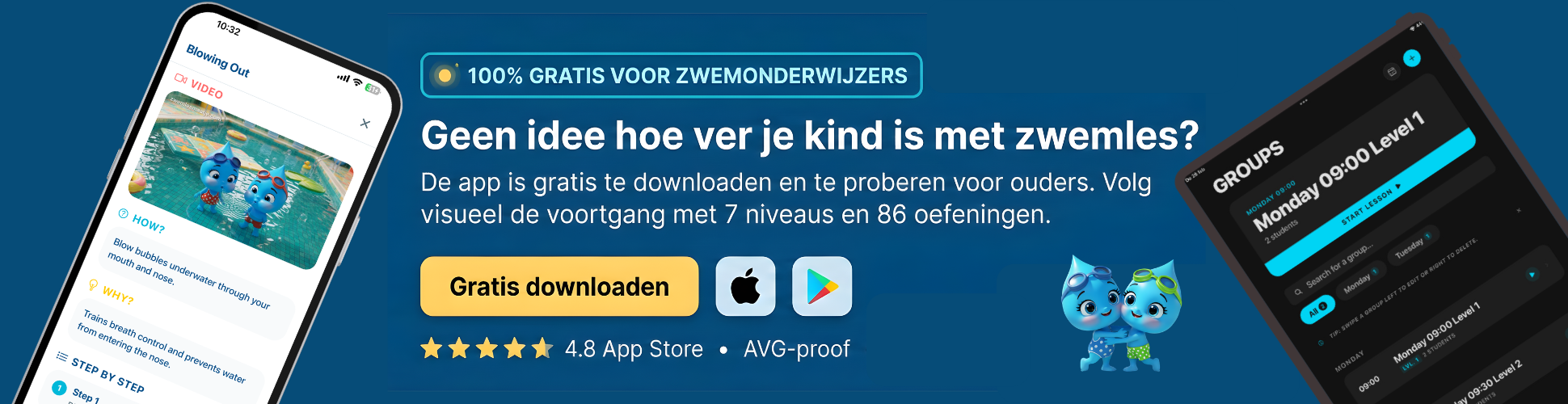
Zwemlesmaatje is an independent app that allows you to track, assess, and celebrate swimming progress — whether you are a parent, adult swimmer, or instructor. You are not dependent on the swim school but keep control yourself.
For parents, the app offers a clear learning path of 7 levels (from Red to Gold) with 86 exercises. You assess each exercise with a simple scoring system (0 to 6) and receive a personal swimming certificate for each achieved level. This way, you can see at a glance where your child stands and what still needs to be worked on.
Adults who want to learn (better) swimming use Zwemlesmaatje discreetly and without group pressure. The app provides structure, divides the learning process into manageable steps, and helps overcome insecurity. You train at your own pace, whenever it suits you.
Swim schools and instructors use Zwemlesmaatje completely free as a digital system for student administration, schedules, and progress. Parents see their child's development in real time — without you having to do any work. A handy Marketing Toolbox also helps you create professional flyers, social media posts, and certificates.
Discover now how Zwemlesmaatje supports your swimming journey.
2. The Importance of a Routine
A fixed routine around swimming lessons helps children feel safe and familiar.
Through fixed times, recognizable rituals, and predictability, there is less resistance.
This chapter explains why a routine is important and how it contributes to a calm swimming lesson experience.
Fixed Times and Structure
Scheduling swimming lessons on fixed days and times gives children clarity.
They know what to expect and when to prepare.
This structure prevents last-minute stress and makes it easier to fit swimming into the weekly rhythm.
An example is swimming lessons every Wednesday afternoon, making it a fixed part of the week.
Rituals Before Swimming Lessons
Rituals before swimming lessons provide recognition and calm for children.
This can be, for example, laying out swimming gear together or a fixed moment to have a drink before the lesson.
Such habits make the transition to the swimming lesson predictable and less stressful.
A child can concentrate better and feels more comfortable in the pool.
Safety Through Predictability
Predictability contributes to a feeling of safety during swimming lessons.
Children know what will happen and experience less uncertainty.
This reduces resistance and promotes a positive attitude towards the lesson.
A fixed routine also helps regulate emotions better, supporting the learning process.
3. Keeping It Playful and Fun
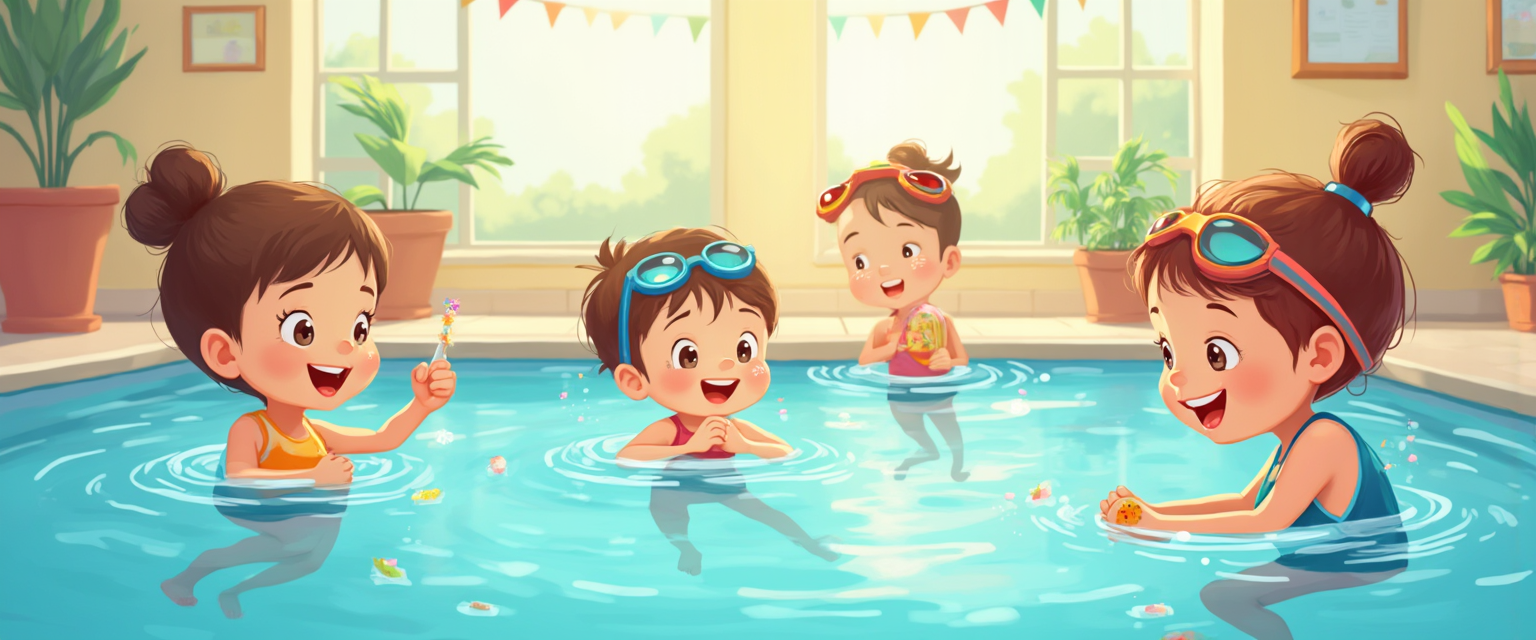
In this chapter, you will read how swimming remains fun and attractive for children. We discuss the importance of playful exercises, swimming together with friends, and using small rewards. This way, motivation is naturally maintained.
Games and Favorite Exercises
By adding games and favorite exercises, swimming stays fun and challenging. Children can, for example, choose which exercises they prefer during the lesson. This gives them a sense of influence and enjoyment.
Game forms such as relays or water polo elements make the lesson varied. This makes practicing skills less boring and more of an adventure. It helps children keep practicing with enthusiasm.
Swimming Together with Friends
Swimming together with friends increases motivation and enjoyment during the swimming lesson. Children often feel more confident and comfortable in a familiar group. This can also strengthen social skills.
Parents can encourage children to go to swimming lessons together or be in the same group. This makes it more fun for children to go to the lesson and helps them stay motivated. Friendship can thus have a positive influence on the learning process.
Rewards for Effort
Small rewards for effort and perseverance encourage children to keep going. These can be stickers, compliments, or a small gift. The focus is mainly on recognizing the effort, not just the result.
By regularly showing appreciation, children feel seen and motivated. This strengthens their self-confidence and makes practicing more enjoyable. Swimming thus becomes a positive experience that children want to continue.
4. Setting and Tracking Goals
In this chapter, we discuss how parents can set and track goals for swimming lessons. We explain how collaboration with instructors helps align these goals. Additionally, we cover how the child's progress can be made transparent.
Short- and Long-Term Goals
It is important to formulate both short- and long-term goals for swimming lessons. Short-term goals can be mastering a specific swimming stroke. Long-term goals focus on obtaining a diploma or increasing confidence in the water.
Having these goals clear makes the learning process more manageable. It helps children make progress step by step. This keeps it achievable and motivating.
Collaborating with Instructors
Good collaboration with the swim teacher is essential to make goals realistic and appropriate. Instructors know the child's level and possibilities best. They can advise which skills have priority and when it is time for the next step.
By maintaining regular contact, parents and instructors can align expectations. This prevents confusion and ensures a joint approach. This keeps the swimming lesson tailored to the child's needs.
Making Progress Transparent
Tracking progress makes the learning process visible and transparent. Digital systems or a simple notebook can help with this. This way, parents can see which skills are already mastered and where attention is still needed.
By regularly discussing progress with the child and instructor, everyone stays involved. This encourages the child to stay motivated and gives parents confidence in the process. A clear overview of progress also helps in setting new goals.
5. Dealing with Challenges
In this chapter, we discuss how parents can deal with practical challenges around swimming lessons.
We cover scheduling time and energy, options for large groups, and the importance of good communication with the swim school.
This gives you tools to calmly and effectively track swimming lesson progress.
Time and Energy Management
Scheduling swimming lessons requires attention to the child's available time and energy.
Make sure the child is not too tired or hungry before the lesson, for example by giving a light snack.
Take other activities into account and avoid overly full days around swimming lesson times.
A calm preparation helps the child participate in the lesson with more pleasure and focus.
Alternatives for Large Groups
Group lessons can sometimes be overwhelming, especially with large groups of many children.
If the child struggles with group dynamics, a smaller group or private lesson can be a good alternative.
These options offer more personal attention and can increase self-confidence.
Inquire at the swim school about available lesson formats that better suit your child's needs.
Communication with Swim School
Open and clear communication with the swim school is important to properly follow progress.
Regularly discuss with the instructor how things are going and which goals are achievable.
This way, you can jointly determine what works best for the child and address any concerns in time.
This promotes positive cooperation and supports the learning process.

Summary
Summary of Practical Tips for Parents in Swimming Lessons
Parents receive tools to calmly and effectively track swimming lesson progress. Planning time, energy, and good communication with the swim school are essential.
A child should not be too tired or hungry before the lesson. A light snack and calm preparation provide more enjoyment and focus.
Setting Goals and Tracking Progress
It is important to formulate short- and long-term goals for swimming lessons. This makes the learning process clear and motivating for children.
Collaboration with instructors helps align goals. This makes swimming lesson progress transparent and achievable.
Maintaining Motivation and Routine
Playful exercises and swimming together with friends keep swimming fun and challenging. Variety prevents children from becoming less enthusiastic.
A fixed swimming lesson routine provides clarity and less stress. This contributes to a calm and familiar swimming lesson experience.
Dear reader, this blog post was about calmly tracking swimming lesson progress as a parent.
We would love to hear if you have experience with following swimming lessons and what works well for you. Feel free to leave a comment below this article.
You can try Zwemlesmaatje for free via https://zwemlesmaatje.com.
Thank you for reading and sharing your experiences.

Bob van Soest
As an expert in operating sports facilities (such as swimming pools) and developer of, among others, Zwemlesmaatje.com, I am passionately committed to making swimming lessons simpler, more fun and more insightful for parents, swimming instructors and everyone who wants to learn to swim.