WhentoStartPlanningSwimmingLessonsforBabies
Summary
- Good preparation and a relaxed atmosphere are crucial for baby swimming.
- Small groups, professional supervision, and correct temperature ensure safety.
- Digital tracking system improves insight, planning, and quality of swimming lessons.
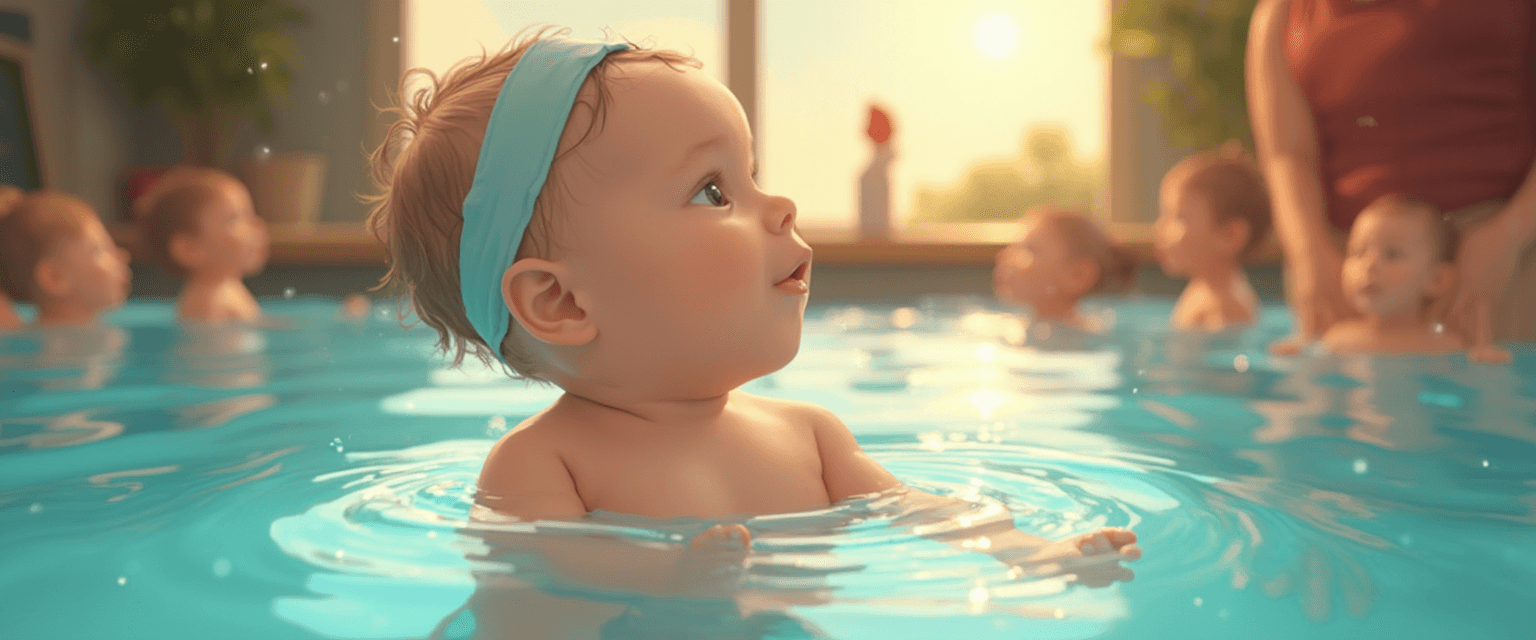
Planning swimming lessons for babies requires a thoughtful approach. The right time to start depends on various factors, such as the baby's health and practical considerations around scheduling swimming lessons.
In this article, we discuss the key considerations for starting baby swimming. We cover aspects such as recommended ages, safety, and the organization of the lessons. Additionally, we provide insight into how parents and instructors can work together to create a safe and pleasant swimming environment.
This information helps in making a well-informed decision about the beginning of the swimming lesson phase for young children.
1. Benefits of Baby Swimming
Baby swimming offers various benefits for the development of young children. It stimulates both physical growth and emotional well-being. Additionally, it strengthens the bond between parent and child during swimming together.
Physical Development of Babies
Baby swimming contributes to the physical development of babies by encouraging movement in the water. It helps practice motor skills such as turning, kicking, and floating. Due to the resistance of the water, muscles are gently strengthened. This promotes the baby's coordination and sense of balance.
Furthermore, swimming supports breathing and heart function. The movements in the water improve blood circulation. Thus, baby swimming contributes to healthy physical growth.
Psychological Benefits
Besides physical benefits, baby swimming also has psychological effects. Getting used to water and experiencing new stimuli can increase the baby's self-confidence. Through play and attention during swimming, babies feel safe and secure. This stimulates positive emotional development.
The calm environment and contact with the parent provide relaxation. Baby swimming also helps reduce stress and promotes good sleep. The water offers a playful and stimulating environment for the baby.
Strengthening Parent-Child Bond
Baby swimming strengthens the parent-child bond through intensive contact in the water. During swimming, there is a lot of skin-to-skin contact and eye contact. This promotes attachment and trust between parent and child. Parents learn to better sense and support their baby in the water.
The shared activity provides fun and relaxation. This contributes to a positive relationship and a feeling of safety. Swimming thus becomes a valuable moment of togetherness and attention.
What is Zwemlesmaatje?
Zwemlesmaatje is an independent app that allows you to track, assess, and celebrate swimming progress — whether you are a parent, adult swimmer, or instructor. You are not dependent on the swim school but keep control yourself.
For parents, the app offers a clear learning path of 7 levels (from Red to Gold) with 86 exercises. You assess each exercise with a simple scoring system (0 to 6) and receive a personal swimming certificate for each level achieved. This way, you can see at a glance where your child stands and what still needs work.
Adults who want to learn (better) swimming use Zwemlesmaatje discreetly and without group pressure. The app provides structure, breaks the learning process into manageable steps, and helps overcome insecurity. You train at your own pace, whenever it suits you.
Swim schools and instructors use Zwemlesmaatje completely free as a digital system for student administration, schedules, and progress. Parents see their child's development in real time — without you having to do any work. A handy Marketing Toolbox also helps you create professional flyers, social media posts, and certificates.
Discover now how Zwemlesmaatje supports your swimming journey.
2. Determining the Right Starting Time
Determining the right starting time for baby swimming depends on several factors. Recommended starting age, the baby's health and resistance, and the timing of vaccinations all play an important role. In this chapter, you will find practical information about these three aspects.
Recommended Starting Age
The recommended starting age for baby swimming is usually around three months. At this age, babies can better regulate their body temperature, and the risk of infections is lower. However, some babies are more sensitive to stimuli and therefore start a little later. It is important to consider the individual development and comfort of the baby.
Additionally, it is wise to consult a pediatrician if there are doubts about the right moment. Starting baby swimming from three months provides a good foundation for later swimming skills and water confidence. The starting age is thus a guideline, not a strict rule.
Health and Resistance
The baby's health and resistance are crucial when determining the starting time. Babies should not participate in swimming lessons if they are ill, for example with fever, infections, or open wounds. Also, after a vaccination, it is wise to wait until the baby feels well again.
Premature babies often have different resistance and development. For them, it is important to follow medical advice before starting baby swimming. Good health ensures a pleasant and safe swimming experience.
Vaccinations and Timing
Vaccinations play a role in the timing of starting baby swimming. It is not necessary to wait until all vaccinations are completed. However, it is recommended to wait a few days after a vaccination before the baby swims again. This gives the body time to recover and process any side effects.
If the baby develops symptoms after a vaccination, such as fever or lethargy, it is better to postpone the swimming lesson. In case of doubt, always consult the general practitioner or child health clinic. This prevents unnecessary strain on the baby.
3. Safety and Hygiene Aspects
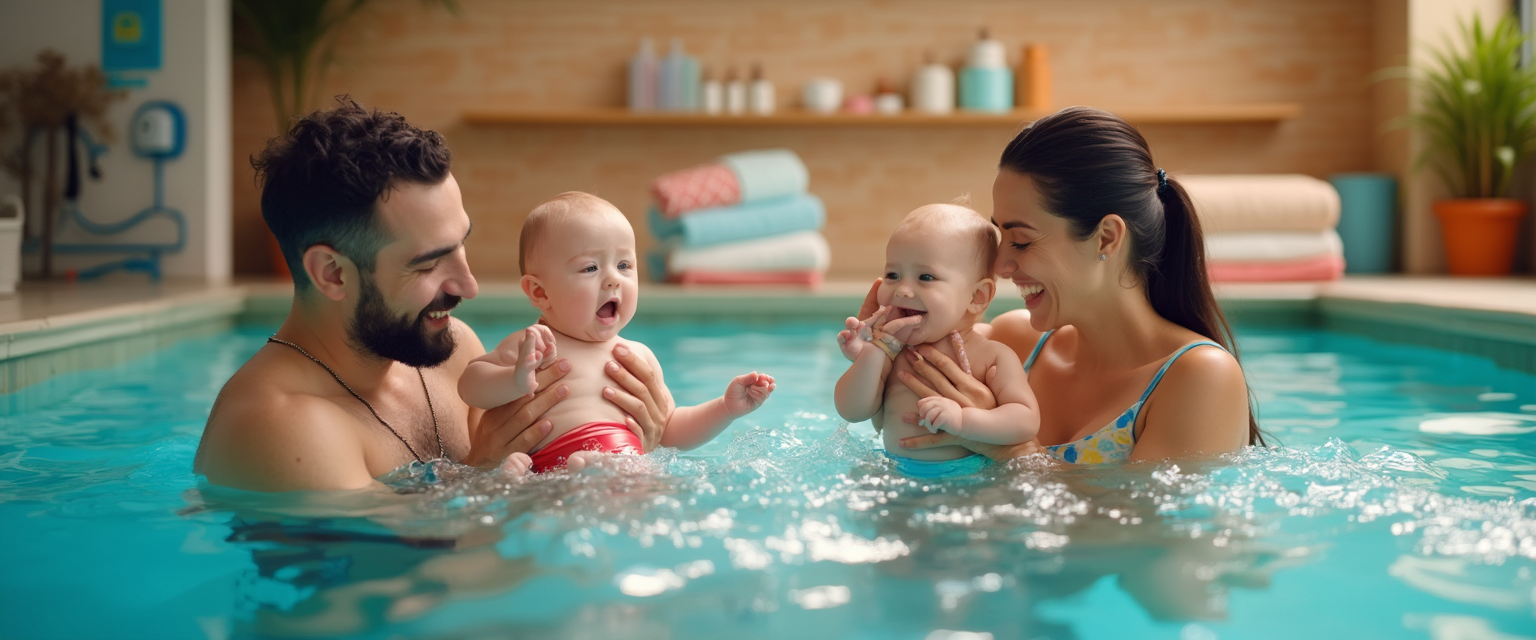
When planning swimming lessons for babies, safety and hygiene are essential. This chapter covers the importance of swim diapers, avoiding swimming aids during lessons, and practical tips for illness or injuries. This way, parents and instructors together ensure a safe and healthy swimming environment.
Use of Swim Diapers
The use of swim diapers is indispensable in baby swimming. These diapers are specially designed not to absorb water, keeping them light and reducing the risk of drowning.
Regular diapers become heavy and can come loose in the water, which is dangerous. Swim diapers come in disposable and washable varieties and are easily available. They also contribute to hygiene in the pool by preventing contamination.
Avoiding Swimming Aids
During organized baby swimming lessons, swimming aids such as armbands or floaties are not used. This encourages learning natural movements and proper support methods by the instructor.
Using these aids can give a false sense of security and disrupt the learning process. They may only be mandatory when swimming independently outside the lesson. This keeps the focus during the lesson on developing confidence and skills without aids.
Tips for Illness and Injuries
In case of illness or injuries, it is important to temporarily avoid baby swimming. Swimming with fever, infections, open wounds, or directly after vaccinations can delay recovery and affect the health of other children.
Premature babies receive advice from their doctor about when they can start. Parents are advised to closely monitor their baby's health and contact the swim school or doctor if in doubt. This keeps swimming a safe and enjoyable experience.
4. Organization of Swimming Lessons
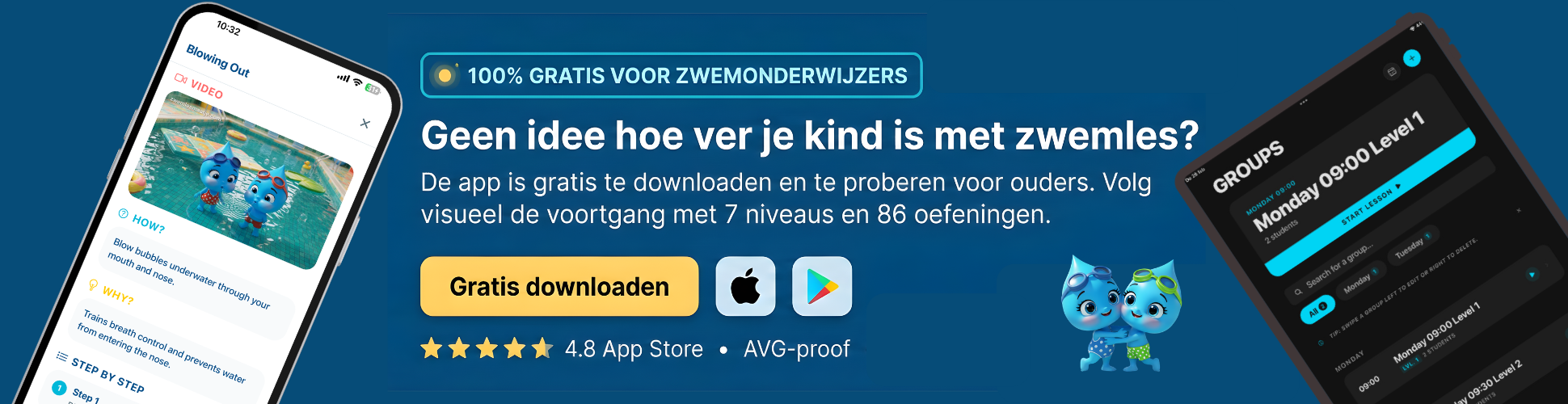
The organization of baby swimming lessons requires attention to various practical aspects. These include group size and supervision, the right water temperature, and the necessary materials. These elements together ensure a safe and comfortable swimming experience for baby and parent.
Group Lessons and Supervision
Baby swimming is usually offered in groups. This ensures professional supervision by experienced instructors who know how to best support parents and babies. In a group, parents also learn from each other, and social interaction arises for both children and adults. The group size is often limited to guarantee personal attention.
The instructor gives clear instructions on how to hold and support the baby. This helps stimulate the baby's natural reflexes without using aids such as floaties. This optimally ensures safety and the learning process.
Water Temperature and Environment
The water temperature is an important part of the swimming lesson organization. For baby swimming, it is usually between 31 and 33 degrees Celsius. This temperature is pleasant and prevents the baby from getting too cold during swimming. A constant temperature contributes to the baby's comfort and relaxation.
Additionally, the environment around the pool is often adapted to avoid drafts and create a calm atmosphere. This helps to put the baby at ease and increase swimming enjoyment. A well-heated room and warm surroundings are therefore essential.
Essentials for Baby Swimming
Some specific essentials are necessary for baby swimming. Swim diapers are indispensable because regular diapers absorb water and become heavy, which can be unsafe. Swim diapers are available in disposable and washable versions and ensure hygiene and safety in the water.
Furthermore, it is important to bring swimwear, towels, regular diapers, wipes, and possibly food. A bathrobe or warm clothing for after swimming is also handy. These items ensure the swimming lesson runs smoothly and the baby remains comfortable before, during, and after swimming.
5. Preparation and Expectations
In this chapter, we discuss how parents and babies can prepare for baby swimming. We also explain the goals of the learning process and what follows after the baby swimming lessons. This gives you a clear picture of what to expect during this phase.
Preparation of Parents and Baby
Parents can prepare by laying out the right swimming gear, such as a swim diaper and comfortable swimwear for the baby. It is important to calm the baby before the lesson, for example by feeding beforehand and creating a relaxed atmosphere. During the lesson, parents learn how to safely and calmly support their baby in the water. This builds trust for both parent and child.
Additionally, it helps to inquire beforehand about the lesson setup and instructions from the swim school. This prevents surprises and makes it easier to manage expectations. Good preparation contributes to a positive experience for everyone.
Goals and Learning Process
The learning process focuses on getting used to water and stimulating the baby's natural reflexes. Through play and movement, the baby learns to move more freely and gains confidence in the water. The emphasis is not on certificates but on fun and development.
During the lessons, parents learn how to support their baby without aids such as floaties. This promotes a natural posture and movement in the water. The goal is to lay a solid foundation for later swimming lessons.
Follow-up After Baby Swimming
After the baby swimming lessons, parents can continue the water experience by swimming together regularly. This strengthens water familiarity and the parent-child bond. The baby can also continue developing motor skills and self-confidence.
As the baby grows older, they can transition to toddler or preschool swimming with more focus on swimming technique. It is good to make the transition gradually and keep paying attention to the child's comfort and interest. This keeps swimming a positive experience.

Summary
Summary of Baby Swimming: Preparation, Organization, and Benefits
Baby swimming starts with good preparation of parents and baby. Laying out swimming gear and creating a relaxed atmosphere are important for a positive start.
The organization of baby swimming lessons focuses on small groups, professional supervision, and a suitable water temperature. This ensures safety and comfort during the lessons.
Safety and hygiene are essential in baby swimming. The use of swim diapers prevents contamination and contributes to a healthy swimming environment.
The right starting time depends on the baby's age, health, and vaccinations. Around three months is usually suitable, but individual factors are decisive.
Baby swimming stimulates the physical development and emotional well-being of the baby. It strengthens motor skills and promotes healthy growth.
Why a Digital Tracking System Helps
A digital tracking system makes swimming lesson progress transparent for parents and instructors. It provides an overview of lesson content, attendance, and development.
With the system, instructors can easily add notes and adjust the swimming lesson planning. This increases the efficiency and quality of swimming education.
Dear reader, this blog post was about the right time to start planning swimming lessons for babies.
We would love to hear if you have experience with planning swimming lessons for young children. Feel free to leave a comment below this article.
You can try Zwemlesmaatje for free via https://zwemlesmaatje.com. We wish you much success in planning the swimming lessons.

Bob van Soest
As an expert in operating sports facilities (such as swimming pools) and developer of, among others, Zwemlesmaatje.com, I am passionately committed to making swimming lessons simpler, more fun and more insightful for parents, swimming instructors and everyone who wants to learn to swim.
Frequently Asked Questions
Related articles


Discover Zwemlesmaatje
The all-in-one app for swimming lesson progress. For parents, swim schools, and adult swimmers.