ChoosingtheBestSwimmingLessonLevelforYoungBeginners
Summary
- Timely registration and parent-swimming school cooperation improve swimming lesson planning.
- Zwem-ABC diplomas A, B, C with increasing difficulty and safety.
- Digital tracking system provides insight into progress and supports personalized lessons.
Choosing the right swimming lesson level for young beginners is essential for a good start in the water. Parents and swimming instructors need clear guidelines to align the swimming lesson planning with the child's development.
In this article, we discuss how to determine the appropriate age and the right level. We cover the differences between swimming lessons for young children and baby swimming, and explain why water confidence and self-reliance are important.
Additionally, we offer practical advice for enrolling and collaborating with swimming schools. This creates a clear picture of the steps needed for a successful start to swimming lessons.
1. Introduction to swimming lessons for young children
In this chapter, we discuss the importance of swimming lessons for young children. We explain the purpose of swimming lessons at a young age and how these differ from baby swimming. We also cover why water confidence and self-reliance are essential for young beginners.
Purpose of swimming lessons at a young age
The purpose of swimming lessons at a young age is primarily to develop confidence in the water. Children learn to feel comfortable and acquire simple skills such as floating and going underwater. This forms the basis for later swimming techniques and safety.
Additionally, swimming lessons help improve motor skills and teach self-reliance in the water. It is important that children get acquainted with water in a playful and safe way.
Difference between baby swimming and swimming lessons
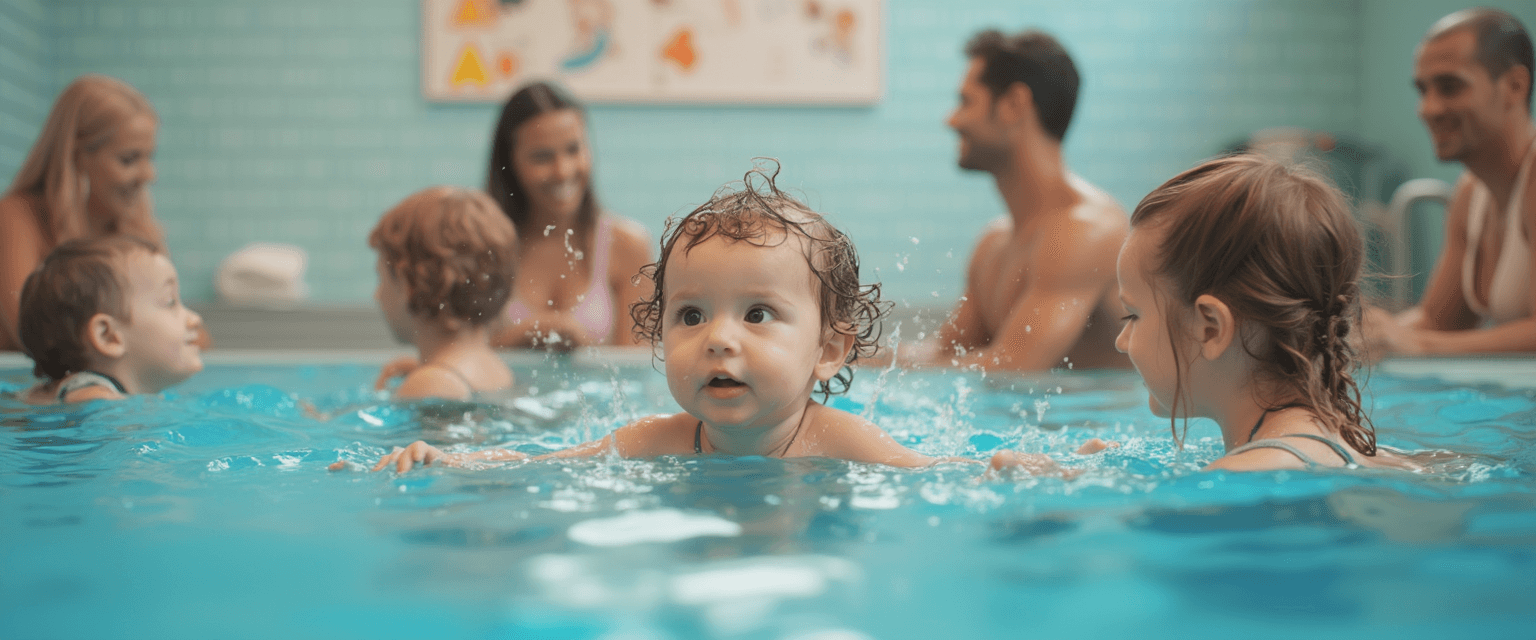
There is a clear difference between baby swimming and swimming lessons for young children. Baby swimming focuses on water familiarization and building trust together with a parent. The emphasis is on fun and contact, not on learning swimming strokes.
Regular swimming lessons usually start from around 4.5 years old and focus on learning to swim independently. The emphasis is then on technique and obtaining official diplomas.
Importance of water confidence and self-reliance
Water confidence means that a child can move freely and safely in the water without fear. This is an important step before formal swimming lessons begin. Self-reliance is about being able to react in unexpected situations, such as floating or keeping oneself afloat.
Parent-child swimming lessons are a good way to develop these skills. This builds the child's confidence and lays the foundation for further swimming abilities.
What is Zwemlesmaatje?
Zwemlesmaatje is an independent app that allows you to track, assess, and celebrate swimming progress — whether you are a parent, adult swimmer, or instructor. You are not dependent on the swimming school but keep control yourself.
For parents, the app offers a clear learning path of 7 levels (from Red to Gold) with 86 exercises. You rate each exercise with a simple scoring system (0 to 6) and receive a personal swimming certificate for each achieved level. This way, you can see at a glance where your child stands and what still needs to be worked on.
Adults who want to learn (better) swimming use Zwemlesmaatje discreetly and without group pressure. The app provides structure, breaks the learning process into manageable steps, and helps overcome insecurity. You train at your own pace, whenever it suits you.
Swimming schools and instructors use Zwemlesmaatje completely free as a digital system for student administration, schedules, and progress. Parents see their child's development in real time — without you having to do any work. A handy Marketing Toolbox also helps you create professional flyers, social media posts, and certificates.
Discover now how Zwemlesmaatje supports your swimming journey.
2. Determining the right level and age
In this chapter, we discuss how to determine the right swimming lesson level and suitable age for young beginners.
We cover the recommended starting age for the A diploma, signs that a child is ready for swimming lessons, and the influence of motor and cognitive development.
This information helps parents and instructors make an appropriate start with swimming lessons.
Recommended starting age for A diploma
The recommended starting age for swimming lessons aimed at obtaining the A diploma is between 4.5 and 5 years.
At this age, children are usually cognitively and motorically developed enough to learn the skills required for the diploma.
Younger children may struggle with the complexity of the exercises and the concentration needed during lessons.
For children under this age, parent-child swimming lessons or survival swimming are good options to build water familiarity.
Signs that a child is ready
Signs that a child is ready for swimming lessons include being able to follow simple instructions and showing comfort in a group.
It is also important that the child has little fear of water and is curious to learn to swim.
If a child is still insecure, parent-child lessons can help increase confidence before starting formal swimming lessons.
These signs provide a good indication that the child can process the swimming lesson material and actively participate.
Influence of motor and cognitive development
The motor and cognitive development of a child plays a major role in determining the right swimming lesson level.
Motor-wise, children need sufficient coordination and strength to practice swimming techniques.
Cognitively, it is important that they understand and can apply simple instructions during the lesson.
These developmental aspects vary per child, so the starting age can vary somewhat.
3. Water familiarity and early swimming
In this chapter, we discuss how young children can become familiar with water through parent-child swimming lessons and baby swimming. We explain what survival swimming and water confidence mean for the development of young children. Additionally, we indicate when it is wise to switch to formal swimming lessons aimed at obtaining swimming diplomas.
Parent-child swimming lessons and baby swimming
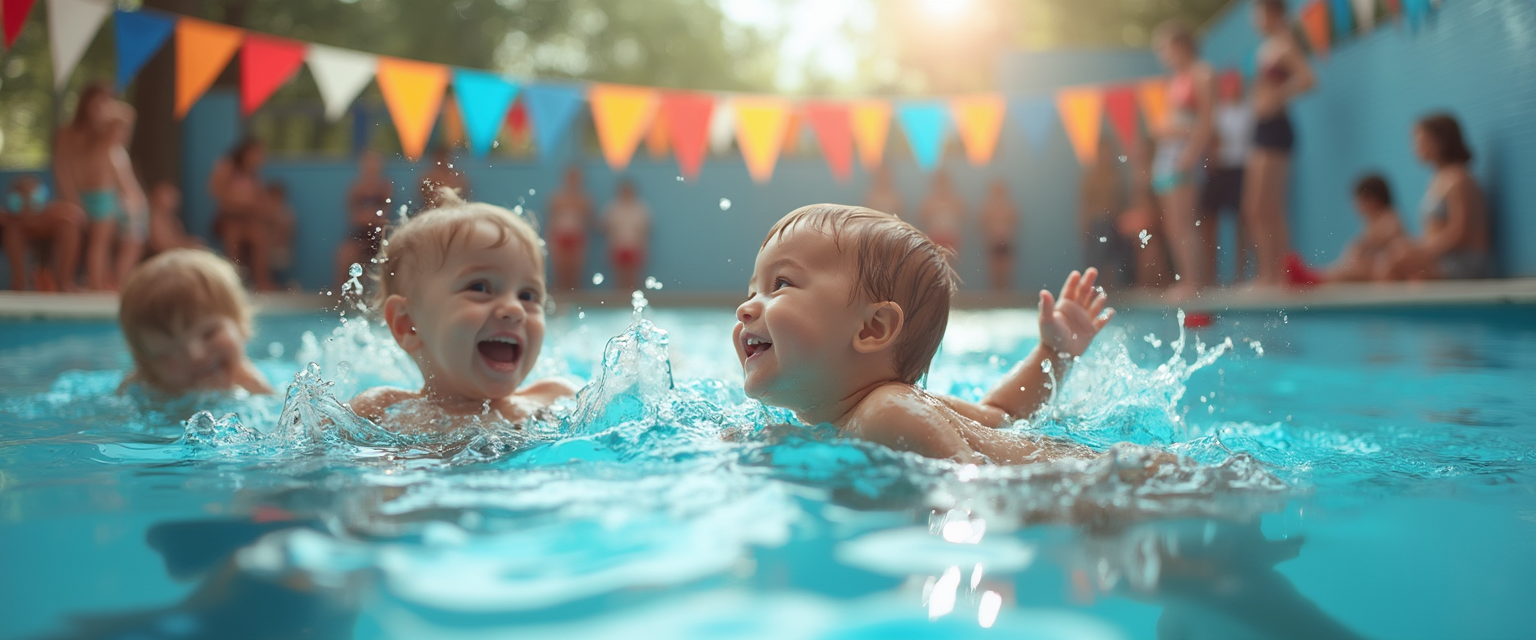
Parent-child swimming lessons and baby swimming are intended for children from 0 to about 4 years old. The focus is on getting used to water together and building trust, often with a parent in the water. These lessons focus on developing water confidence and basic skills such as floating and going underwater. It is not formal swimming lessons but helps children become familiar with water in a playful way.
Baby swimming can start from about 3 months and promotes the bond between parent and child. The lessons focus on fun and safety, not on learning swimming strokes. Such an early introduction can lay the foundation for later swimming lessons. It is important that parents actively participate and are attentive to their child's signals.
Benefits of survival swimming and water confidence
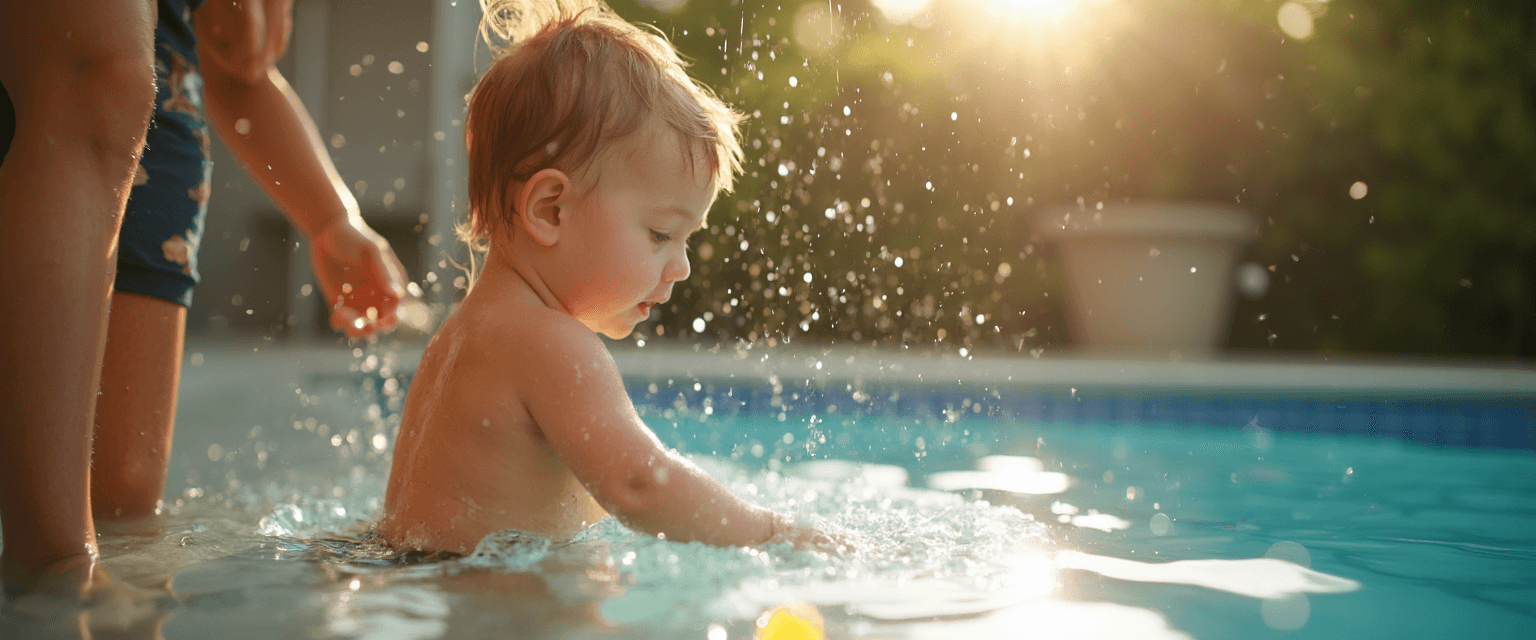
Survival swimming focuses on teaching self-reliance in and around water. This means children learn to float, turn around, and climb out of the water. These skills increase water confidence and the self-confidence of young children. Survival swimming can be offered from a young age, often combined with parent-child lessons.
Through these early water experiences, children become less afraid and develop a better sense of their own body in the water. This makes the transition to formal swimming lessons easier later on. Survival swimming is therefore a valuable preparation for real swimming and contributes to safety.
When to switch to formal swimming lessons
The switch to formal swimming lessons for the A diploma is usually recommended around 4.5 to 5 years. At this age, children are cognitively and motorically better able to learn swimming techniques and follow instructions. It is important that the child is comfortable in the water and shows little fear.
If a child is not yet ready, parent-child lessons or survival swimming can be a good intermediate step. This way, the child continues to build confidence and water skills. Formal swimming lessons are structured and focused on obtaining diplomas, which is only effective if the child is sufficiently water confident.
Parents and instructors can jointly assess when the right time is to start these lessons, taking into account the child's development and temperament.
4. Swimming lesson programs and diplomas
In this chapter, we discuss the structure of the Zwem-ABC diplomas and the differences between the A, B, and C diplomas.
Additionally, we explain why it is important to choose a swimming school with recognized certification.
This gives you a clear picture of the swimming lesson program and the quality you can expect.
Structure of Zwem-ABC diplomas
The Zwem-ABC consists of three diplomas: A, B, and C, each progressing further in swimming skills and safety.
The A diploma focuses on basic skills in a simple pool, such as floating, swimming, and going underwater.
After obtaining A, the B diploma teaches children to swim in pools with more challenges, such as slides and deeper water.
The C diploma is the most comprehensive and prepares children for safe swimming in open water, with attention to self-reliance and safety.
Differences between A, B, and C diplomas
The three diplomas mainly differ in swimming skills and the environment in which they are obtained.
Diploma A teaches children the basics of swimming and water safety in a calm pool.
Diploma B expands this with skills for pools with attractions and more depth.
Diploma C focuses on open water and is the national standard for swimming safety, emphasizing independent and safe swimming outside the pool.
Quality and certification of providers
In the Netherlands, anyone can give swimming lessons and issue diplomas, but not all providers are equal in quality.
A recognized swimming school is certified by the National Council for Swimming Safety, which guarantees good teaching methods and safety.
This certification also ensures uniform testing of swimming skills according to the Zwem-ABC.
Parents and schools are advised to choose a provider with this recognition to ensure the best swimming education.
5. Practical tips for parents and schools
In this chapter, you will find practical advice for parents and schools when choosing the right swimming lesson level for young beginners.
We discuss the importance of timely registration, possibilities for financial support, and collaborating with swimming schools and instructors.
These tips help to plan swimming lessons well and make them accessible to every child.
Registering early and preparing
It is wise to book swimming lessons well in advance, as popular swimming schools can fill up quickly.
Early registration also provides the opportunity to prepare the child calmly for the lessons, for example by going to the pool together.
This way, the child becomes familiar with the environment and the water, which supports the learning process.
Additionally, parents can gather information about the lesson program and the level that best suits their child.
Financial support options
For families who find the cost of swimming lessons difficult, there are various financial support options.
Municipalities sometimes offer schemes, and organizations such as 'Samen voor alle kinderen' and the 'Adult Fund Sports & Culture' can contribute.
It is advisable to inquire about this in time so that children do not have to miss swimming lessons due to financial reasons.
This support makes swimming lessons more accessible and contributes to a safe swimming environment for all children.
Collaboration with swimming schools and instructors
Good collaboration between parents, schools, and swimming schools is important for a successful swimming lesson experience.
Open communication about the child's level and progress helps align expectations.
Swimming schools can advise on the right group composition and the pace of the lessons.
By working together, a supportive environment is created in which the child feels safe and motivated to learn to swim.

Summary
Summary of Choosing Swimming Lesson Level and Tracking Progress
Choosing the right swimming lesson level starts with timely registration and good cooperation between parents and swimming schools. This ensures calm preparation and better planning of swimming lessons.
The Zwem-ABC diplomas consist of three levels: A, B, and C, each with increasing difficulty and focus on swimming skills and safety. It is important to choose a swimming school with recognized certification for quality.
Parent-child swimming lessons and baby swimming help young children become familiar with water and develop water confidence. These lessons focus on fun and basic skills, not on obtaining diplomas.
The recommended starting age for swimming lessons aimed at obtaining the A diploma is between 4.5 and 5 years. Younger children are better off first participating in parent-child swimming lessons to build water familiarity.
Swimming lessons at a young age focus on developing confidence, motor skills, and self-reliance in the water. This forms the basis for later swimming techniques and safety.
Why a digital tracking system helps
A digital tracking system makes swimming lesson progress transparent for parents, instructors, and swimming schools. It provides an overview of lesson levels, attendance, and individual development.
With such a system, instructors can easily keep notes and tailor the swimming lesson planning to the needs of each child. This promotes a structured and transparent approach to swimming education.
Dear reader, in this blog post we have discussed choosing the best swimming lesson level for young beginners.
We would love to hear if you have experience determining the right swimming lesson level. Feel free to leave a comment below this article.
You can try Zwemlesmaatje for free via zwemlesmaatje.com. We hope you find it useful.

Bob van Soest
As an expert in operating sports facilities (such as swimming pools) and developer of, among others, Zwemlesmaatje.com, I am passionately committed to making swimming lessons simpler, more fun and more insightful for parents, swimming instructors and everyone who wants to learn to swim.
Frequently Asked Questions
Related articles


Discover Zwemlesmaatje
The all-in-one app for swimming lesson progress. For parents, swim schools, and adult swimmers.