AdjustingSwimmingLessonPlanningforSwimmingAnxiety
Summary
- Good preparation and family participation prevent swimming anxiety and build self-confidence.
- Flexible planning and private lessons adapt to the child's pace and needs.
- Water familiarization at home and recognizing anxiety ensure tailored and patient guidance.
This blog post titled "Adjusting Swimming Lesson Planning for Swimming Anxiety" was updated on date: .
Adjusting the swimming lesson schedule is often necessary when children experience swimming anxiety. This fear can slow down swimming lesson progress and requires a careful approach. Swimming lesson planning that takes into account the child's pace and needs helps build confidence.
In this article, we discuss recognizable signs of swimming anxiety and practical ways to tailor swimming lessons accordingly. Additionally, we cover alternatives such as home exercises and private swimming lessons that support the learning process.
We also pay attention to the importance of good communication between parents and instructors for coordinated guidance.
1. Recognizing Swimming Anxiety in Children
Swimming anxiety in children manifests in various ways and affects their swimming lesson progress. It is important to recognize this fear early and understand when extra attention is needed. This chapter discusses recognizable symptoms of anxiety, the impact on learning to swim, and signs for additional support.
Common Symptoms of Anxiety
Common symptoms of swimming anxiety include reluctance to go underwater and avoiding water activities. Children may also become visibly tense or restless in the pool. Sometimes the fear manifests as panic or crying during swimming lessons. These signals vary per child and can gradually increase.
Additionally, a child may struggle with breathing exercises or submerging their head. It is important to take these behaviors seriously and not force them. This creates space for trust and getting used to the water. Recognizing these symptoms helps to better tailor the swimming lesson to the child.
Impact on Swimming Lesson Progress
Swimming anxiety can slow down swimming lesson progress because the child is less willing to practice. This can lead to a delay compared to peers. The child may also enjoy swimming less, reducing motivation. Sometimes the anxiety causes stress for both child and parents.
The fear often affects the willingness to try new skills, such as swimming underwater or breathing exercises. This makes the learning process less smooth. Therefore, it is important to adjust the pace and celebrate small successes. This keeps the child motivated and gradually reduces the anxiety.
When Extra Attention Is Needed
Extra attention is needed when the anxiety prevents the child from participating in swimming lessons or water activities. Also, if the child regularly experiences panic, tailored guidance is important. This may mean adjusting the swimming lesson schedule or providing more individual support. The goal is to increase confidence in the water.
Signs for extra attention include refusing exercises and recurring stress reactions. It is advisable to discuss this with the swimming instructor and parents. Together, a plan can be made that matches the child's pace and needs. Early recognition prevents the anxiety from deepening.
What is Zwemlesmaatje?
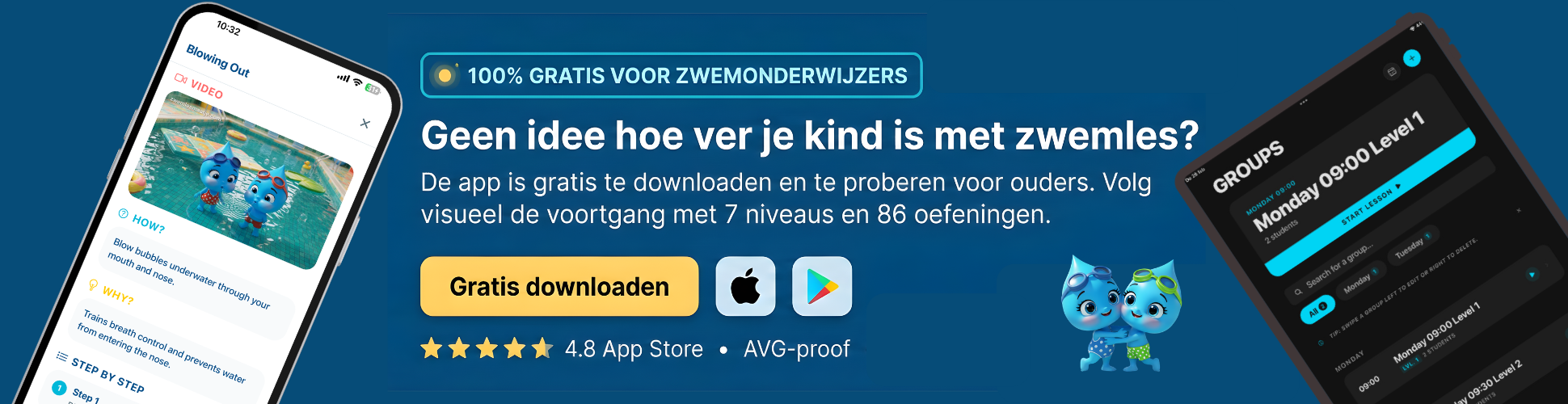
Zwemlesmaatje is an independent app that allows you to track, assess, and celebrate swimming progress — whether you are a parent, adult swimmer, or instructor. You are not dependent on the swim school but keep control yourself.
For parents, the app offers a clear learning path of 7 levels (from Red to Gold) with 86 exercises. You rate each exercise with a simple scoring system (0 to 6) and receive a personal swimming certificate for each achieved level. This way, you can see at a glance where your child stands and what still needs work.
Adults who want to learn (better) swimming use Zwemlesmaatje discreetly and without group pressure. The app provides structure, breaks the learning process into manageable steps, and helps overcome insecurity. You train at your own pace, whenever it suits you.
Swim schools and instructors use Zwemlesmaatje completely free as a digital system for student administration, schedules, and progress. Parents see their child's development in real-time — without you having to do any extra work. A handy Marketing Toolbox also helps you create professional flyers, social media posts, and certificates.
Discover now how Zwemlesmaatje supports your swimming journey.
2. Alternatives to Pool Learning
In this chapter, we discuss practical alternatives to swimming lessons in the pool. We explain how water familiarization can be encouraged at home, which games help with breathing exercises, and how muscle strength can be trained without water. These methods prepare children in a playful and calm way for swimming.
Encouraging Water Familiarization at Home
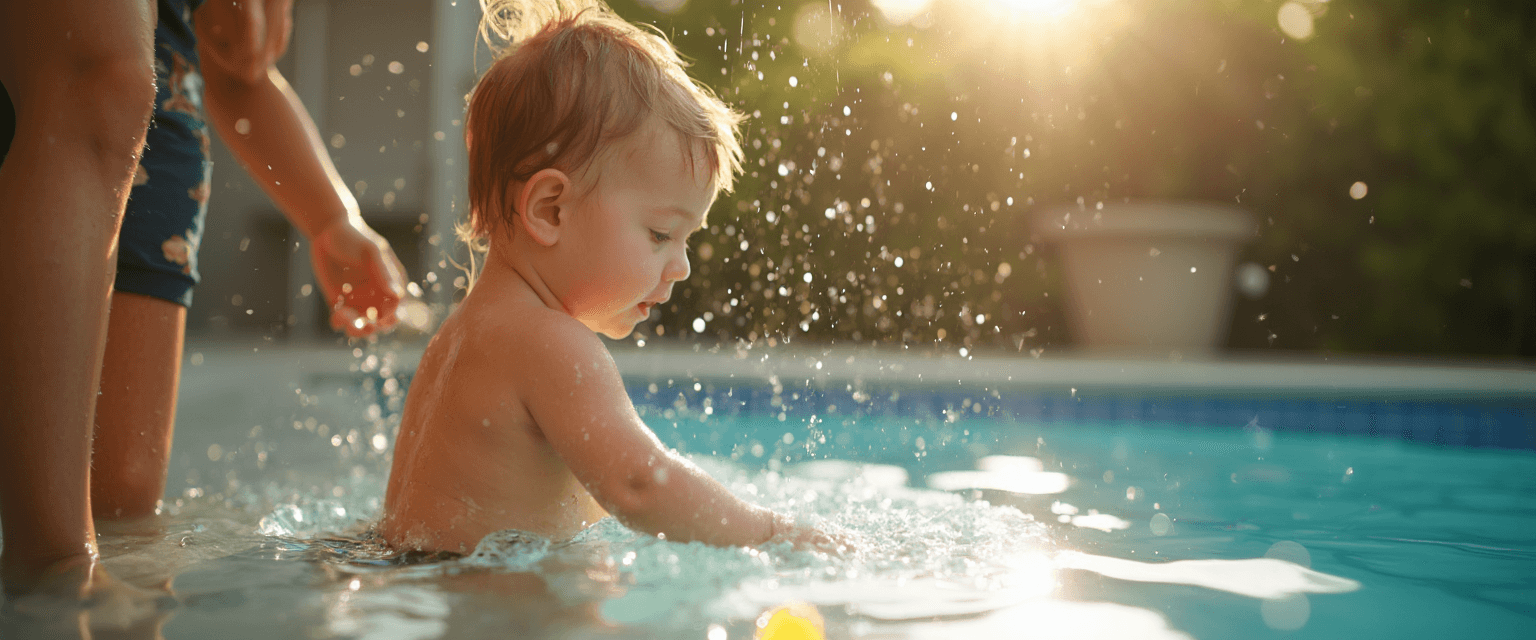
Water familiarization at home starts with simple activities in the bathroom or garden. For example, splashing together in the bath or pouring water over the arms with a watering can. This makes contact with water familiar and less scary. Parents can also have water fun with the child, such as floating balls in the water and retrieving them.
By regularly practicing short moments with water, the child gets used to being wet. This slowly builds confidence without the pressure of a pool environment. It is important that the experience remains positive and playful so the child enjoys water contact.
Games for Breathing Exercises
Breathing exercises can be practiced playfully without a pool. For example, blowing bubbles in a container of water or blowing underwater with a straw. This helps children control their breathing and become familiar with the feeling of holding their breath.
Talking or making sounds underwater can also help the child become less anxious. These exercises improve breath control, which is essential for swimming. Practicing at home makes the step to water submersion smaller.
Muscle Strength Exercises Without a Pool
Muscle strength is important for swimming and can also be trained without a pool. Movement games such as making frog sounds, jumping, or moving arms and legs stimulate the necessary muscles. This can be done indoors or outdoors, for example in the garden or living room.
Exercises that strengthen the torso and arms, such as moving on hands and knees or small ball games, prepare the child for swimming movements. This way, the child builds strength and coordination without being directly in the water. This increases self-confidence during the first swimming lessons.
3. Role of Private Swimming Lessons
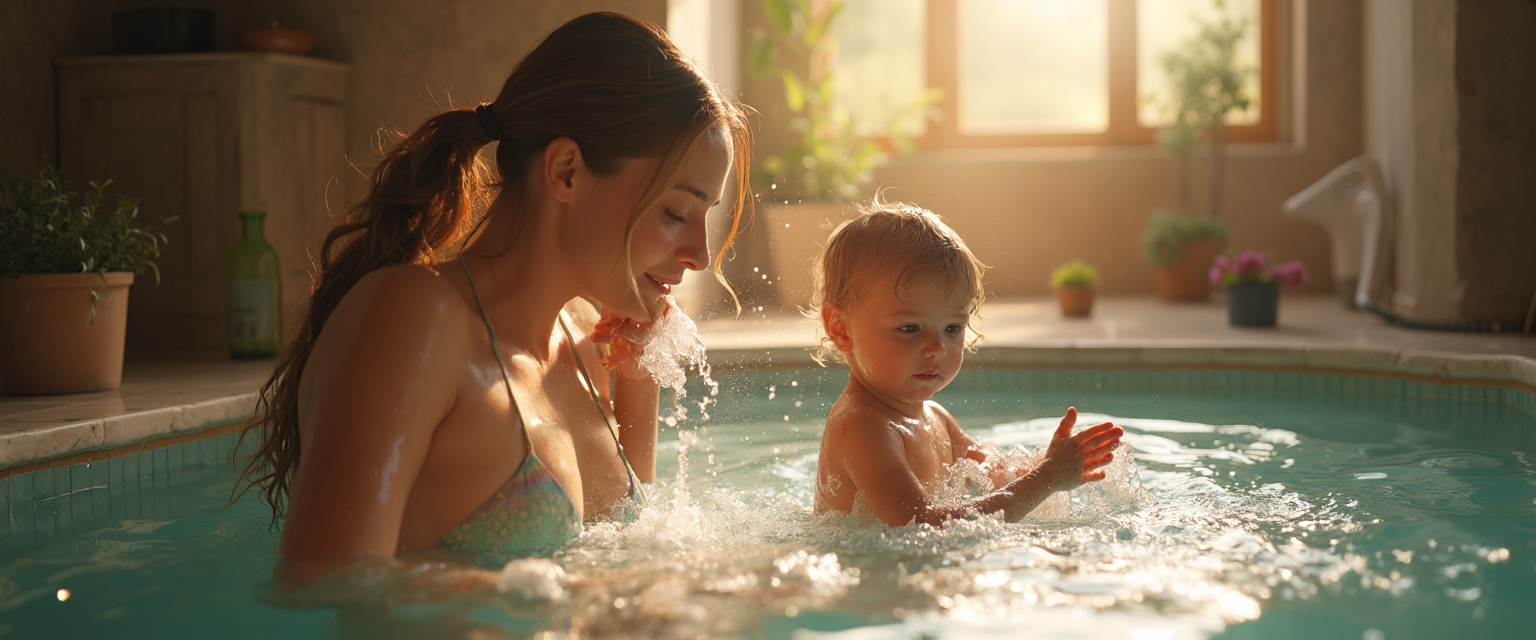
Private swimming lessons offer a calm environment with personal guidance. They often require more patience and time but ensure a better match with the child's pace. Additionally, cooperation with parents at home is essential to effectively address swimming anxiety.Benefits of Personal Attention
Private swimming lessons give the child personal attention that is often missing in group lessons.
The instructor can fully tailor the lesson to the child's needs and fears. This creates more trust and space to make progress in small steps. For example, extra time can be taken to calmly get used to the water without pressure from peers.
This approach helps children who have difficulty with large groups or fast lesson methods. Individual guidance makes it possible to repeat and adjust specific exercises.
Waiting Time and Patience
With private swimming lessons, it is important to be patient and respect the waiting time. Swimming anxiety does not disappear from one lesson to the next.
The child's pace determines the progress; sometimes multiple lessons are needed before the child feels comfortable. This requires endurance and understanding from parents and instructors for small steps. For example, a child may first get used to the water surface alone before daring to go underwater.
This calm approach gradually reduces anxiety and builds self-confidence.
Cooperation with Parents at Home
Good cooperation between swim school and parents is crucial to reduce swimming anxiety. At home, parents can repeat exercises and games from the lesson.
This strengthens confidence and makes the child familiar with water in a safe environment. For example, parents can blow bubbles or play small water games with the child in the bath or shower.
By being actively involved, children feel supported and swimming lessons become an extension of the home situation. This creates a coherent approach that promotes the learning process.
4. Making Swimming Lesson Planning Flexible
A flexible swimming lesson plan helps children with swimming anxiety make progress at their own pace.
Home exercises can support the swimming experience and make water familiar.
Good communication between parents and instructors ensures coordination and understanding during the learning process.
Adjusting to the Child's Pace
It is important to respect the child's pace and not rush.
By taking small steps, such as first getting used to water contact without pressure, the child builds confidence.
An example is starting with playing in shallow water before trying to go underwater.
This keeps the swimming lesson positive and gradually reduces anxiety.
Integration of Home Exercises
Exercises at home can complement swimming lessons and provide extra familiarity with water.
Games such as blowing bubbles in the bath or splashing water make contact with water playful and accessible.
Additionally, breathing exercises and light muscle training help prepare the body for swimming.
Parents can do these activities together with the child, which increases motivation.
Communication with Parents and Instructors
Regular coordination between parents and swimming instructors is essential to properly monitor progress.
By openly communicating about fears and successes, the lesson program can be adjusted where needed.
This prevents unnecessary pressure and ensures a joint approach.
This way, the child feels supported and learning continues pleasantly.
5. Preventing Future Swimming Trauma
Preventing future swimming trauma starts with good preparation for water contact. It is important that children become familiar with water positively at a young age. Additionally, family involvement and maintaining motivation play a big role in building self-confidence.
Encouraging Early Water Contact
Encouraging early water contact helps children get used to water naturally. This can be done by playing games in a small tub or under the shower, where the child can calmly get used to the feeling of water on the body. It is important that these activities are playful and pressure-free so the child has positive experiences.
By regularly practicing short moments with water, anxiety decreases and confidence grows. Simple breathing exercises, such as blowing bubbles, can also be introduced early. This way, the child learns to handle water and breathing playfully, which helps later in swimming lessons.
Involving the Whole Family
Involving the whole family in water activities strengthens the positive experience around swimming. Parents and siblings can have water fun with the child, making the child feel supported. This creates a relaxed atmosphere and makes getting used to water less scary.
By playing and practicing together, there is also more understanding of the child's feelings. The family can create a safe environment where the child builds confidence step by step. Active involvement of parents is therefore valuable support in preventing swimming anxiety.
Maintaining Ongoing Motivation
Maintaining ongoing motivation is essential to keep the child enthusiastic about swimming. Small successes and positive experiences should be celebrated so the child stays motivated to continue. This can be done by giving compliments or planning fun water activities together.
Additionally, it helps to adjust the pace to the child and not rush. This keeps learning enjoyable and reduces the chance of negative experiences. A consistent and patient approach ensures the child gains confidence and swimming anxiety is prevented in the future.

Summary
Summary of Preventing and Overcoming Swimming Anxiety with a Digital Approach
Good preparation for water contact is essential to prevent swimming anxiety. Involving the family and maintaining motivation helps children build self-confidence.
Early water contact encourages children to get used to water naturally. Playfully practicing with water and breathing reduces anxiety and increases confidence.
Flexible Swimming Lesson Planning and Personal Guidance
A flexible swimming lesson plan respects the child's pace and supports home exercises. Good communication between parents and instructors ensures coordination during the learning process.
Private swimming lessons offer personal attention and adjust the pace to the child's needs. This helps children who have difficulty with group lessons to make progress in small steps.
Water Familiarization at Home and Recognizing Anxiety
Water familiarization at home can be encouraged with simple games and exercises in the bathroom or garden. This makes water contact familiar and enjoyable without the pressure of a pool environment.
Recognizing swimming anxiety is important to tailor the swimming lesson to the child. Anxiety symptoms such as reluctance and tension require patience and adjusted guidance.
Dear reader, this blog post was about adjusting swimming lesson planning for swimming anxiety.
We would love to hear if you have experience with this topic. Feel free to leave a comment below this article.
You can try Zwemlesmaatje for free via zwemlesmaatje.com. We wish you much success.

Bob van Soest
As an expert in operating sports facilities (such as swimming pools) and developer of, among others, Zwemlesmaatje.com, I am passionately committed to making swimming lessons simpler, more fun and more insightful for parents, swimming instructors and everyone who wants to learn to swim.
Frequently Asked Questions
Related articles
Discover Zwemlesmaatje
The all-in-one app for swimming lesson progress. For parents, swim schools, and adult swimmers.