RecognizingEarlySignsofDropoutinSwimmingLessons

Summary
- Tailored swimming lessons with small groups improve the learning process for special needs.
- Good preparation at home strengthens focus and engagement during swimming lessons.
- Digital tracking system helps monitor progress and quickly adjust for reduced focus.
Recognizing early signs of dropout during swimming lessons is important for both parents and swimming instructors. These signs can manifest as distracted behavior, not following instructions, and lack of progress in swimming lessons.
In this article, we discuss how these signs can be identified early and which factors contribute to them. Additionally, we cover practical points of attention to improve focus and prevent dropout.
With insight into these aspects, those involved can better respond to the needs of swimmers and make swimming lesson planning more effective.
1. Importance of Focus in Swimming Lessons
Focus during swimming lessons is essential for safety and the learning process. This chapter discusses why attention is important, how learning is affected, and the risks that distraction brings. This creates a better understanding of the importance of concentrated swimming lessons.Safety during swimming lessons
Safety is paramount during swimming lessons. When children pay close attention, they better understand the instructions and can safely apply them in the water.
Distraction can lead to unsafe situations because children miss important cues. Therefore, it is important that they remain focused during the lesson.
Instructors closely monitor the children's attention. This way, they can intervene in time when necessary. This contributes to a safe learning environment.
Effective learning and progress
Effective learning is strongly linked to the level of focus during the lesson. When children are concentrated, they can understand and apply swimming techniques faster.
This accelerates progress and increases the student's confidence. It also ensures a pleasant lesson experience.
Good focus helps to better remember and apply the lesson material. This makes the swimming process more efficient and successful.
Risks of distraction
Distraction during swimming lessons can bring various risks. Children who do not pay attention miss important instructions and can therefore make mistakes.
This slows their learning process and can cause frustration. Additionally, it increases the chance of unsafe situations in the water.
It is therefore important to limit distraction as much as possible. This keeps the lesson safe and effective for everyone.
What is Zwemlesmaatje?
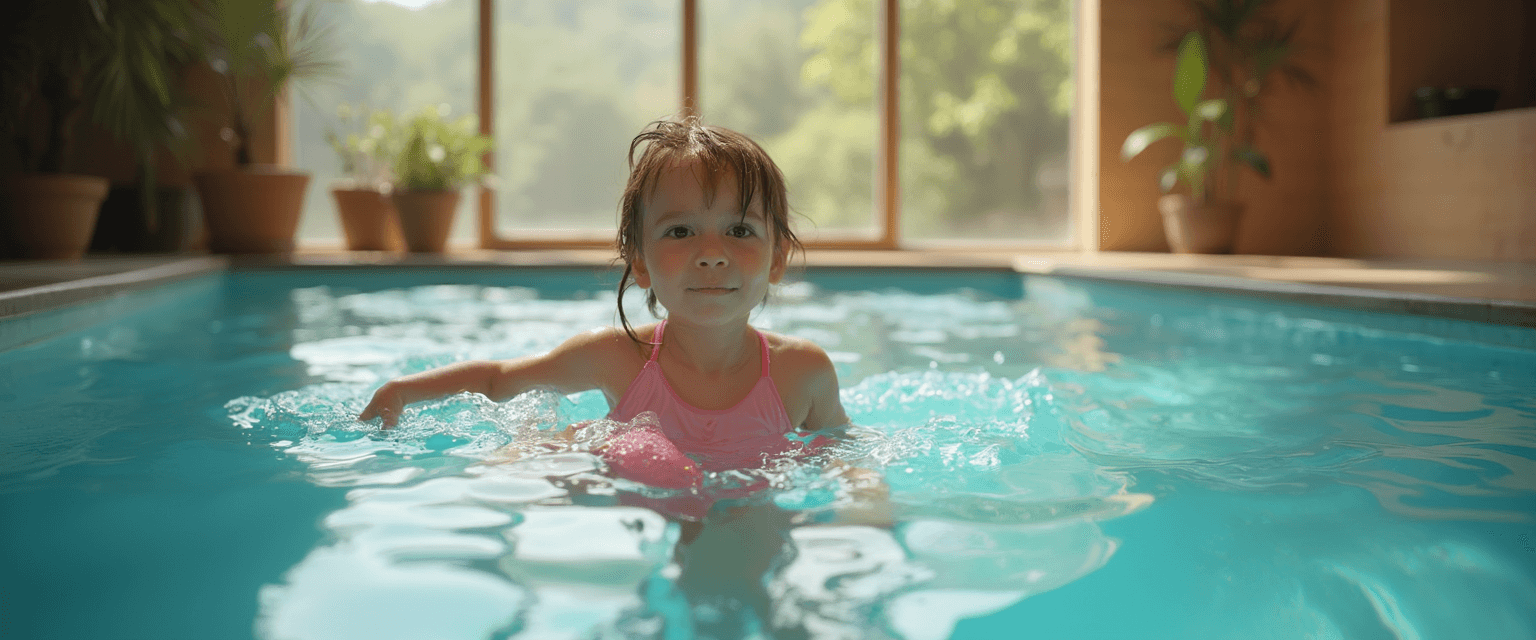
Zwemlesmaatje is an independent app with which you can track, assess, and celebrate swimming progress — whether you are a parent, adult swimmer, or instructor. You are not dependent on the swimming school but keep control yourself.
For parents, the app offers a clear learning path of 7 levels (from Red to Gold) with 86 exercises. You assess each exercise with a simple scoring system (0 to 6) and receive a personal swimming certificate for each achieved level. This way, you can see at a glance where your child stands and what still needs work.
Adults who want to learn (better) swimming use Zwemlesmaatje discreetly and without group pressure. The app provides structure, divides the learning process into manageable steps, and helps overcome insecurity. You train at your own pace, whenever it suits you.
Swimming schools and instructors use Zwemlesmaatje completely free as a digital system for student administration, schedules, and progress. Parents see their child's development in real-time — without you having to do any work. A handy Marketing Toolbox also helps you create professional flyers, social media posts, and certificates.
Discover now how Zwemlesmaatje supports your swimming journey.
2. Early Signs of Dropout
Early signs of dropout in swimming lessons are important to recognize in time.
These signs often manifest as not following instructions, distracted behavior, and lack of progress.
In this chapter, we discuss these three points of attention to gain better insight into possible dropout.
Not following instructions
Not following instructions is a clear sign that a child is struggling with the lesson.
This can manifest as ignoring cues or repeatedly asking what should be done.
When a child does not listen well, it may be that they do not understand the lesson material or that their attention lapses.
It is important to detect this early so the instructor can adjust or provide extra explanation.
Distracted behavior and complaints
Distracted behavior is another sign that can predict dropout.
Children who often stare at other children or objects miss important instructions.
Additionally, complaints such as boredom or fatigue may indicate reduced engagement.
By recognizing these signs, parents and instructors can work together to find solutions to improve focus.
Little visible progress
Little visible progress can be an indication that a child is struggling with the swimming lesson.
If skills do not improve, this can cause frustration and reduce enthusiasm.
It is important to regularly monitor development and discuss it with the instructor.
This allows timely intervention and appropriate support.
3. Causes of Reduced Focus
In this chapter, we discuss three important causes of reduced focus during swimming lessons. We look at the influence of age and attention span, the role of fatigue and overstimulation, and how fear and insecurity can affect concentration. This provides insight into factors that can disrupt children's attention.Age and attention span
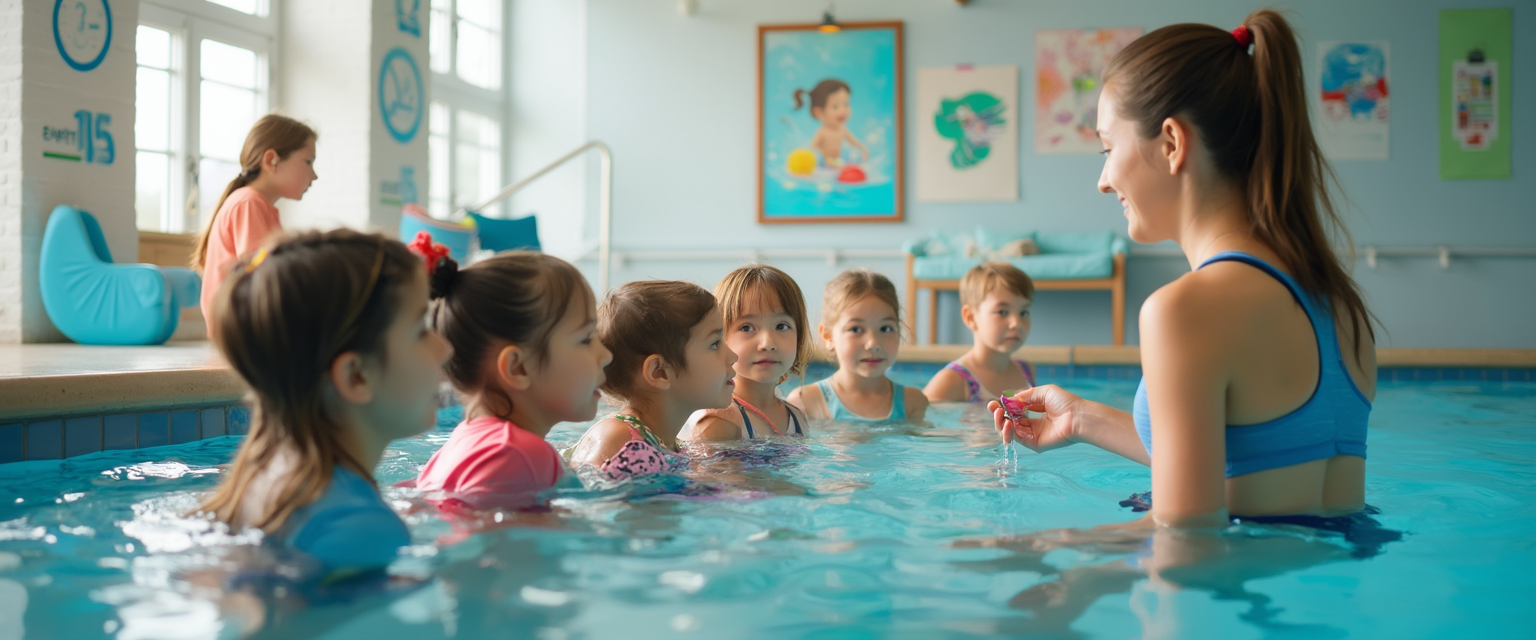
Children's attention span varies greatly with age. Young children between 3 and 6 years often can only concentrate on one task for a short time. This is normal and calls for short, varied exercises during the swimming lesson.
Older children usually have a longer focus, but they can also get distracted if the lesson is too long or offers too little variety. It is therefore important to adapt the lesson content to the child's age and developmental level.
A 5-year-old child, for example, may respond better to play forms than to long instructions. This helps maintain attention better and makes the learning process smoother.
Fatigue and overstimulation
Fatigue is a common cause of reduced focus during swimming lessons. Children who are tired can get distracted more quickly and listen less well. This can be due to a busy day, little sleep, or intensive activities before the lesson.
Additionally, overstimulation from the busy pool, many sounds, and movements can negatively affect concentration. Some children become overstimulated more quickly because of this.
It is therefore useful to ensure enough rest before the lesson and, if possible, choose a quiet lesson environment. This helps improve focus and supports the learning process.
Fear and insecurity
Fear and insecurity can greatly reduce children's attention during swimming lessons. Unfamiliarity with the water or previous negative experiences can cause hesitation. This often leads to distraction because the child is occupied with other thoughts.
A child who feels insecure asks more questions or seeks distraction to reduce tension. This can slow progress and reduce the joy of learning.
It is important to take these feelings seriously and guide the child calmly and positively. This builds confidence and improves focus during the lesson.
4. Strategies for Better Focus
In this chapter, we discuss practical ways to improve focus during swimming lessons.
We cover how good preparation helps, the importance of positive motivation and rewards, and the importance of clear communication with instructors.
These strategies support children to stay better focused during the lesson and thus make more progress.
Preparation for the lesson
Good preparation for the swimming lesson starts at home. Briefly discuss what the child can expect and which exercises will be covered.
Ensure the child is rested and has eaten enough so they can start the lesson energetically.
Also, bringing the right swimming gear prevents unnecessary distraction during the lesson.
By taking these steps, the child feels more confident and can better concentrate on the instructions.
Positive motivation and rewards
Positive motivation plays an important role in maintaining attention. Reward desired behavior with compliments or small rewards.
This can be, for example, a sticker or extra playtime after the lesson.
It is important that the reward matches what the child values and that it is applied consistently.
This keeps the child motivated and makes learning to swim enjoyable.
Communication with instructors
Open communication with the swimming teacher helps improve the child's focus. Regularly discuss how things are going and what points of attention there are.
Instructors can thus better respond to the child's needs and provide extra support where necessary.
Parents and instructors can also make agreements about practice moments outside the lesson.
This cooperation ensures a consistent approach and strengthens the learning experience.
5. Approach for Children with Special Needs
For children with special needs, a tailored approach in swimming lessons is important. Small groups, visual aids, and collaboration with specialists can support the learning process. In this chapter, we discuss practical ways to better guide these children.
Small groups and individual attention
Small groups offer more calm and overview for children who need extra attention. This allows the instructor to better respond to individual needs and pace. This prevents children from feeling overwhelmed by too many stimuli. Each child thus gets the chance to make progress in their own way.
Individual attention also helps build confidence. For example, by giving personal feedback or adapting exercises. This contributes to a positive experience during the swimming lesson. Small groups are therefore an effective way to accommodate special needs.
Use of visual aids
Visual aids can clarify instructions and provide structure. Think of pictograms, step-by-step plans, or color codes indicating the order of exercises. This makes it easier for children to understand what is expected of them. Especially for children with autism or ADHD, this can improve concentration.
With visual support, the lesson becomes more predictable and clear. This reduces uncertainty and helps children work independently. The use of these aids can be easily integrated into the lesson routine. This makes learning more accessible and less burdensome.
Collaboration with specialists
Involving specialists such as occupational therapists or behavioral experts can provide valuable insights. They can advise on appropriate adjustments and support. This ensures a tailored approach that matches the child's specific needs. Regular coordination between instructor, parents, and specialist is important here.
Specialists can also help develop a structured lesson plan. This makes the learning process clearer and more effective. Through this collaboration, the child gets the best chance to feel safe and comfortable during swimming lessons. This prevents dropout and increases the joy of swimming.

Summary
Summary of Swimming Lessons with Attention to Special Needs and Focus
For children with special needs, a tailored swimming lesson approach is important. Small groups and personal attention help better align the learning process with the child.
Good preparation at home supports focus during swimming lessons. This includes discussing the lesson, ensuring enough energy, and bringing the right swimming gear.
Why a digital tracking system helps
A digital tracking system makes it possible to accurately monitor the swimming lesson progress of each child. It provides insight into individual needs and helps instructors adjust in time.
With a digital system, signs of reduced focus or dropout can be quickly recognized. This contributes to a safe and effective swimming lesson environment.
Dear reader, in this blog post we have discussed the early signs of dropout in swimming lessons.
We would love to hear if you have experience recognizing these signs. Feel free to leave a comment below this article.
You can try Zwemlesmaatje for free via zwemlesmaatje.com. We hope this information helps you further.

Bob van Soest
As an expert in operating sports facilities (such as swimming pools) and developer of, among others, Zwemlesmaatje.com, I am passionately committed to making swimming lessons simpler, more fun and more insightful for parents, swimming instructors and everyone who wants to learn to swim.
Frequently Asked Questions
Related articles
Discover Zwemlesmaatje
The all-in-one app for swimming lesson progress. For parents, swim schools, and adult swimmers.