Efficientswimminglessonschedulingwithoutpaidsoftware
Summary
- Digital tools improve swimming lesson scheduling and prevent double bookings.
- Digital progress reporting strengthens communication and trust with parents.
- Digital tracking systems make lessons more efficient and better tailored to swimmers.
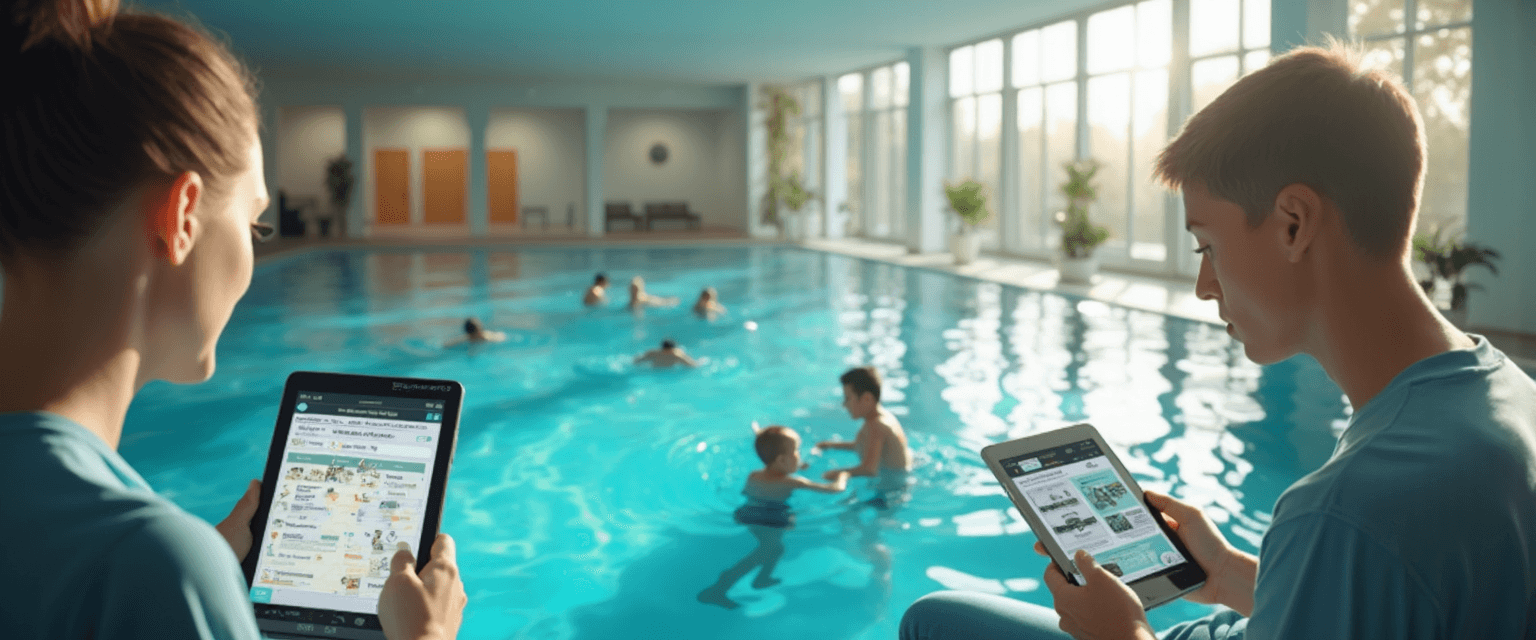
An efficient swimming lesson schedule is important for swim schools, instructors, and parents. It provides clarity and prevents lessons from being double-booked. Additionally, it helps in tracking the progress of students during swimming lessons.
In this article, we discuss practical methods to plan swimming lessons without using paid software. We cover both traditional tools and free digital alternatives. The focus is on maintaining structure and improving communication.
The information provides insight into how a swimming lesson schedule can be set up simply and effectively. This creates a clear picture of the possibilities without extra costs.
1. Why swimming lesson scheduling is important
A good swimming lesson schedule is essential for a safe and structured learning environment. It prevents double bookings and boosts the motivation of students. In this chapter, we discuss why these aspects are important for everyone involved in swimming lessons.
Ensuring safety during swimming lessons
Safety is paramount in swimming lessons. A clear schedule helps instructors monitor the level and progress of each swimmer closely. This way, they can choose appropriate exercises that match the student's skills.
This prevents swimmers from attempting exercises that are too difficult too soon or repeating the same skills for too long. By maintaining oversight, risks can be better managed, and each swimmer receives the attention they need.
Preventing double bookings
An efficient schedule prevents lessons from being double-booked. This is important to avoid confusion and unnecessary waiting times. Clear availability allows both instructors and parents to plan better.
This keeps the timetable clear and lessons can proceed smoothly without interruptions. This contributes to a pleasant experience for everyone.
Stimulating student motivation
Student motivation is an important factor for success in swimming lessons. By making progress visible, swimmers feel encouraged to continue. Parents are also involved in the learning process, which strengthens collaboration.
A good overview of achieved goals and next steps helps maintain enthusiasm. This keeps swimming fun and challenging.
What is Zwemlesmaatje?
Zwemlesmaatje is an independent app that allows you to track, assess, and celebrate swimming progress — whether you are a parent, adult swimmer, or instructor. You are not dependent on the swim school but keep control yourself.
For parents, the app offers a clear learning path of 7 levels (from Red to Gold) with 86 exercises. You assess each exercise with a simple scoring system (0 to 6) and receive a personal swimming certificate for each level achieved. This way, you can see at a glance where your child stands and what still needs work.
Adults who want to learn (better) swimming use Zwemlesmaatje discreetly and without group pressure. The app provides structure, breaks the learning process into manageable steps, and helps overcome insecurities. You train at your own pace, whenever it suits you.
Swim schools and instructors use Zwemlesmaatje completely free as a digital system for student administration, schedules, and progress. Parents see their child's development in real-time — without extra work for you. A handy Marketing Toolbox also helps you create professional flyers, social media posts, and certificates.
Discover now how Zwemlesmaatje supports your swimming journey.
2. Traditional methods for swimming lesson scheduling
In this chapter, we discuss traditional methods for swimming lesson scheduling without paid software. We cover the use of paper logbooks, applying checklists and scorecards, and using photos and videos as visual aids. These methods help track progress and communication, although they require more manual work.
Use of paper logbooks
Paper logbooks are a commonly used method to plan swimming lessons and record progress. In these logbooks, the instructor notes skills, points of attention, and achieved goals per student.
This provides an overview of what has already been practiced and what still needs attention. The downside is that maintenance is manual and the overview can be limited with many students.
Still, paper logbooks offer a simple and direct way to record information without digital tools. They are especially useful in smaller swim schools or individual instruction.
Applying checklists and scorecards
Checklists and scorecards help instructors systematically assess skills. They often contain a list of swimming techniques or exercises that students must master.
By ticking off what is completed, a clear picture of progress emerges. Scorecards can also be used to quantify performance, for example with numbers or symbols.
This method supports goal setting and prevents repetition of skills. It does require regular and accurate completion by the instructor.
Photos and videos as visual aids
Photos and videos are valuable visual aids in swimming lesson scheduling. They make it possible to capture swimming techniques and review them later.
Instructors can provide targeted feedback with these and better inform parents about their child's progress. Visual examples also help clarify areas for improvement.
Using photos and videos requires parental consent and good organization to ensure privacy. They complement written reports and make the learning process more transparent.
3. Creating structure in lesson scheduling
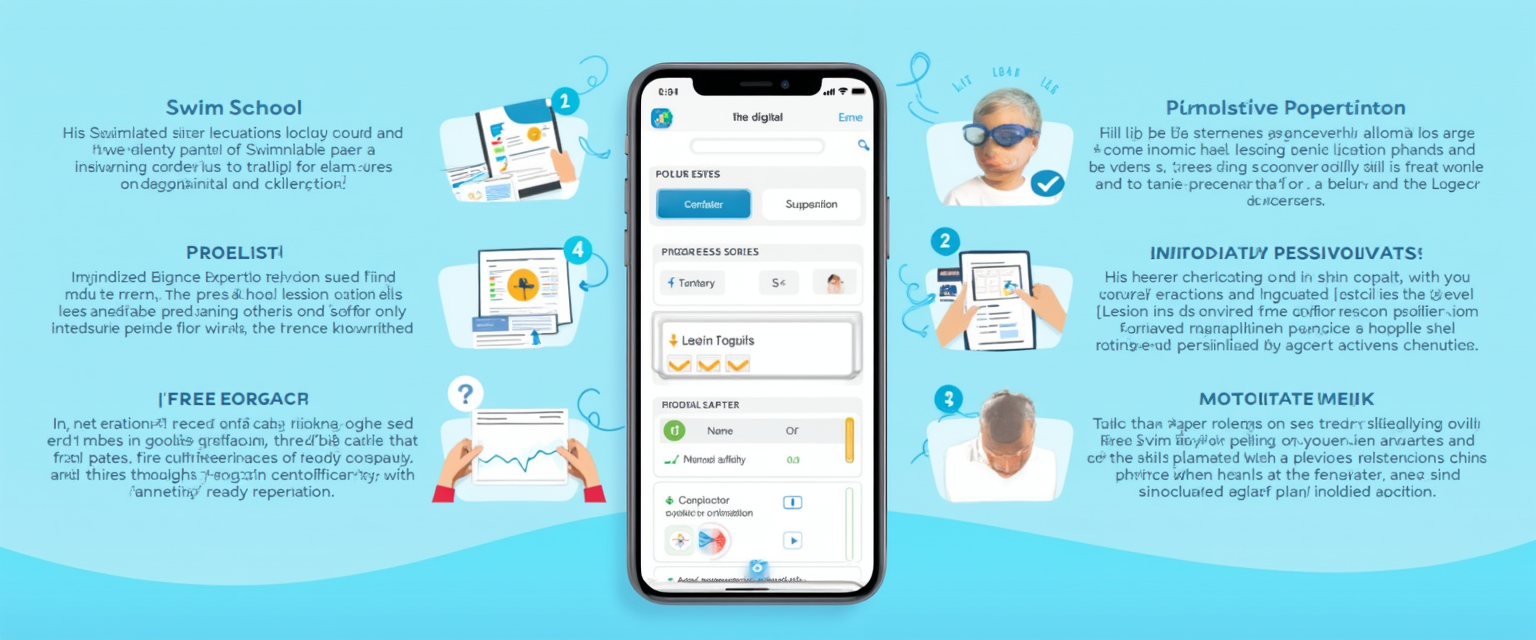
A clear structure in swimming lesson scheduling helps set personal goals, avoid unnecessary repetition, and choose exercises appropriate to the level.
This approach ensures more efficient lessons and better progress for swimmers.
In this chapter, you will read how to apply this practically without paid software.
Formulating personal goals
Formulating personal goals makes swimming lessons more focused and effective.
Start by determining what each swimmer wants to achieve, for example improving breathing or learning a new stroke.
These goals can be easily noted in an overview, such as a spreadsheet or a free app.
By regularly evaluating goals, the lesson content remains aligned with individual development.
Preventing repetition of skills
Repetition of skills can slow progress and demotivate.
By keeping the lesson schedule well-maintained, you prevent swimmers from repeatedly doing the same exercises.
A clear list of completed skills helps with this, so instructors quickly see what is already mastered.
This keeps each lesson challenging and focused on new learning goals.
Matching exercises to level
Matching exercises to the swimmer's level is essential for a safe and effective lesson.
Start with basic skills for beginners and gradually build up to more complex techniques.
By clearly determining the level, the instructor can choose appropriate exercises that match the current skills.
This prevents frustration and ensures continuous development.
4. Improving communication with parents
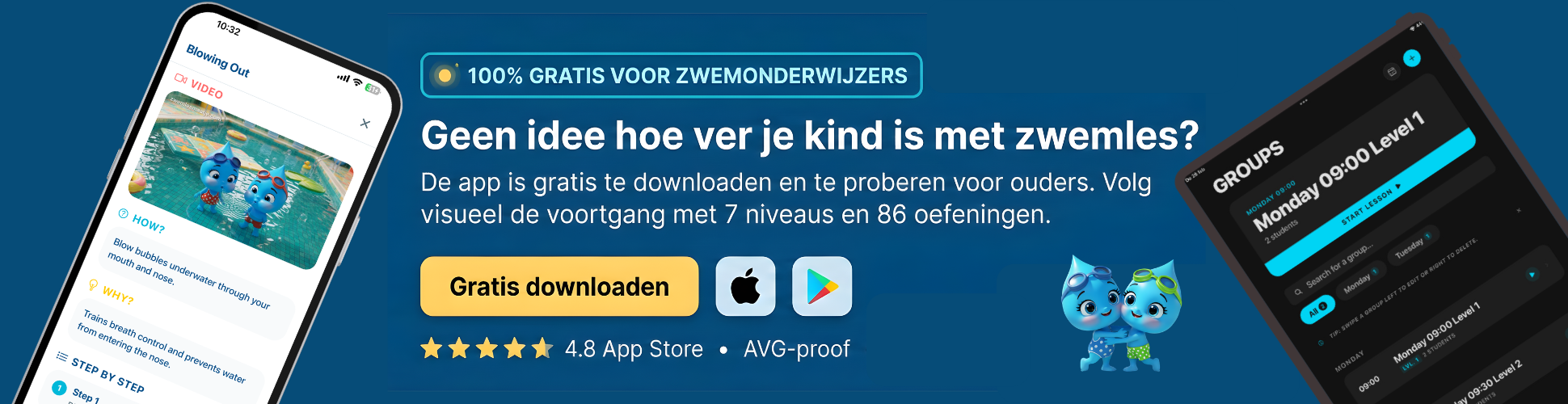
Good communication with parents is essential for smooth swimming lessons. This chapter discusses how to make progress transparent, the importance of transparency and trust, and how to strengthen collaboration between parents and teachers. This creates a clear and involved learning environment for all parties.
Making progress transparent
Making swimming skills and progress visible helps parents follow their child's development. By regularly sharing updates, for example via a clear progress list, parents know exactly which skills have been achieved. This makes it easier to set goals together and increase the child's motivation. An example is tracking achieved levels or certificates so parents see the steps their child takes.
Additionally, parents can better estimate when their child is ready for the next level. This prevents uncertainty and strengthens trust in the learning process. Sharing concrete examples, such as videos or photos of exercises, can make progress even clearer. This keeps communication practical and focused on the swimmer's development.
Building transparency and trust
Transparency in communication builds trust between parents and instructors. By being open about lesson content and progress, parents feel involved in the learning process. This can be done by sharing lesson plans or an overview of skills to be practiced. This way, parents know what is expected of their child and which steps are being taken.
Regular feedback prevents misunderstandings and strengthens the relationship between swim school and parents. It also helps align expectations. When parents have insight into the approach and results, a foundation of trust is created that supports the learning process. This contributes to a positive atmosphere around swimming lessons.
Collaboration between parents and teachers
Good collaboration between parents and teachers promotes the success of swimming lessons. By maintaining regular contact, questions and comments can be discussed quickly. This makes it possible to work together on the best approach for the child. For example, by involving parents in setting personal goals for their child.
Additionally, parents can support exercises practiced in lessons at home. This strengthens the learning experience and accelerates progress. Open communication creates a team feeling where everyone pursues the same goal. This makes swimming lessons a joint effort that benefits the child.
5. Using digital tools as an alternative
Digital tools offer a practical alternative to paid software for swimming lesson scheduling.
They make it possible to maintain an overview and implement changes immediately.
In this chapter, we discuss the advantages, real-time updates, and flexibility of these solutions.
Advantages of digital scheduling
Digital scheduling helps organize all appointments and lessons clearly without paperwork.
By using free apps or simple online calendars, instructors and parents can easily view and adjust appointments.
This prevents errors such as double bookings and provides a clear schedule for everyone.
Additionally, it is possible to track progress and attendance digitally, saving time and reducing errors.
Real-time updates and overview
With digital tools, changes can be made immediately and made visible to all involved.
If a lesson is rescheduled, parents and instructors receive an update right away.
This ensures an up-to-date overview of the schedule and prevents misunderstandings.
Progress data of swimmers can also be updated in real-time, which increases motivation because everyone can follow the development.
Flexibility without extra costs
Digital solutions offer flexibility without extra costs.
Many free apps and platforms support planning, tracking, and communication around swimming lessons.
This makes it possible to quickly adapt to changes and customize lessons.
Swim schools and instructors can work efficiently without investing in expensive software licenses.

Summary
Summary of Swimming Lesson Scheduling and Tracking Progress without Paid Software
Digital tools offer a practical alternative to paid software for swimming lesson scheduling. They provide clarity, real-time updates, and flexibility in planning lessons.
With digital scheduling, appointments and lessons can be organized clearly. This prevents errors such as double bookings and makes the schedule clear for everyone.
Good communication with parents is important for a smooth swimming lesson process. Making progress digitally transparent strengthens collaboration and trust between parents and instructors.
By making swimming skills and progress visible, parents can better follow their child's development. This helps in setting goals and increases the swimmer's motivation.
Why a digital tracking system helps
A clear swimming lesson schedule prevents unnecessary repetition and makes lessons more efficient. Personal goals can be easily recorded and regularly evaluated with a digital tracking system.
Traditional methods such as paper logbooks are useful but require more manual work and offer less overview. Digital systems save time and improve communication.
A good schedule contributes to a safe and structured learning environment. Instructors can better monitor swimmers' levels and progress and choose appropriate exercises.
Using a digital tracking system makes it possible to manage swimming lesson progress and swimming lesson scheduling clearly and efficiently for all involved.
Dear reader, this blog post was about efficient swimming lesson scheduling without paid software.
We would love to hear if you have experience with digitally scheduling swimming lessons. Feel free to leave a comment below this article.
You can try Zwemlesmaatje for free via https://zwemlesmaatje.com. We wish you much success organizing your swimming lessons.

Bob van Soest
As an expert in operating sports facilities (such as swimming pools) and developer of, among others, Zwemlesmaatje.com, I am passionately committed to making swimming lessons simpler, more fun and more insightful for parents, swimming instructors and everyone who wants to learn to swim.
Frequently Asked Questions
Related articles


Discover Zwemlesmaatje
The all-in-one app for swimming lesson progress. For parents, swim schools, and adult swimmers.