Improvingswimminglessonprogressatdifferentlevels
Summary
- Licensed swim schools ensure quality and issue official swimming diplomas.
- Digital tracking system monitors swimming lesson progress and supports individual guidance.
- Swimming lesson programs are accessible to everyone, with adapted methods and certificates.
Improving swimming lesson progress across different levels requires a structured approach. Swim schools and instructors need a clear overview of the learning steps and the development of each swimmer.
In this article, we discuss how a digital tracking system can contribute to monitoring swimming lesson progress. We cover the structure of swimming levels, the importance of water confidence and basic skills, and how these elements together support the swimming journey.
Additionally, we provide insight into adapting swimming lessons for various target groups and ensuring quality within swim schools. This creates a complete picture of improving swimming lesson planning and guidance.
1. Overview of swimming levels and goals
In this chapter, we discuss the structure of the Zwem-ABC diplomas and the differences between the levels. We also explain the goals pursued for each diploma. This gives you a clear overview of the swimming path for children from four years old.
Explanation of Zwem-ABC diplomas
The Zwem-ABC diplomas consist of three national swimming diplomas: A, B, and C. These are intended for children from approximately four years old. Each diploma builds on the skills of the previous level. Obtaining diploma C means that a child meets the National Swimming Safety Standard.
The diplomas focus on developing swimming skills and water safety. Only recognized swim schools with a license from the National Council for Swimming Safety may issue these diplomas. This guarantees the quality and authenticity of the swimming diplomas. This way, you can be sure that the diploma is reliable.
Differences between levels
The levels of the Zwem-ABC differ in difficulty and skills. Diploma A focuses on basic skills such as floating, swimming underwater, and simple swimming strokes. Diploma B expands this with longer distances and more swimming strokes. Diploma C focuses on mastering four swimming strokes and safely handling unexpected situations in deep water.
This structure ensures gradual development. Each level requires more independence and swimming technique. This way, children can build confidence in the water step by step. This makes the learning process clear and goal-oriented.
Goals per swimming diploma
Clear goals are set for each swimming diploma. Diploma A mainly focuses on water confidence and learning basic skills. Diploma B aims to improve swimming technique and increase endurance. Diploma C's goal is for children to swim safely in various situations and meet the national safety standard.
These goals help instructors to organize lessons purposefully. Parents gain insight into what their child is learning and when. Obtaining each diploma is an important milestone in the child's swimming development.
What is Zwemlesmaatje?
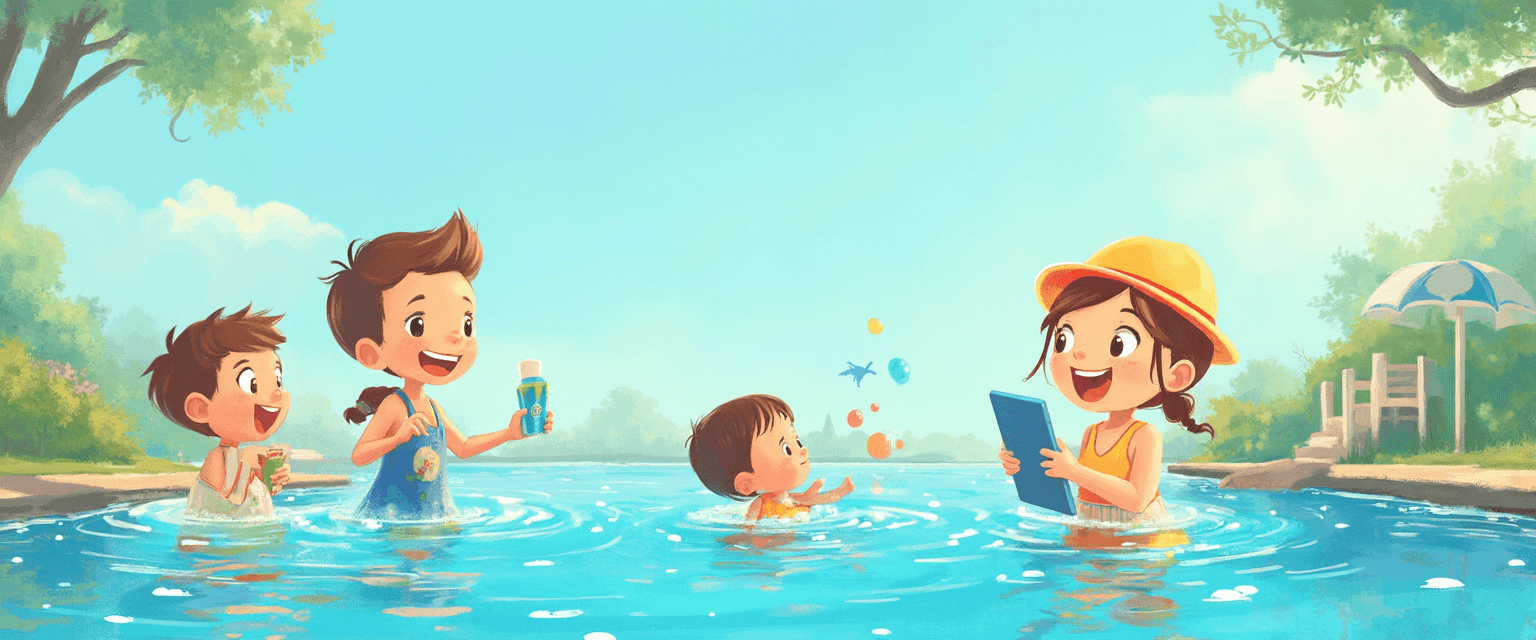
Zwemlesmaatje is an independent app that allows you to track, assess, and celebrate swimming progress — whether you are a parent, adult swimmer, or instructor. You are not dependent on the swim school but keep control yourself.
For parents, the app offers a clear learning path of 7 levels (from Red to Gold) with 86 exercises. You assess each exercise with a simple scoring system (0 to 6) and receive a personal swimming certificate for each achieved level. This way, you can see at a glance where your child stands and what still needs work.
Adults who want to learn (better) swimming use Zwemlesmaatje discreetly and without group pressure. The app provides structure, breaks the learning process into manageable steps, and helps overcome insecurity. You train at your own pace, whenever it suits you.
Swim schools and instructors use Zwemlesmaatje completely free as a digital system for student administration, schedules, and progress. Parents see their child's development in real time — without extra work for you. A handy Marketing Toolbox also helps you create professional flyers, social media posts, and certificates.
Discover now how Zwemlesmaatje supports your swimming journey.
2. Water confidence and basic skills
Water confidence and basic skills form the first step in the swimming lesson path.
This phase focuses on becoming water-safe, learning skills playfully, and increasing self-reliance.
In this chapter, you will read how these elements contribute to a good start for swimmers of different levels.
Meaning of becoming water-safe
Becoming water-safe means that children become familiar with water without immediately learning to swim.
Through exercises such as floating, going underwater, and safely entering and exiting, they get used to the water.
This phase is essential to reduce fear and make the child comfortable in the water.
An example is the game where children blow bubbles underwater, which practices breathing and relaxation.
Learning skills playfully
Learning skills playfully creates a natural and enjoyable learning environment.
Through games such as relays and water games, children develop swimming techniques without pressure.
This promotes motivation and engagement, especially among younger swimmers.
A practical tip is to vary exercises so that each child can grow at their own pace.
Importance of self-reliance
Self-reliance in the water is an important goal of the basic skills.
Children learn, for example, to safely enter and exit independently and to keep themselves afloat.
These skills increase confidence and safety during swimming.
By regularly practicing self-reliance, swimmers prepare for later, more complex swimming skills.
3. Structure of swimming lesson progress
In this chapter, we discuss how swimming lesson progress is tracked in a structured way. We cover the learning process in clear steps, the importance of observing and reporting, and the use of digital progress systems. This gives you insight into how different levels can be effectively guided.
Step-by-step learning process
The learning process in swimming lessons proceeds in clear steps that match the swimmer's level. First, water confidence and basic skills are worked on, after which swimming strokes and safety techniques are taught. Each step builds on the previous one, so swimmers gradually develop more confidence and skills.
This structured approach allows instructors to adjust the pace to the child's or adult's level. This prevents swimmers from progressing too quickly or too slowly, improving learning outcomes. An example is mastering floating and going underwater before learning swimming strokes.
Observing and reporting
Observing is essential to properly monitor swimmers' progress. Instructors pay attention to technical skills, self-reliance, and comfort in the water. These observations are regularly recorded in reports or digital systems.
Accurate reporting creates a clear picture of each swimmer's strengths and areas for improvement. This helps determine the next learning steps and provide targeted feedback to parents and swimmers. This keeps progress transparent and insightful.
Use of progress systems
Progress systems support keeping track of swimming lesson results clearly. Digital tools offer the possibility to register skills per level and visualize progress. This makes it easier to identify and guide differences between swimmers.
Additionally, parents can follow along via these systems and become involved in the learning process. For swim schools and instructors, these systems provide a structured way to plan lessons and generate reports. This makes the learning process clear and efficient for all involved.
4. Adapting to special target groups
In this chapter, we discuss how swimming lesson programs can be adapted for specific target groups. Attention is given to children with disabilities, adults and newcomers, and options for financial support. This gives you insight into practical adjustments and resources that make swimming lessons accessible to everyone.
Children with disabilities
Children with temporary or permanent disabilities can benefit from adapted swimming lessons that take their abilities into account. There are special National Swimming Certificates that offer an alternative to the standard Zwem-ABC, with flexible requirements and extra time to develop skills.
Pools and instructors adjust teaching methods, for example by offering smaller groups or extra guidance. The goal is to familiarize children with water at their own pace and help their swimming skills grow. This promotes water safety for everyone.
Adults and newcomers
Adults and newcomers taking swimming lessons often have different learning needs than children. The lessons focus more on building confidence and learning basic skills at a pace that suits them. Language barriers and cultural differences are taken into account to keep communication clear.
Practical examples include lessons with smaller groups or individual guidance. This helps achieve personal goals and increases enjoyment of swimming. This way, swimming becomes accessible to a broad audience.
Financial support options
Financial support can make swimming lessons possible for families with limited budgets. Municipalities often offer schemes or subsidies to keep swimming lessons affordable. Additionally, organizations such as 'Samen voor alle kinderen' and the 'Adult Fund Sports & Culture' provide assistance.
Parents can contact their municipality for information about available funds. This prevents financial barriers from hindering learning to swim. This contributes to an inclusive swimming lesson environment.
5. Ensuring quality and certification
In this chapter, we discuss how swim schools can ensure the quality of swimming lessons. We cover the importance of an official license, the authenticity of swimming diplomas, and the selection of qualified swimming instructors. This gives you insight into the requirements for reliable swimming lesson delivery.
License from the National Council for Swimming Safety
A license from the National Council for Swimming Safety is essential for swim schools that want to issue official swimming diplomas. This license confirms that the swim school meets national quality requirements and teaching methods. This ensures a structured and safe swimming lesson program. The process to obtain this license includes an assessment of lesson quality and instructor skills.
Regular inspections ensure that the swim school continues to meet the standards. This gives parents and students confidence in the swimming lessons offered. Without this license, swim schools may not issue official National Swimming Diplomas.
Authentic swimming diplomas
Authentic swimming diplomas contain specific security features to prevent forgery. Only swim schools with a valid license may issue these diplomas. This guarantees that the diploma represents a recognized level of swimming skill and water safety. For parents, this is a reliable confirmation of their child's swimming abilities.
The diplomas are part of the Zwem-ABC, which consists of three levels: A, B, and C. Obtaining the C diploma means that a child meets the national swimming safety standard. This ensures a nationally uniform standard.
Selection of swimming instructors
The quality of swimming lessons strongly depends on the instructors. Swimming instructors are selected based on education, experience, and pedagogical skills. A good instructor can adapt the learning process to different levels and needs of students. This contributes to an effective and safe swimming lesson environment.
Additionally, instructors often follow refresher courses to stay up-to-date with teaching methods and safety requirements. Swim schools with qualified instructors thus provide a reliable foundation for obtaining swimming diplomas. This strengthens the confidence of parents and students in swimming education.

Summary
Summary of Swimming Lesson Quality and Progress Tracking with a Digital Tracking System
Swim schools ensure the quality of swimming lessons with an official license from the National Council for Swimming Safety. This license confirms that the swim school meets national requirements and only then may official swimming diplomas be issued.
Swimming lesson programs can be adapted for children with disabilities, adults, and newcomers. Special certificates and adapted teaching methods ensure accessible swimming lessons for everyone.
Swimming lesson progress is tracked in a structured way in clear steps, from water confidence to swimming strokes and safety techniques. A digital tracking system helps instructors to properly monitor the pace and level of each swimmer.
Water confidence and basic skills form the first step in the swimming lesson path. Exercises such as floating and going underwater familiarize children with water and increase their self-reliance.
The Zwem-ABC diplomas consist of three levels: A, B, and C, intended for children from four years old. Each diploma builds on the previous one, and obtaining diploma C means the child meets the National Swimming Safety Standard.
Why a digital tracking system helps
A digital tracking system provides an overview of swimming lesson progress and makes it easy to record notes and observations. This supports structured guidance of swimmers at every level.
The system helps plan swimming lessons and adjust the pace to individual needs. This way, instructors and parents gain better insight into the development and learning process of the swimmer.
Dear reader, in this blog post we discussed improving swimming lesson progress at different levels.
We would love to hear if you have experience with following swimming lessons at different levels. Feel free to leave a comment below this article.
You can try Zwemlesmaatje for free via zwemlesmaatje.com. We wish you much success in improving swimming lesson progress.

Bob van Soest
As an expert in operating sports facilities (such as swimming pools) and developer of, among others, Zwemlesmaatje.com, I am passionately committed to making swimming lessons simpler, more fun and more insightful for parents, swimming instructors and everyone who wants to learn to swim.
Frequently Asked Questions
Related articles

Discover Zwemlesmaatje
The all-in-one app for swimming lesson progress. For parents, swim schools, and adult swimmers.