SwimLessonPlanningforLossofMotivationinChildren
Summary
- Positive experiences and compliments increase motivation and self-confidence in swimming lessons.
- Good collaboration and communication between parents and instructors improve alignment with the child.
- Digital tracking system supports progress, goals, and adjusted lesson planning for more motivation.
Loss of motivation in children during swimming lessons calls for a thoughtful approach to swim lesson planning. For parents, instructors, and swim schools, it is important to gain insight into the causes and signs of decreased motivation.
In this article, we discuss how a swim lesson plan can be adjusted to support children in a calm and positive way. We cover practical methods such as creating a safe lesson environment, the importance of collaboration between parents and instructors, and encouraging fun in the water.
This information helps tailor swimming lessons to the child's needs, so that confidence and motivation can gradually grow.
1. Understanding Loss of Motivation in Children
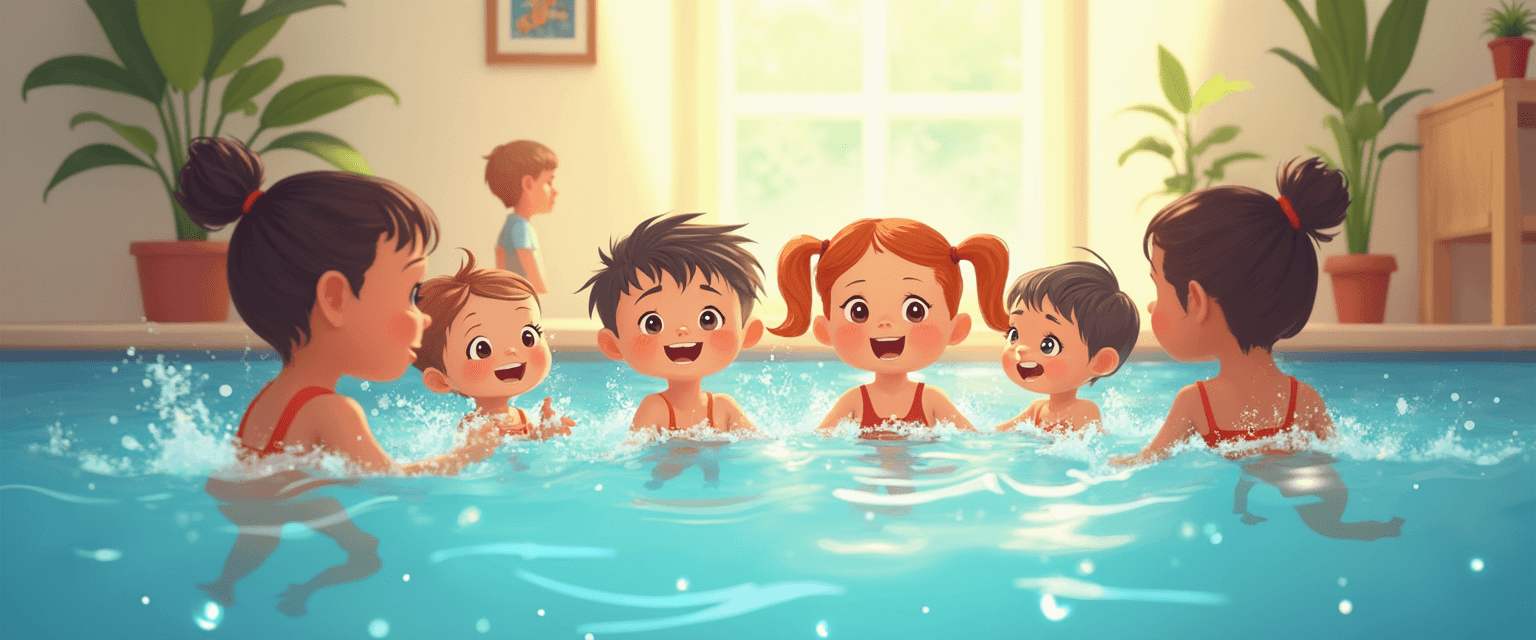
Loss of motivation in children during swimming lessons can have various causes. Understanding these causes helps to better respond to the child's behavior. Additionally, it is important to recognize signs of motivation loss in time and understand the emotional impact.
Common Causes of Loss of Motivation
Loss of motivation in children often arises from factors such as insecurity, fatigue, or repetition of the same exercises. Busy daily schedules and group dynamics can also have an influence. Sometimes children experience tension due to unfamiliar situations or the feeling of not making progress. Recognizing these causes helps to better tailor the swimming lesson to the child.
By paying attention to these causes, parents and instructors can work together to find solutions. For example, by incorporating rest moments or varying the lesson content. This keeps learning attractive and suitable for the child.
Emotional Impact on Motivation
Emotions play a major role in children's motivation during swimming lessons. Positive experiences strengthen self-confidence and willingness to practice. Negative feelings such as frustration or fear can lead to less concentration and motivation. Therefore, it is important to take emotions seriously and provide support.
A child who feels understood will be more open to new challenges. Naming feelings and offering reassurance helps maintain emotional balance. This creates a better learning environment.
Recognizing Signs During Swimming Lessons
Signs of loss of motivation include reluctance, decreased attention, and fatigue during the lesson. A child may also refuse to participate more often or become easily distracted. Sometimes this manifests as irritability or avoiding certain exercises. Recognizing these signs in time is essential to respond appropriately.
Instructors and parents can observe together and discuss what the child needs. By taking these signals seriously, the swim lesson plan can be adjusted. This prevents motivation loss from increasing and promotes enjoyment in swimming.
What is Zwemlesmaatje?
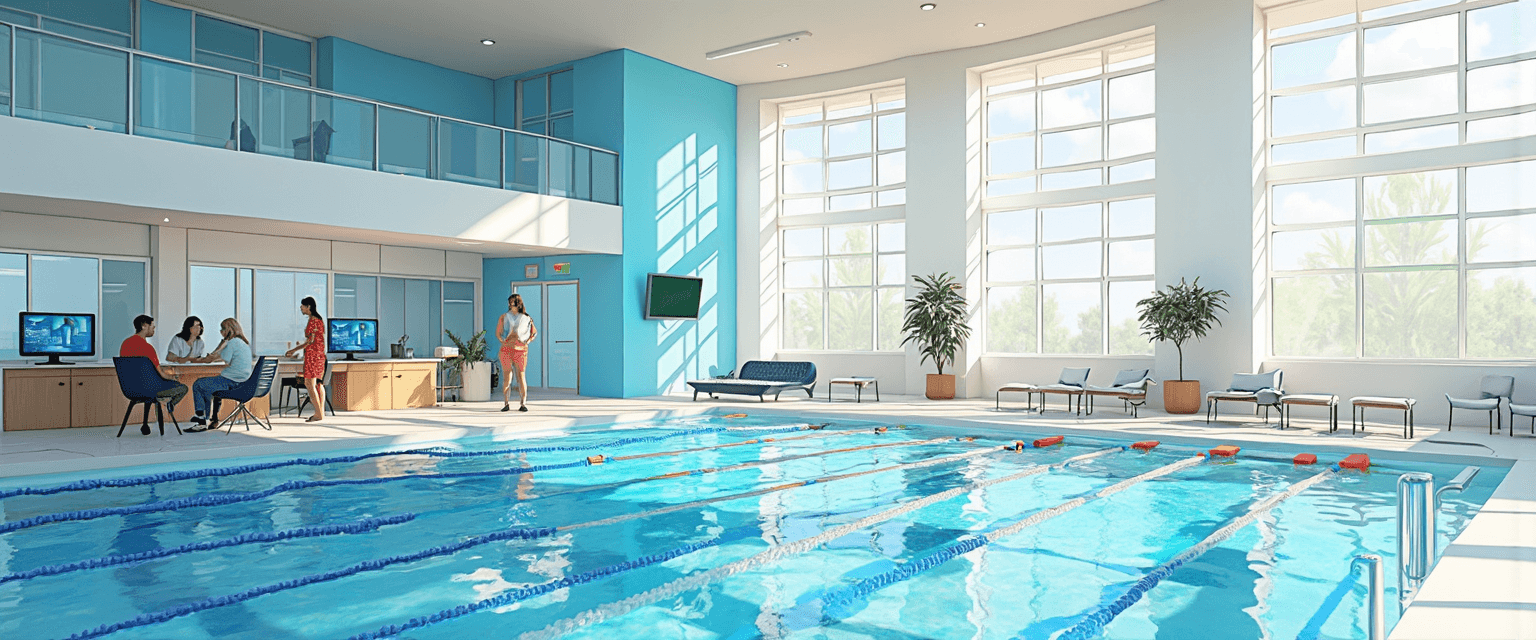
Zwemlesmaatje is an independent app that allows you to track, assess, and celebrate swimming progress — whether you are a parent, adult swimmer, or instructor. You are not dependent on the swim school but keep control yourself.
For parents, the app offers a clear learning path of 7 levels (from Red to Gold) with 86 exercises. You assess each exercise with a simple scoring system (0 to 6) and receive a personal swimming certificate for each achieved level. This way, you can see at a glance where your child stands and what still needs work.
Adults who want to learn (better) swimming use Zwemlesmaatje discreetly and without group pressure. The app provides structure, breaks the learning process into manageable steps, and helps overcome insecurity. You train at your own pace, whenever it suits you.
Swim schools and instructors use Zwemlesmaatje completely free as a digital system for student administration, schedules, and progress. Parents see their child's development in real time — without extra work for you. A handy Marketing Toolbox also helps you create professional flyers, social media posts, and certificates.
Discover now how Zwemlesmaatje supports your swimming journey.
2. Creating a Safe Lesson Environment
A safe lesson environment is essential to support children with loss of motivation. Small groups, calmness, and predictability reduce stimuli and increase confidence. Additionally, patience is required to recognize fears and handle them calmly.
Benefits of Small Groups
Small groups offer clear advantages for children struggling with motivation. In a small group, each child receives more personal attention from the instructor. This helps better respond to individual needs and insecurities.
There are also fewer distractions, allowing children to concentrate better. This contributes to a feeling of safety and increases willingness to participate. This creates an environment where children feel more comfortable and build confidence faster.
Providing Calm and Predictability
Calmness and predictability are important to give children confidence during swimming lessons. A fixed structure with clear agreements helps them know what to expect. This reduces uncertainty and makes it easier to concentrate.
An example is using fixed start and end rituals, such as a greeting or a short talk about the lesson. Also, consistently following the lesson program without unexpected changes contributes to a feeling of safety. This way, children can relax better and open up to new experiences.
Patiently Handling Fears
Patiently handling fears is crucial for children struggling with motivation. Fear can manifest as reluctance or avoidance of certain exercises. It is important to recognize these signals and give the child time to get used to it.
Instructors can offer small steps and encourage the child without pressure. For example, by first practicing together with the child at the side of the pool. This way, the child slowly builds confidence and feels supported in the learning process.
3. Stepwise Adjustment of Planning
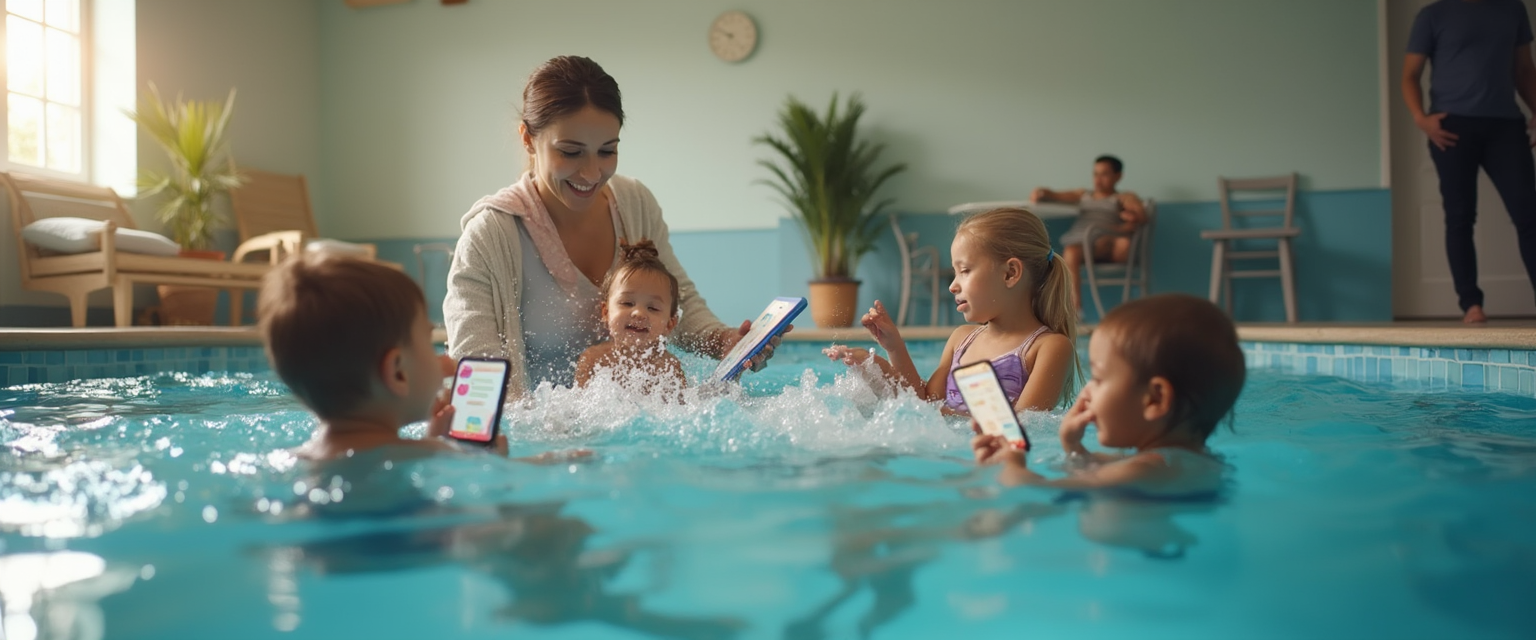
This chapter describes how to adjust the swim lesson plan in case of loss of motivation. We discuss the importance of water experiences at home, a slow build-up of water activities, and the use of flexible lesson times. This creates space for the child to develop confidence and enjoyment in the water at their own pace.
Starting with Water Experiences at Home
A good start is creating positive water experiences at home. This can be done by playing with water together, for example by letting water flow over the face or blowing bubbles in the bath.
These activities are low-threshold and give the child the chance to become familiar with water without pressure. Safety remains important, so always stay nearby during play.
Through these experiences, the child gradually builds a positive association with water. This helps reduce fear and resistance during swimming lessons.
Slow Build-up of Water Activities
After the initial water experiences, it is important to slowly build up the activities. Start with simple exercises such as floating or gently splashing.
Let the child decide how quickly to proceed, so confidence grows without pressure. This prevents the child from feeling overwhelmed.
Through this slow build-up, the child can get used to new movements and situations in the water. This creates a natural progression that matches emotional and physical readiness.
Flexible Lesson Times and Breaks
Flexibility in lesson times and breaks plays an important role in loss of motivation. Sometimes a child has a day when they feel less motivated or energetic.
By offering the possibility to reschedule lessons or take a break, pressure is reduced. This helps the child return with more pleasure and calmness.
Also, scheduling lessons at times when the child is rested can positively influence the learning process. This way, the planning better matches the child's rhythm and needs.
4. Collaboration Between Parents and Instructors
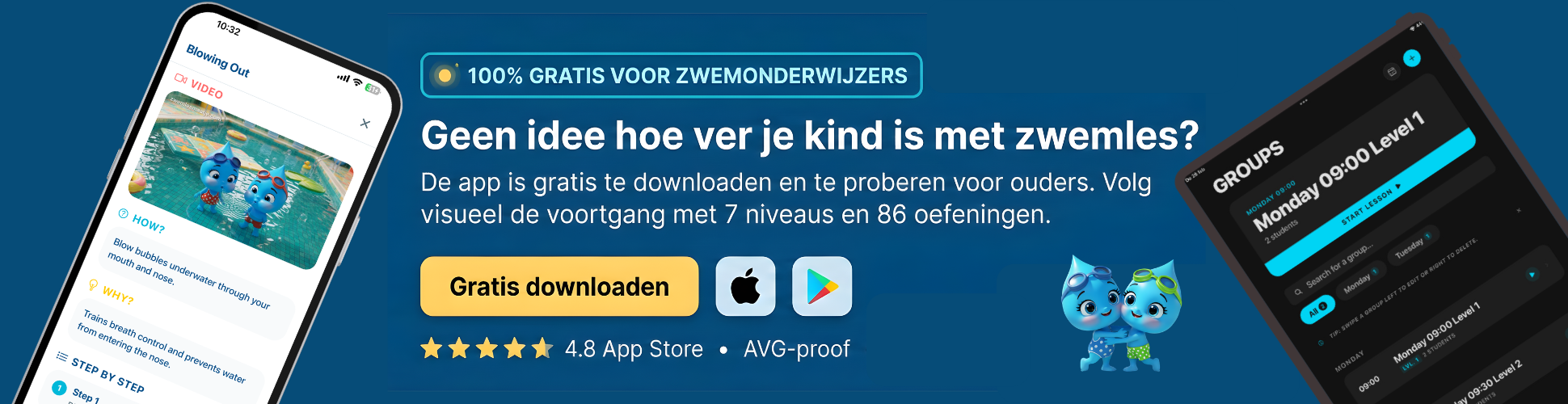
Good collaboration between parents and instructors is essential when children experience loss of motivation during swimming lessons.
In this section, we discuss the importance of open communication about emotions and progress, jointly setting goals, and using digital progress tracking.
This approach helps better tailor the swimming process to the child's needs.
Communication About Emotions and Progress
Open communication between parents and instructors about the child's emotions and progress is important.
By regularly sharing experiences and observations, a better picture emerges of what the child needs.
For example, a child who feels insecure can receive extra attention or the lesson content can be adjusted.
Discussing feelings prevents misunderstandings and strengthens trust among all involved.
Jointly Setting Goals
Jointly setting goals creates clear expectations and motivation.
Parents and instructors can together determine which skills the child wants to achieve in the short and long term.
These goals can be small and achievable, such as practicing floating or breathing techniques.
By working together on concrete goals, the child remains engaged and progress becomes visible.
Use of Progress Tracking
Using digital progress tracking offers practical benefits for parents and instructors.
With an app like Zwemlesmaatje, they can easily follow the child's development and adjust where necessary.
The app shows clear levels and exercises, allowing the child to also gain insight into their own progress.
This stimulates motivation and makes it possible to organize the swimming process tailored to the child.
5. Improving Motivation with Positive Experiences
Positive experiences play an important role in improving children's motivation during swimming lessons.
This chapter discusses how recognition, rewards, and playful exercises contribute to a positive learning environment.
This creates more fun and confidence in the water, which strengthens motivation.
Recognition of Effort and Successes
It is important to recognize children's effort during swimming lessons, even if they have not yet mastered all skills.
By regularly mentioning what goes well, children feel valued and encouraged to continue.
A compliment on perseverance or trying a new exercise can already mean a lot.
This positive attention helps children build confidence and encourages them to take on new challenges.
Reward Small Progress
Small progress deserves attention and can be rewarded with simple, concrete acknowledgments.
This can be a sticker, a certificate, or a compliment after completing an exercise.
These rewards make the learning process tangible and motivating for the child.
This keeps the child engaged and experiencing success, even with small steps.
Enrich with Playful Exercises
Playful exercises make swimming lessons more fun and create positive experiences in the water.
By using games, such as water fun with balls or simple races, pressure is reduced.
This helps children relax and stimulates their natural curiosity and joy in movement.
Playful variation in the lesson maintains attention and promotes self-confidence.

Summary
Summary of Improving Motivation in Swimming Lessons with a Digital Tracking System
Positive experiences during swimming lessons increase children's motivation. Recognition, rewards, and playful exercises create more fun and confidence in the water.
Naming effort and perseverance encourages children to continue. Compliments help build self-confidence and encourage new challenges.
Good collaboration between parents and instructors is important in case of loss of motivation. Open communication and jointly setting goals improve alignment with the child.
Sharing experiences and observations helps better adapt the swimming process. This way, a child who feels insecure can receive extra attention or the lesson content can be adjusted.
Why a Digital Tracking System Helps
A digital tracking system supports communication between parents and instructors. It makes swimming progress transparent and helps set realistic goals.
With a flexible lesson schedule and adjusted swim lesson planning, the child can build confidence at their own pace. Positive water experiences at home reinforce this process.
Small groups and a calm environment provide more personal attention. This increases children's confidence and motivation during swimming lessons.
Recognizing causes of loss of motivation helps find appropriate solutions. This keeps learning attractive and tailored to the child's needs.
Dear reader, this blog post was about swim lesson planning for loss of motivation in children.
We would love to hear if you have experience with this topic. You can leave a comment below this article.
You can try Zwemlesmaatje for free via zwemlesmaatje.com. We hope it can support you in planning swimming lessons.

Bob van Soest
As an expert in operating sports facilities (such as swimming pools) and developer of, among others, Zwemlesmaatje.com, I am passionately committed to making swimming lessons simpler, more fun and more insightful for parents, swimming instructors and everyone who wants to learn to swim.
Frequently Asked Questions
Related articles
Discover Zwemlesmaatje
The all-in-one app for swimming lesson progress. For parents, swim schools, and adult swimmers.